Monomer Foundation
Polyamide synthesis relies entirely on caprolactam for polymerization into nylon six fibre. Ring opening occurs under thermal influence with water present as a catalyst during bulk reactor processing. Industrial production requires high purity standards because minor impurities terminate polymer chains prematurely during extrusion.
Mills purchase this chemical intermediate in solid flake or liquid molten form depending on storage infrastructure. Monomer quality dictates final tenacity performance in continuous filament yarn and staple applications.
Polymer Conversion
Polymerization transforms the raw feedstock into a viscous melt suitable for spinneret extrusion. Molten streams pass through filtration packs before entering high pressure cooling chimneys where solidification takes place. Subsequent drawing aligns molecular chains axially to develop high tensile strength required for industrial textiles.
Filament bundles receive spin finish emulsions immediately after cooling to reduce friction during subsequent winding operations. Thermal treatment removes residual monomer fractions before commercial yarn packages leave the extrusion plant.
Extrusion Boundary
Spinning parameters establish maximum linear density limits for resulting filament structures. Excess heat inside the quench zone disrupts crystallization kinetics and causes irregular dyeing behavior downstream. Production technicians monitor melt flow index values continuously to prevent viscosity drift during continuous extrusion runs.
Finished yarn batches undergo quality control testing to verify elongation properties against strict buyer specifications. Defective lots fail commercial acceptance and undergo reprocessing within the chemical recovery circuit.
Fabric Yield
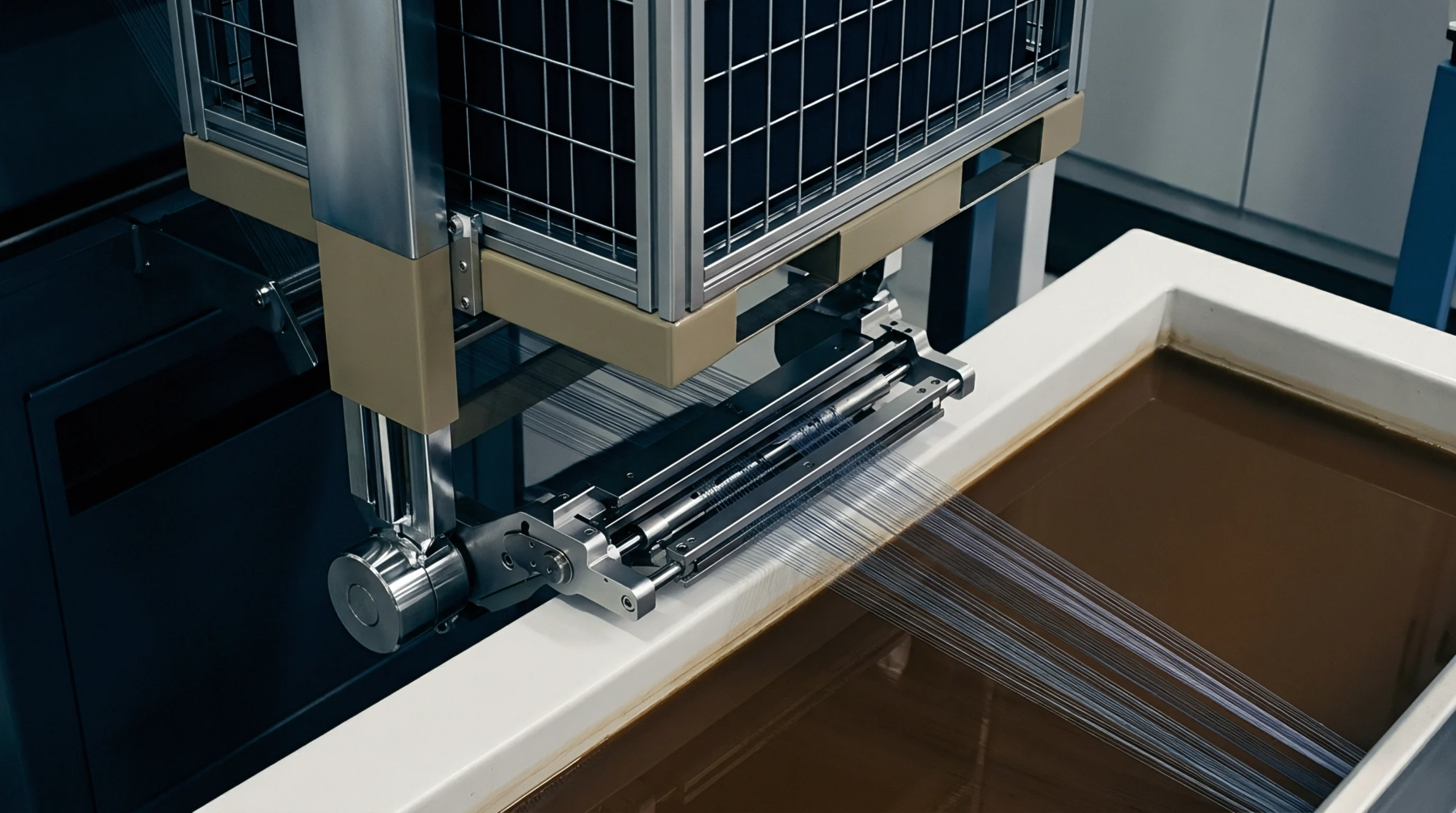
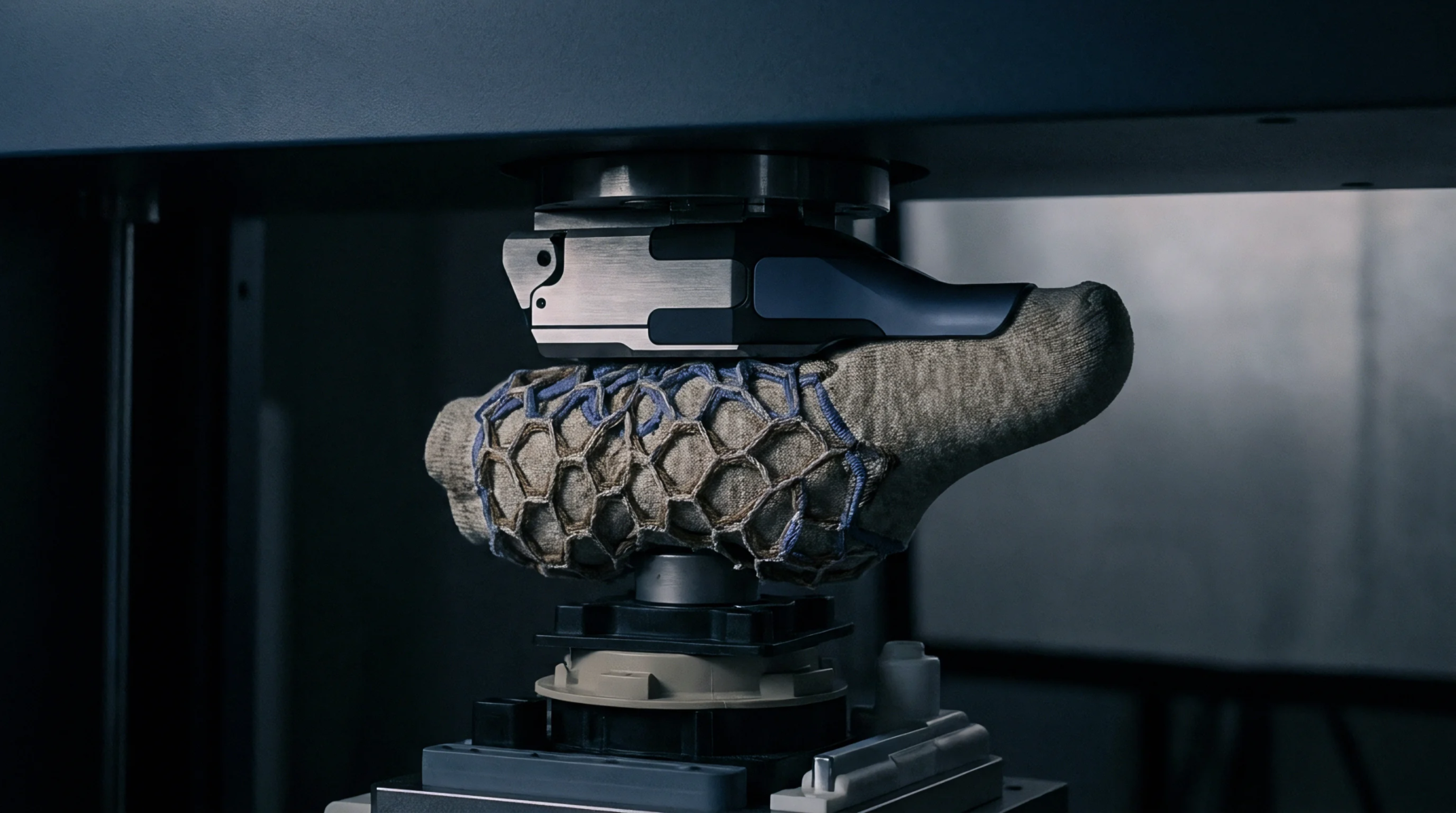
Fabric mills convert continuous filament yarns into woven or knitted apparel goods through standard textile machinery. Yarn tension must remain constant during warping and knitting to prevent uneven dye uptake in finished garments. Subsequent dyeing procedures expose the manufactured textile to elevated temperatures in aqueous dye baths.
Chemical affinity between the synthetic substrate and acid dyes depends directly on terminal amine group concentrations established during initial monomer conversion. Final fabric performance reflects total process control from chemical synthesis through finishing stages.