Short Fibre
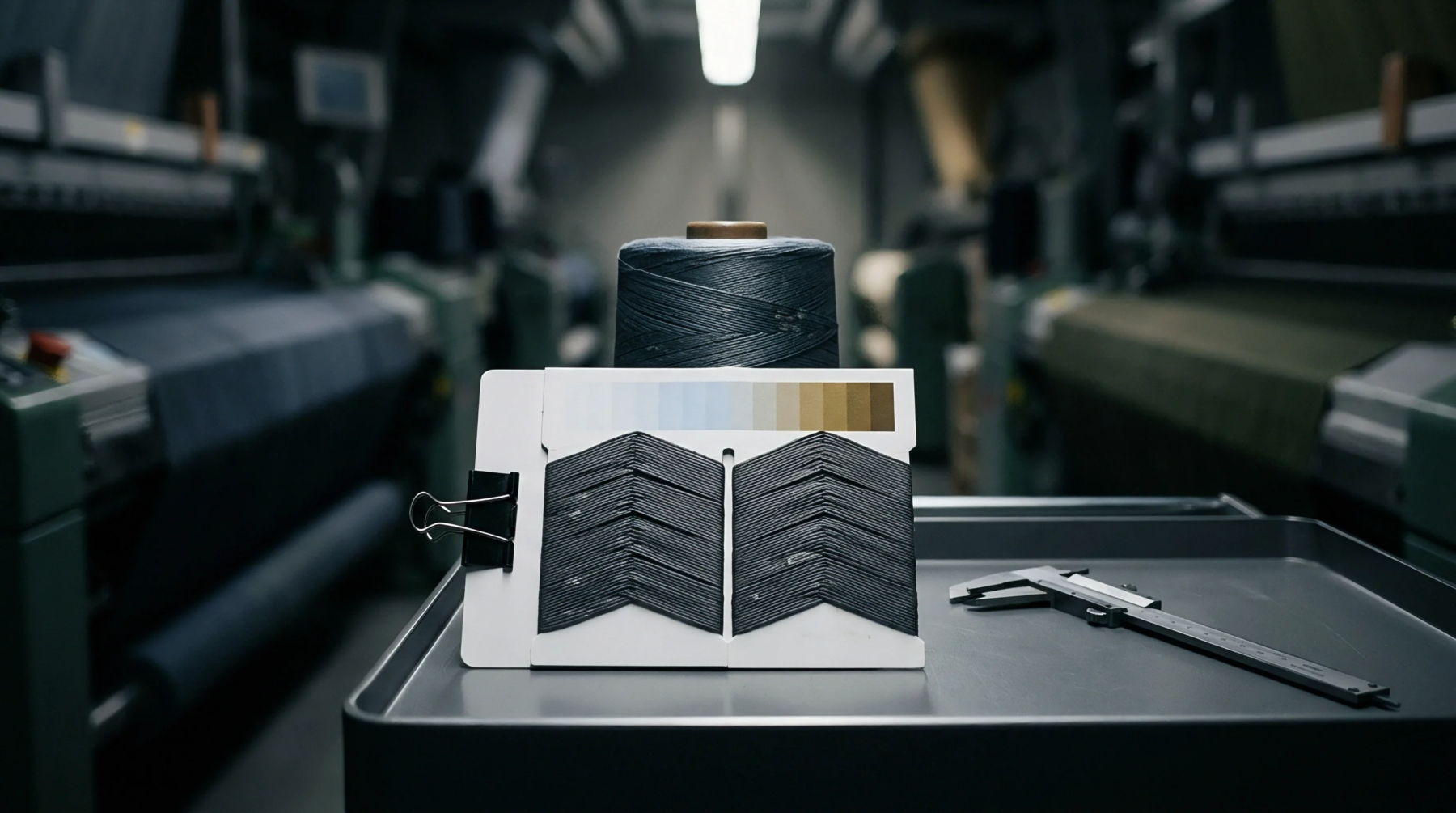
Waste streams produced during the mechanical alignment of textile fibres consist of short staples, vegetable matter and tangled knots removed by the combing action between the cylinder and flats. These card flat strips represent the main byproduct of the carding process in cotton or wool spinning. Removal occurs when the revolving flats pull entangled material away from the high speed cylinder to ensure yarn uniformity.
Secondary Value
Material extracted here retains significant value for use in rotor spinning or nonwoven applications despite its classification as waste. Because card flat strips contain a mix of usable fibre and impurities, mills often process them through secondary cleaning machines to recover technical grade material. The ratio of clean fibre to trash determines the market price for these leftovers in local exchange markets.
Extraction Control
Settings on the carding machine dictate the volume of waste by adjusting the gap between the wire clothing and the flat surfaces. Closer settings increase the volume of card flat strips which improves quality at the cost of higher raw material losses. Operators monitor this volume to manage the yield from every bale of raw stock.
Quality Threshold
Cleaning efficiency stays high when the extraction rate remains within strict technical limits established during trial runs. Regular weighing verifies that card flat strips do not exceed five percent of the total throughput during peak production hours. Consistency ensures that final yarn properties stay within client specifications.