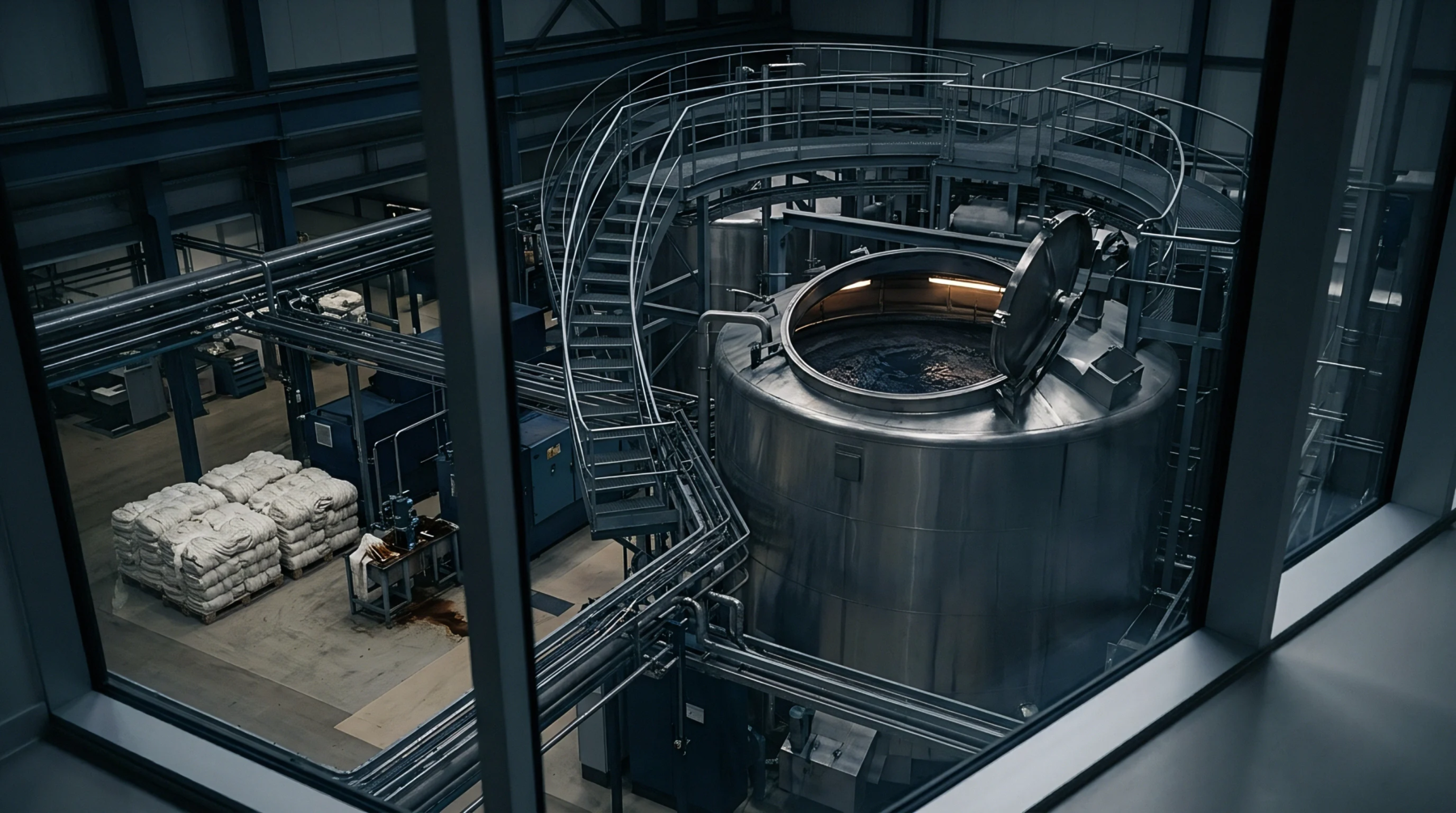
Calculating Reactive Dye Hydrolysis Rates in Jet Dyeing
Calculating reactive dye hydrolysis rates in jet dyeing requires tracking bath pH and absorbance over time to optimize alkali dosing and maximize color yield.
Nucleophilic site availability determines the number of deprotonated hydroxyl groups present on a cotton polymer chain during the alkaline fixation stage of the reactive dyeing process. These ionized groups are the specific locations where the reactive dye molecule forms a covalent bond with the cellulose. In a typical dye bath, cellulosate anion concentration is controlled by the addition of alkali, such as sodium carbonate or sodium hydroxide.
The ionization of the hydroxyl groups occurs when the pH of the liquor rises above a certain threshold. Without this ionization, the dye cannot bond to the fibre and will simply wash away after the process. The chemical state of the fibre is therefore just as important as the concentration of the dye itself.
Ionic equilibrium in the dye bath shifts as the hydroxyl ion concentration increases, leading to a higher proportion of deprotonated cellulose sites. This increase in cellulosate anion concentration directly accelerates the rate of fixation between the dye and the substrate. However, very high alkalinity also increases the rate of dye hydrolysis, where the colorant reacts with water instead of the fibre.
Finding the optimal pH involves a balance where the ionization of the cellulose is sufficient for bonding but not so high that it wastes dye through hydrolysis. Technical data sheets usually specify the exact pH range required for each dye class. Monitoring the bath ensures that the concentration stays within these bounds throughout the fixation cycle.
Chemical efficiency depends on maintaining a steady population of ionized sites on the fibre until the fixation is complete. A low cellulosate anion concentration results in poor colour yield and wasted dye, while an excessive amount leads to rapid, uneven fixation. When the alkali is added too quickly, the sudden jump in anion density causes the dye to bond instantly to the outer layers of the fabric.
This creates a ring-dyeing effect where the interior of the yarn remains white or pale. Gradual dosing of the alkali allows for a more controlled increase in the anion concentration, ensuring that the dye penetrates deep into the material before the bond is formed. This method produces a more level and solid appearance in the finished goods.
Production consistency relies on the precise control of the electrolyte and alkali levels in the dyeing vessel. Changes in the cellulosate anion concentration can occur if the water hardness is not managed or if the salt concentration fluctuates. Since the ionization of cellulose is sensitive to the total ionic strength of the solution, even minor errors in chemical weighing can alter the results.
Industrial sensors now allow for real-time monitoring of the bath conditions to prevent these deviations. If the anion density is kept constant across different batches, the shade repeatability improves. This control is especially important for dark shades where a high number of reactive sites is required to achieve the necessary depth.
Cellulosate anion concentration is the governing factor for the chemical reactivity of cotton textiles.
Calculating reactive dye hydrolysis rates in jet dyeing requires tracking bath pH and absorbance over time to optimize alkali dosing and maximize color yield.
Expertise is a utility, not a secret. sentiention™ publishes its working knowledge as open reference: intelligence layer covering the materials it sources, the markets it enters, and the reference that serves both.