Tariff Classification
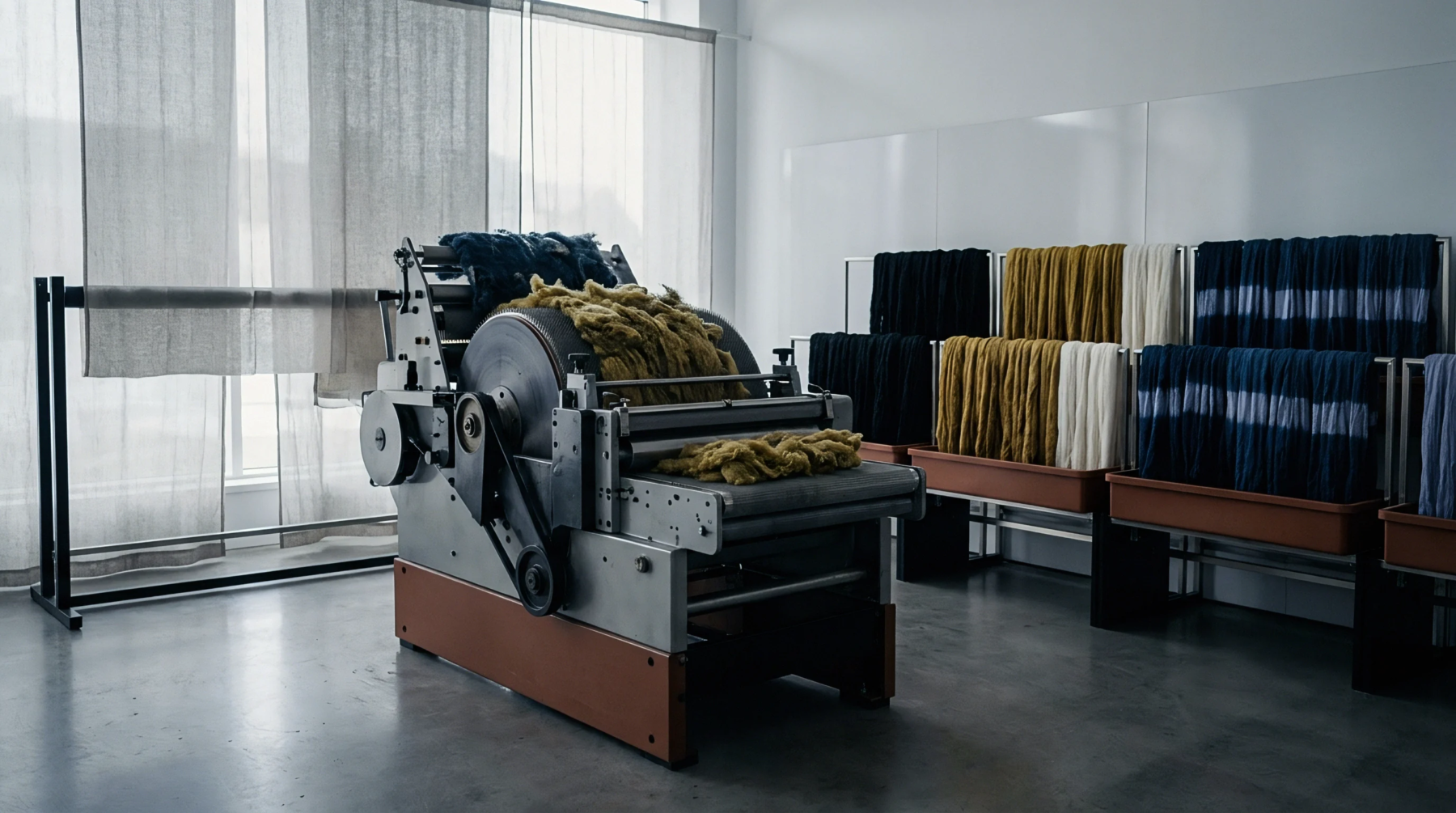
Customs nomenclature under the Harmonized Commodity Description and Coding System classifies animal wool, fine or coarse animal hair, horsehair yarn and woven fabrics under a dedicated regulatory division. Within this international trade framework, Chapter 51 establishes legal boundaries separating proteinaceous animal coats from silk, vegetable fibres and man-made filaments. The chapter covers these fibres from raw, greasy and carbonized states up through tops, spun yarns and finished woven piece goods.
Knitted fabrics, carpets and completed garments are excluded from this section and routed into downstream classifications.
Legal Scope
Classification divides raw fibre by species origin, enforcing clear tariff lines between sheep or lamb wool and defined fine animal hairs like alpaca, cashmere, camel or angora rabbit. Fine animal hairs classified under Chapter 51 command distinct subheadings because of their elevated global market valuation. Vegetable contaminants, grease extraction methods and mechanical preparation steps like combing shift raw commodities between successive four-digit headings.
Bleaching or dyeing raw stock does not remove the goods from their assigned intermediate categories.
Customs Verification
Port inspectors verify declarations against microscopic residue analyses and ash content tests to identify improper chemical treatment or false species labeling. Importers misclassifying fine cashmere under lower-duty coarse hair headings face commercial detention and regulatory penalties. Customs checkpoints enforce clean wool content yield tests on incoming raw grease wool to calculate specific duties based on bone-dry mass.
Incorrect dry yield assumptions distort duty assessments on multi-ton consignments.
Finishing Division
Woven textiles remain within this classification framework provided their primary composition retains animal hair dominance by total weight. Blended piece goods containing synthetic filaments require precise blend verification, because a shift of one percent can trigger different tariff treatments under competing chapters. When elastomeric yarns or man-made staples exceed specific trade thresholds, clearance under this schedule terminates.
Import clearance requires laboratory verification whenever mill invoices provide contradictory blend breakdowns.