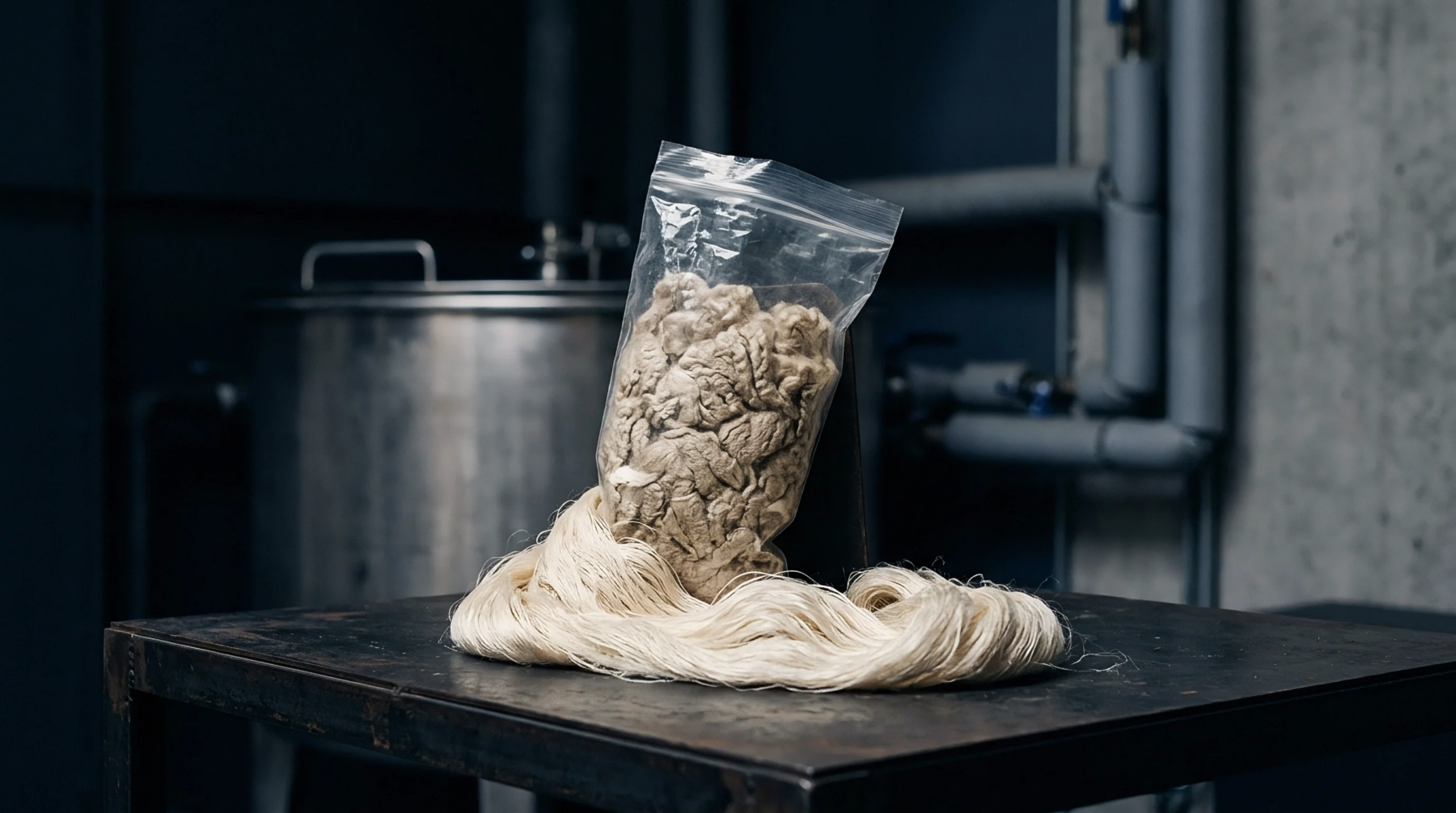
Solvent Extraction
Analytical testing protocols govern the proportion of specific constituent fibres blended within a yarn or fabric lot supplied by commercial mills. Chemical quantitative analysis determines the exact fibre composition percentage through selective chemical dissolution procedures performed in accredited textile laboratories. Mill contracts specify allowable tolerance thresholds for material blends such as cotton and polyester mixtures.
Laboratory technicians isolate individual component fractions by dissolving nonresistant fibres using targeted reagent solutions while leaving resistant fibres intact. Residual dry masses undergo weighing procedures on calibrated balances to calculate precise mass ratios. Discrepancies between stated commercial invoices and verified laboratory findings trigger contractual financial penalties or complete shipment rejections prior to garment manufacturing operations.
Reagent Selection
Specific chemical agents target individual polymer structures without degrading adjacent component materials within mixed fibre assemblies. Hydrochloric acid dissolves cellulosic fibres while leaving synthetic polyester structures unaffected during standard multi-fibre evaluation protocols. Melamine resin finishes require alkaline hydrolysis treatments before acid exposure steps proceed safely.
Technicians select precise reagent concentrations and operational temperatures based on standardized testing methods published by industry authorities. Reagents must achieve complete dissolution within specified time limits to prevent secondary degradation reactions from altering final mass calculations.
Residue Separation
Filtration apparatus isolates undissolved fibre fractions from liquid digestion baths containing dissolved material constituents. Glass crucible filters trap residual solid fibres while allowing chemical filtrates to pass through porous sintered glass discs under vacuum suction. Rinsing cycles eliminate residual chemical traces using distilled water followed by volatile organic solvents to accelerate drying times.
Crucibles containing isolated fibres transfer immediately to convection drying ovens operating at strictly controlled thermal thresholds. Dried residues cool inside desiccators to prevent ambient atmospheric moisture absorption prior to final gravimetric measurement steps.
Compositional Calculation
Final mass fractions derive mathematically by comparing dried residue weights against original composite sample masses recorded before digestion procedures begin. Technicians apply standardized moisture correction factors to account for ambient humidity variations affecting hygroscopic natural fibres like wool and silk. Commercial mass adjustments reconcile dry laboratory findings with official moisture regain standards recognized throughout international textile trade agreements.
Final analytical reports establish definitive compositional metrics that govern legal compliance and consumer labeling accuracy across finished retail garments.