Fabric Specification
Tightly woven nylon plain weave construction prevents the migration of insulation materials through the textile surface. Downproof nylon taffeta functions by balancing the yarn density against the physical size of the filling particles. This material undergoes a calendering process during finishing to compress the yarns and minimize interstitial voids.
Manufacturers assess the suitability of this textile by measuring the number of feathers or fibre clusters that penetrate the cloth under simulated mechanical agitation.
Permeability Control
Heat and pressure treatment during the final production stage flattens the nylon filaments to create a barrier against fine insulation fill. Air permeability tests confirm the physical closure of these gaps prior to garment assembly. A high thread count contributes to the mechanical resistance of the fabric against sharp quill penetration.
Weight Classification
Denier counts define the durability and hand feel of the finished product. Low denier yarns provide a lightweight finish but require a higher density of picks per inch to maintain integrity. Selecting the right denier involves a trade off between the desired tactile finish of the apparel and the strict requirement for insulation containment.
Mechanical Resistance
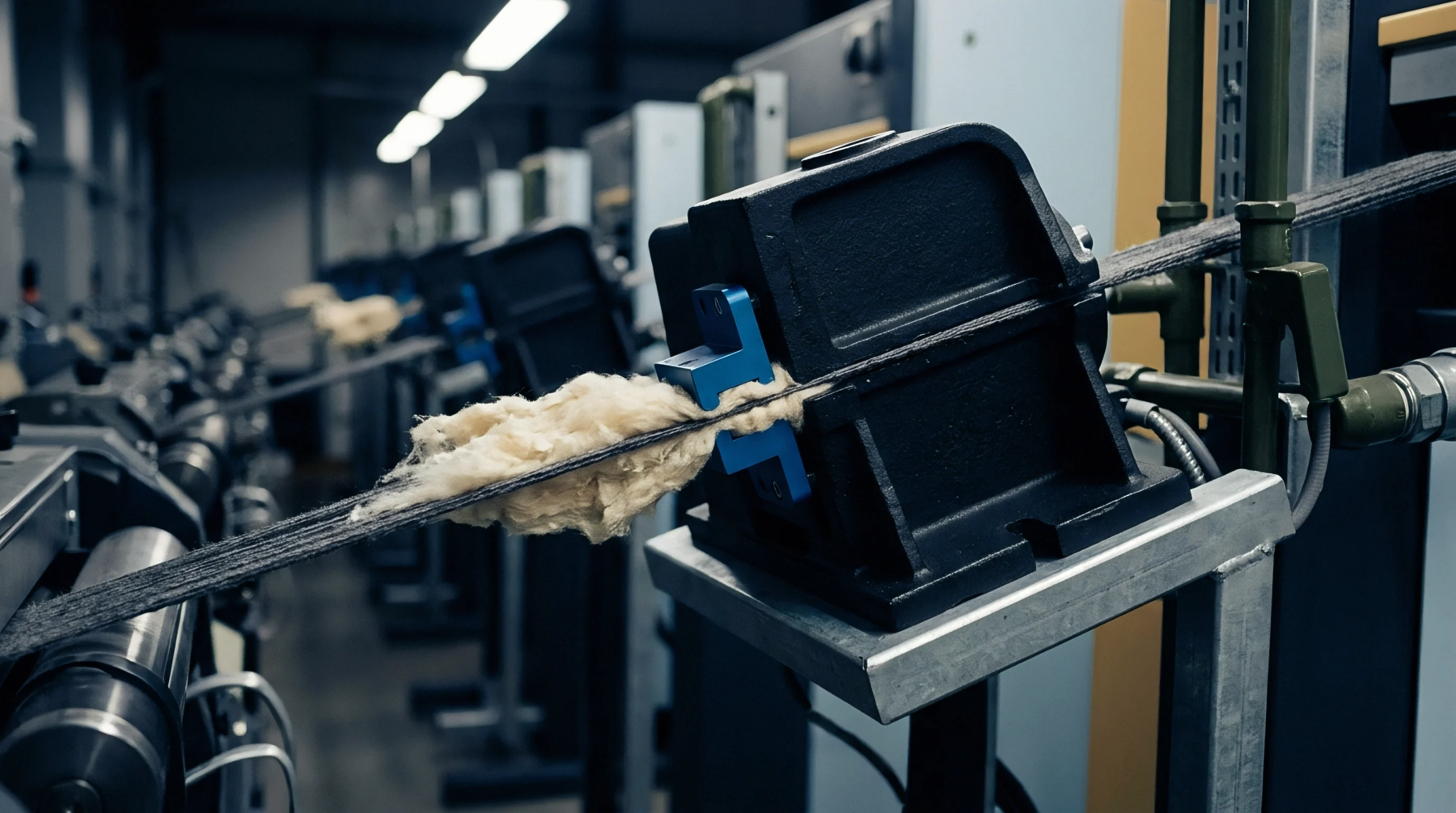
Calendering equipment exerts force across the web to eliminate microscopic pathways for escape. Proper tension during the finishing run prevents uneven density that allows filling to leak. Consistency in the heat setting temperature ensures the nylon retains its compressed structure throughout the life cycle of the product.