Sliver Preparation
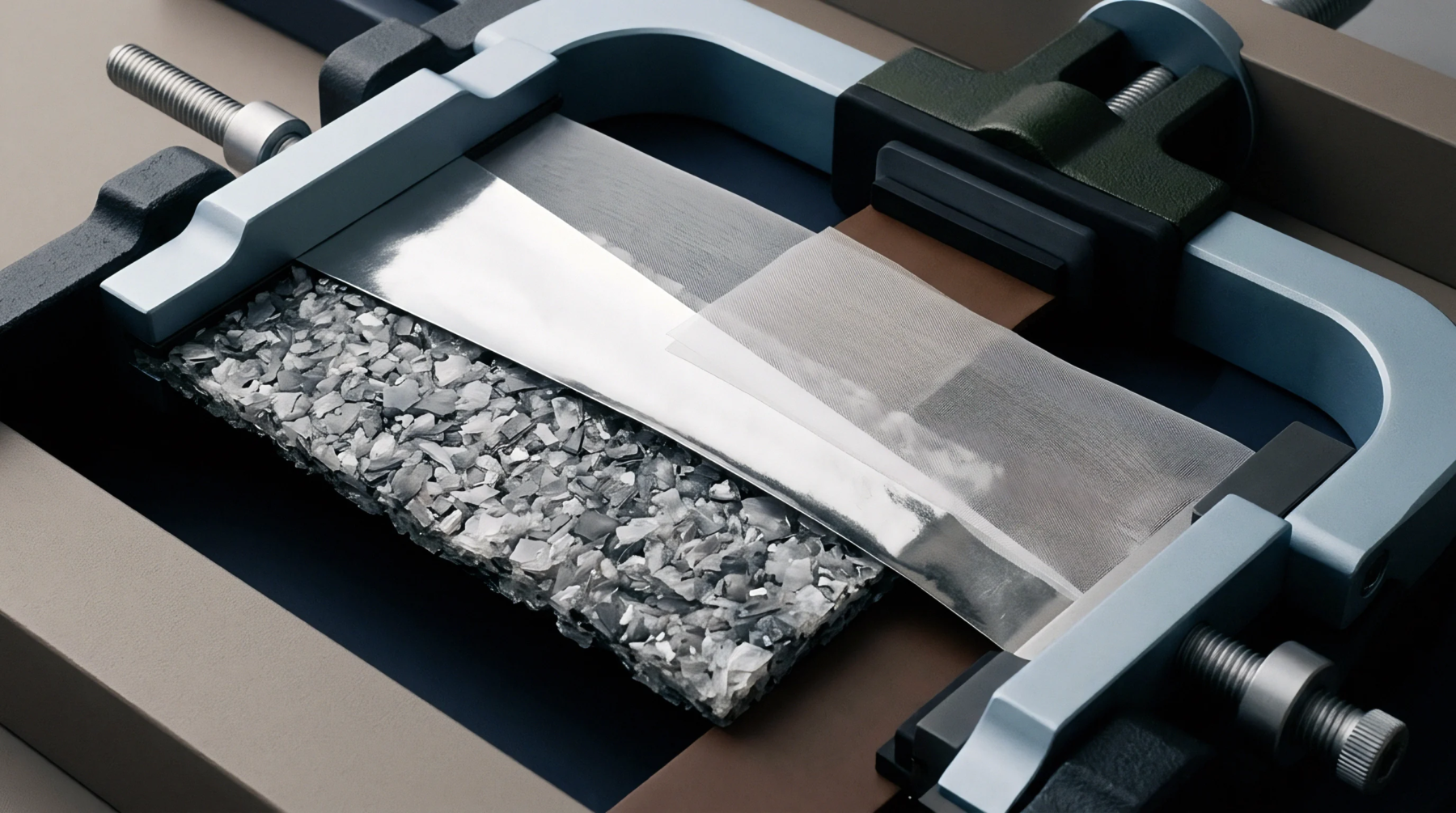
Multi-sliver feeding systems combine different fiber types or colors during the drafting stage of yarn spinning. Through draw frame blending, multiple slivers are fed together between pairs of rollers running at progressive speeds to produce a single uniform sliver. This method is commonly chosen for intimate mixtures of synthetic and natural fibers such as polyester and cotton.
The combined sliver is then delivered to the roving frame for further processing.
Mixing Mechanism
Drafting rollers elongate the fiber bundles while bringing them into close parallel alignment. In draw frame blending, the ratio of the blend is determined by the number of slivers of each fiber type fed into the machine. For instance, combining six slivers of polyester with two of cotton yields a specific blend proportion in the final yarn.
This physical action relies on mechanical doubling to smooth out variations in density.
Yarn Homogeneity
Microscopic analysis of the yarn cross-sections reveals the distribution of each fiber type within the spun structure. Incorrect draw frame blending can cause stripiness in the dyed fabric if the different fibers are not distributed evenly. This defect occurs when slivers run out of alignment or when drafting speeds are poorly calibrated.
Spinners check the output regularly using capacitance testing to monitor variation.
Process Efficiency
Production mills select this blending route because it offers greater flexibility than mixing fibers in the blowroom. While draw frame blending provides excellent longitudinal uniformity, it is less effective for very short fibers. Technicians must adjust the roller settings to accommodate the different fiber lengths being processed simultaneously.