Inspection Technology
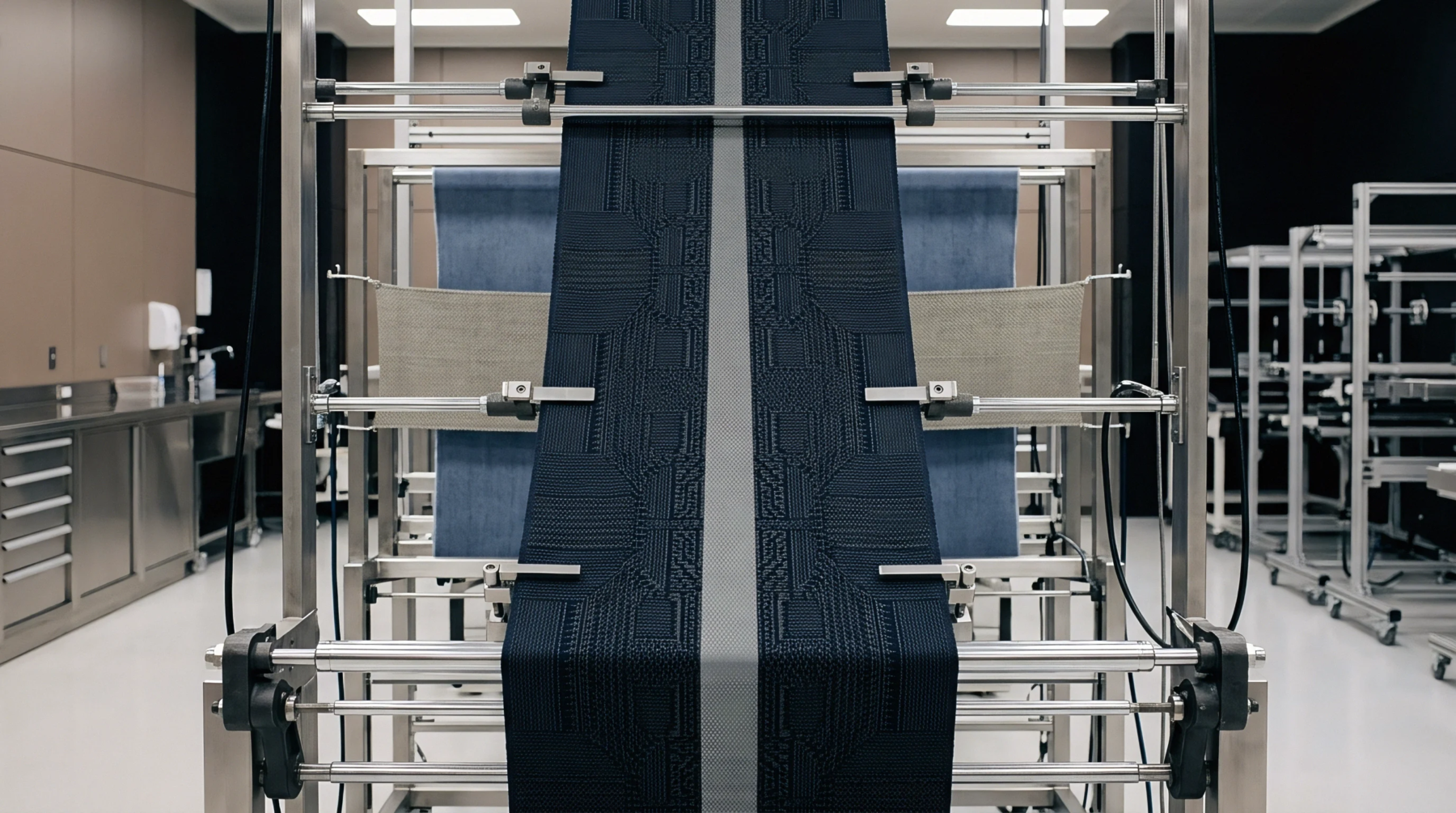
Optical scanning hardware identifies and records physical irregularities in a moving web of fabric during the final finishing stages. The efa system utilizes high resolution cameras to detect holes, stains, weaving errors or tension lines that manual inspection might overlook. Data captured by this technology allows a mill to assign quality grades to each roll based on a point per square metre calculation.
Operational Workflow
Processing speed remains constant while the digital sensors map the location of every defect against the length of the piece. An efa system provides a digital map that garment factories use to optimize cutting layouts around flaws. This integration reduces waste by ensuring that markers avoid damaged areas of the textile.
Detection Accuracy
Sensitivity settings allow technicians to distinguish between minor surface lint and structural yarn breaks. While a basic scanner might trigger on loose threads, an efa system uses software algorithms to filter out non critical variations. High speed processing ensures that the inspection does not become a bottleneck in the production line.
Reporting Output
Detailed logs generated at the end of a run provide a statistical overview of the batch quality for the buyer. The efa system produces a digital twin of the roll that becomes a verifiable record of fabric integrity.