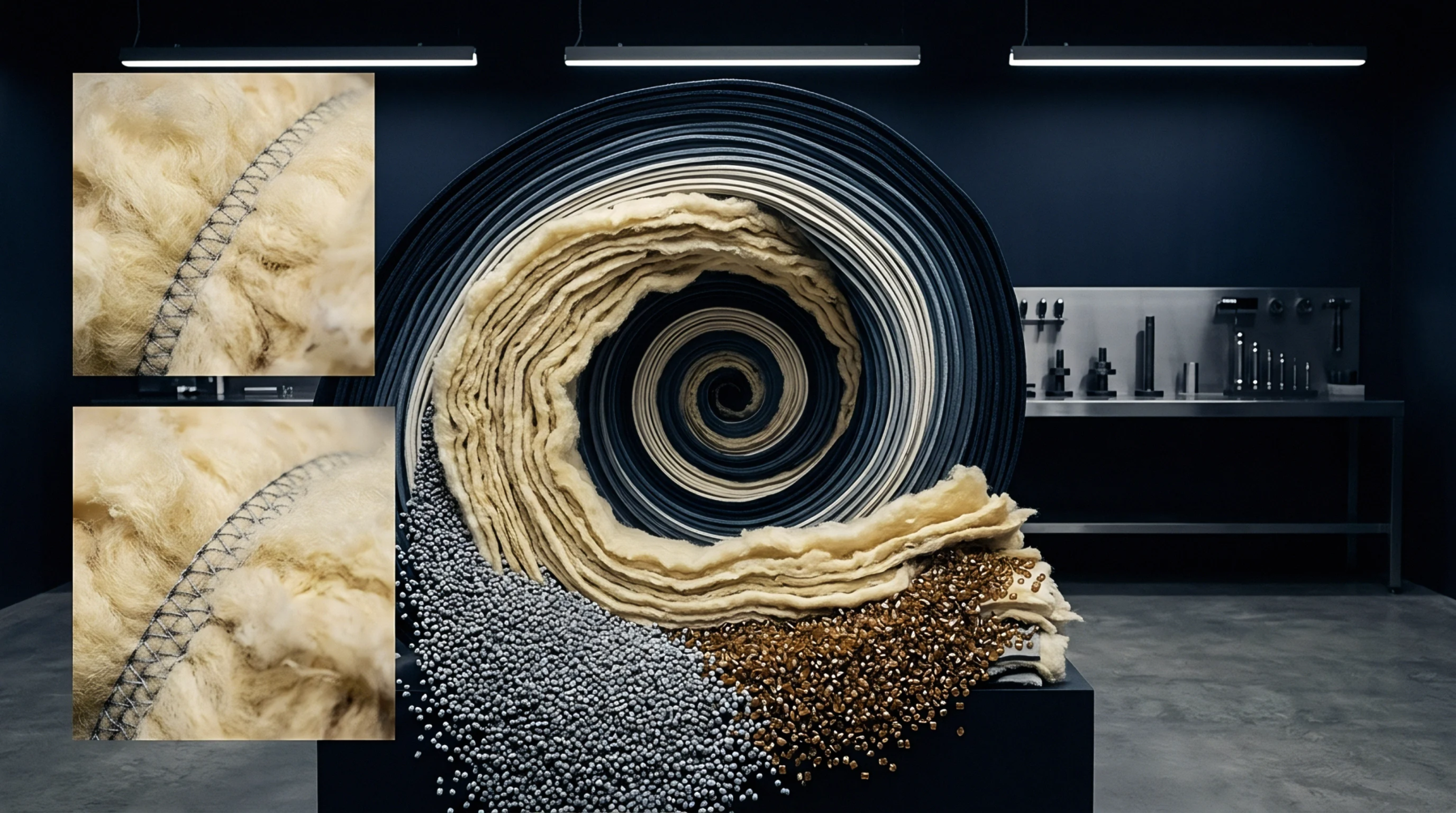
Polymer Breakdown
Chemical and environmental degradation mechanisms dismantle the polyurethane domain structure of stretch filaments in woven or knitted textiles. Progressive elastane decay leads to loss of elastic recovery, fabric bagging and fiber fragmentation within synthetic stretch apparel. The breakdown degrades core-spun and bare elastomeric yarns incorporated into stretch denim and swimwear.
Natural cotton or polyester companion fibres remain structurally sound while elastane filaments crumble within yarn cores.
Soft Segment
Soft polyether or polyester segments within polyurethane chains rupture under repeated exposure to chlorine or heat. During elastane decay, cross-linked hard segments lose structural cohesion, causing permanent elongation of synthetic stretch yarns. Affected fabrics display localized puckering and loss of shape retention on fabric surfaces.
Heat Vulnerability
High heat setting temperatures above one hundred ninety degrees Celsius accelerate thermal degradation in elastane cores. During swimming pool exposure, active chlorine ions attack ether linkages inside polyether-based polyurethane filaments. Laundering stretch garments with sodium hypochlorite bleach initiates rapid elastane decay that destroys fabric recovery within few wash cycles.
Dye houses control bath temperatures and pH levels to protect elastane elasticity during wet finishing.
Quality Rejection
Quality assurance laboratories evaluate stretch loss after accelerated laundering tests. When elastane decay reduces fabric elastic recovery below eighty-five percent after ten wash cycles, apparel shipments fail quality acceptance checks. Mill buyers reject degraded fabric rolls before garment cutting.