Thermal Load
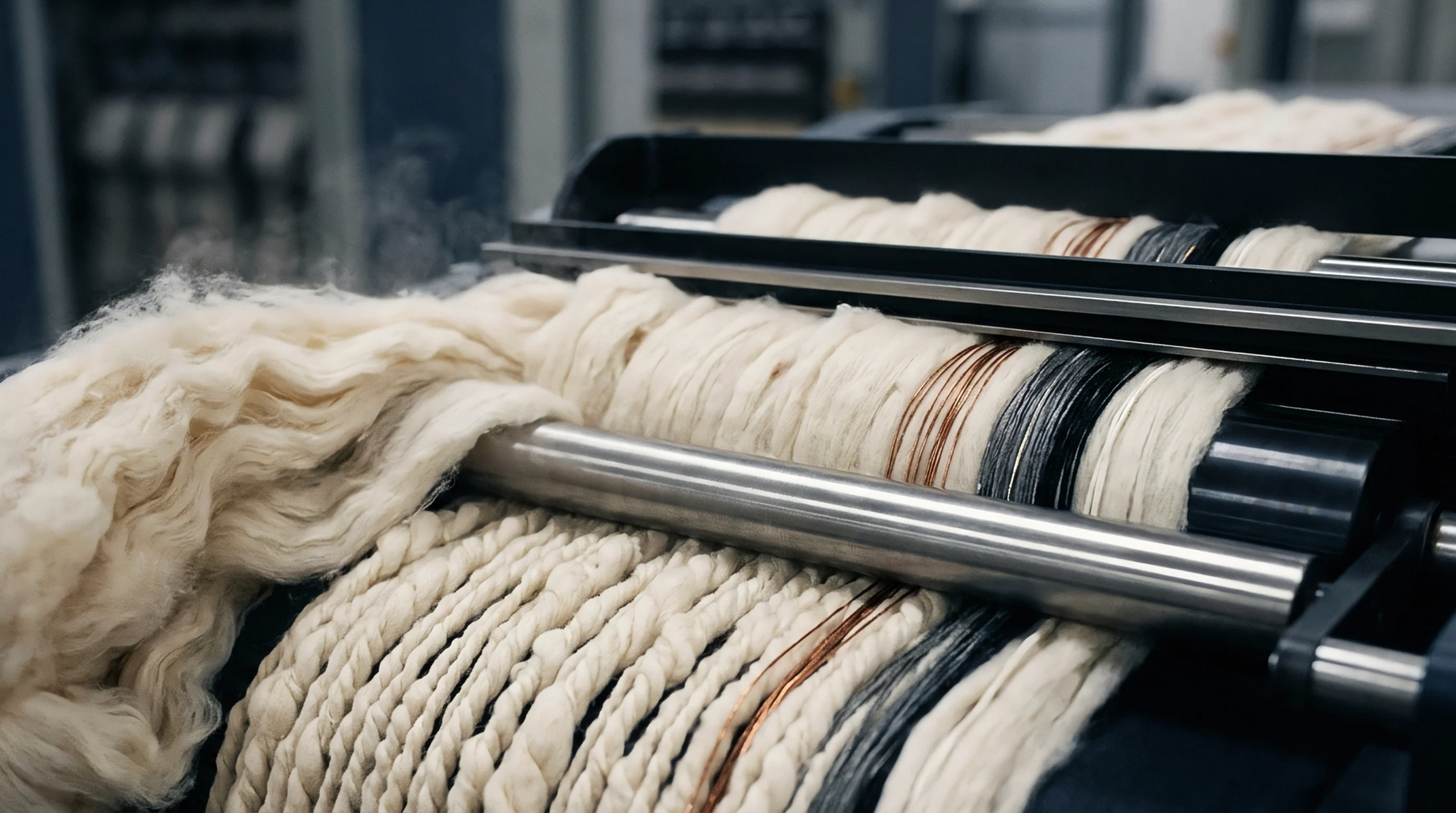
A rapid localized temperature rise is generated when synthetic or natural fibres rub against solid metal surfaces or each other at high processing speeds. The phenomenon of friction heating occurs commonly during high-speed yarn spinning, false-twist texturing and high-speed sewing operations. This thermal stress can soften thermoplastic polymer fibres, alter their crystalline structure and induce permanent physical deformation.
Spinning Failure
During the rotor or ring spinning of cotton, friction heating can melt residual waxes or synthetic finishes on the fibre surface. These melted substances build up on critical machine components, such as yarn guides, rotors, and traveler surfaces, turning into sticky residues that gather dust and micro-dust. This debris changes the tension of the moving yarn, triggering end downs and sliver breaks.
Mechanical Strain
At high sewing speeds, the temperature of the sewing needle can exceed three hundred degrees Celsius due to sliding friction against the woven fabric. Such heat levels melt the sewing thread, leading to rapid thread breakage and missed stitches.
Yarn Integrity
Using lubricants on the yarn surface or choosing appropriate needle finishes reduces the surface friction and prevents high temperature spikes. This cooling ensures consistent stitch quality and preserves the tensile strength of the processed material.