Industrial Cleanliness
Standard procedures for the treatment and storage of toxic byproducts prevent environmental contamination in textile finishing plants. Effective hazardous waste disposal prevents harmful chemical accumulation and ensures that corrosive acids and heavy metal salts are neutralized before discharge. This systematic management secures the safety of the surrounding ecosystem and factory workers.
Chemical Treatment
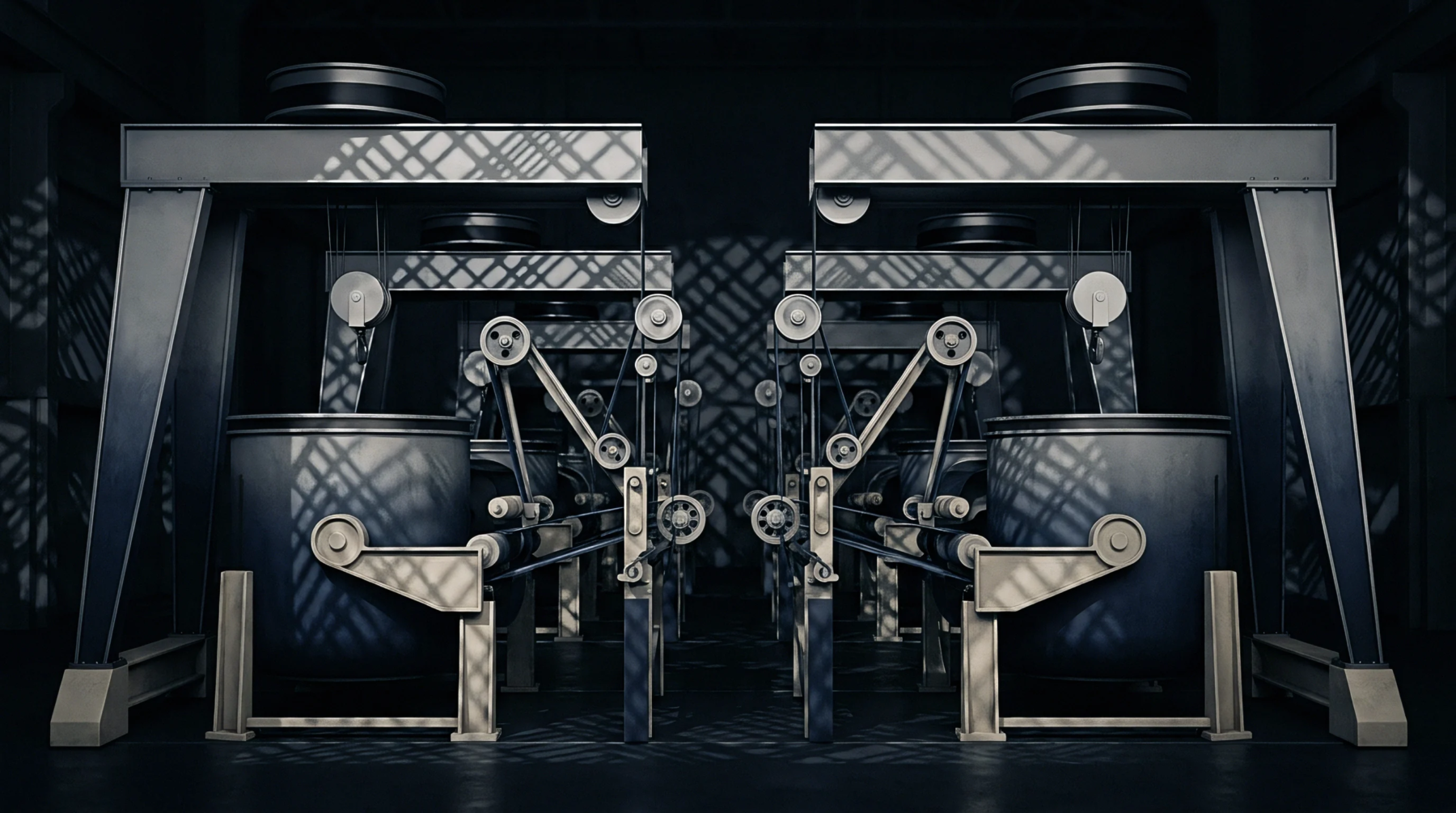
Chemical neutralization represents the primary method for reducing the volume and reactivity of liquid waste. During this phase, hazardous waste disposal relies on flocculating agents to separate suspended dyes and chromium compounds from wastewater. The separated sludge is subsequently compressed and prepared for secure containment.
Effluent Filtration
Membrane filtration and activated carbon adsorption remove micro-pollutants that escape primary treatment. These advanced methods trap dissolved pollutants to prevent bioaccumulation in regional water systems. Clean water can then be recycled back into the dyeing process, reducing the overall freshwater demand of the mill.
This closed-loop approach lowers operational costs and reduces the impact of industrial discharge on the local water table.
Regulatory Inspection
Chain of custody documentation tracks the movement of industrial byproducts from the dyehouse to the final containment site. In textile mills, hazardous waste disposal undergoes rigorous verification through chemical oxygen demand testing and heavy metal analysis.