Classification Standard
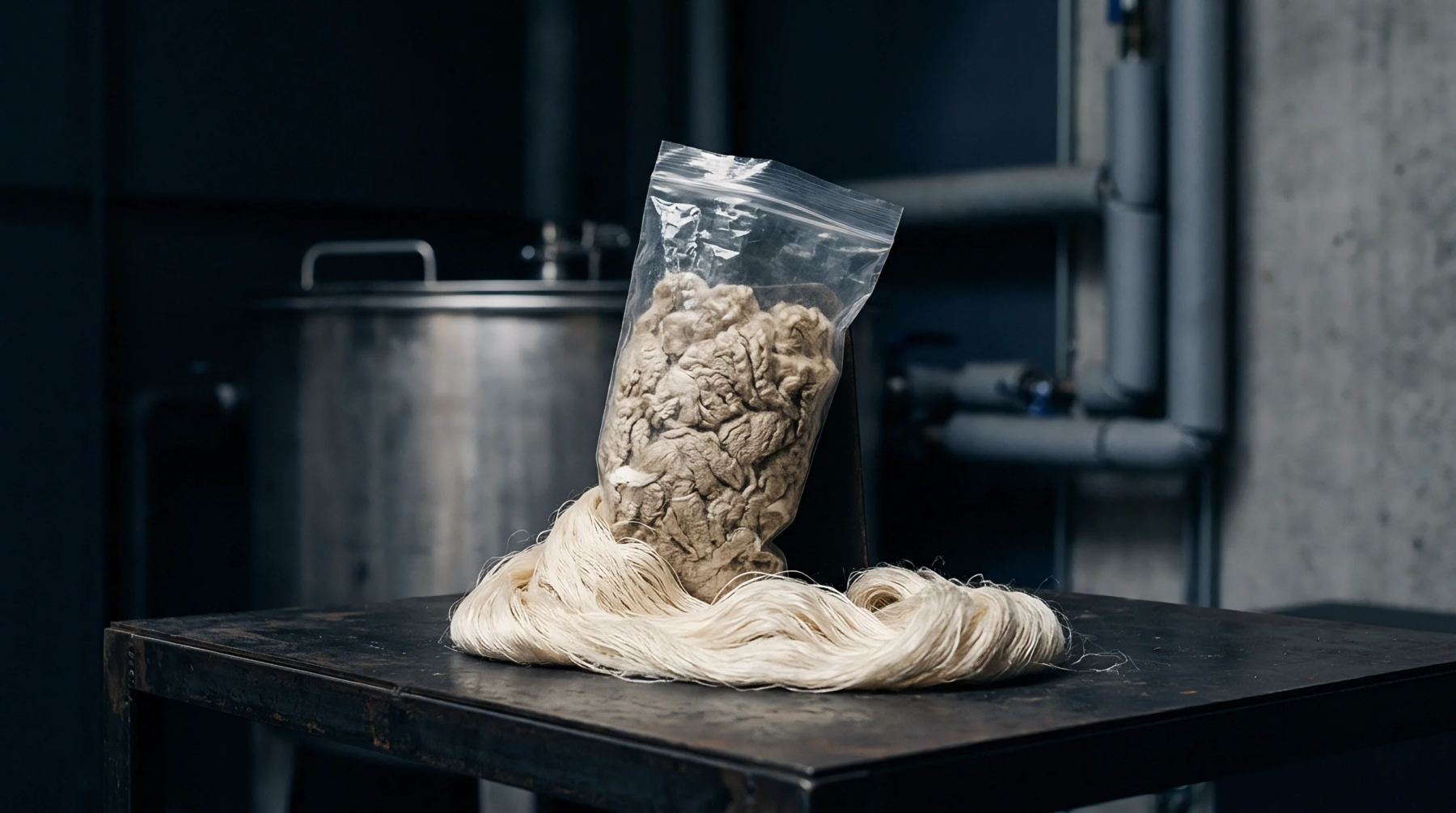
Synthetic staple fibres consist of manufactured polymer filaments chopped into specific lengths for processing on spinning machinery. Heading 5509 covers yarns containing 85 percent or more by weight of synthetic staple fibres, which distinguishes them from filament yarns that undergo continuous extrusion. These products provide consistent physical dimensions across large production lots.
Variations in density and fibre diameter permit precise control over yarn performance in downstream textile manufacturing.
Material Specification
Manufacturers determine the commercial value of these yarns through linear density measurements and tenacity testing. Heading 5509 demands strict adherence to uniform fibre length distributions to maintain stable tension on carding and drawing equipment. Excessive variability in these parameters causes frequent breakage during high speed ring spinning or rotor spinning operations.
Chemical treatment of the constituent synthetic fibres further influences the ultimate abrasion resistance of the resulting textile structure.
Classification Boundary
Regulatory frameworks isolate this category from mixtures containing less than 85 percent synthetic staple content. Products falling below this threshold transition to different classification codes based on the secondary fibre constituent. Customs authorities utilize physical laboratory analysis to verify composition ratios when shipments enter international ports.
This verification confirms that the material matches the tax and quality documentation presented at the border.
Manufacturing Impact
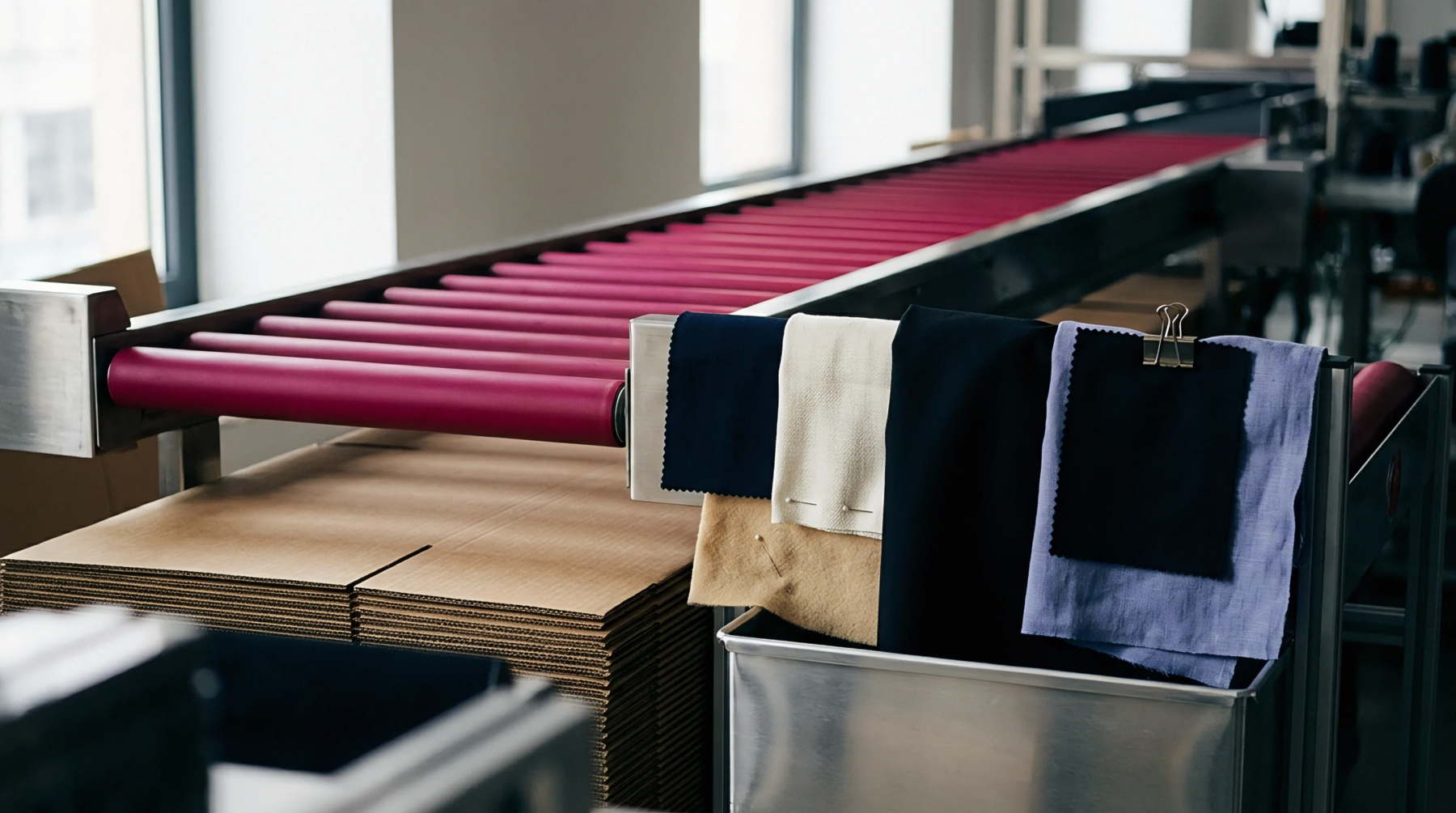
Textile mills utilize these yarns to construct fabrics where durability and moisture management remain the primary design objectives. Uniformity in the staple yarn construction reduces the formation of surface defects such as neps or thick spots during the weaving process. Consistent supply of this material allows factories to calibrate their finishing machinery for predictable shrinkage and hand feel in the final garment.