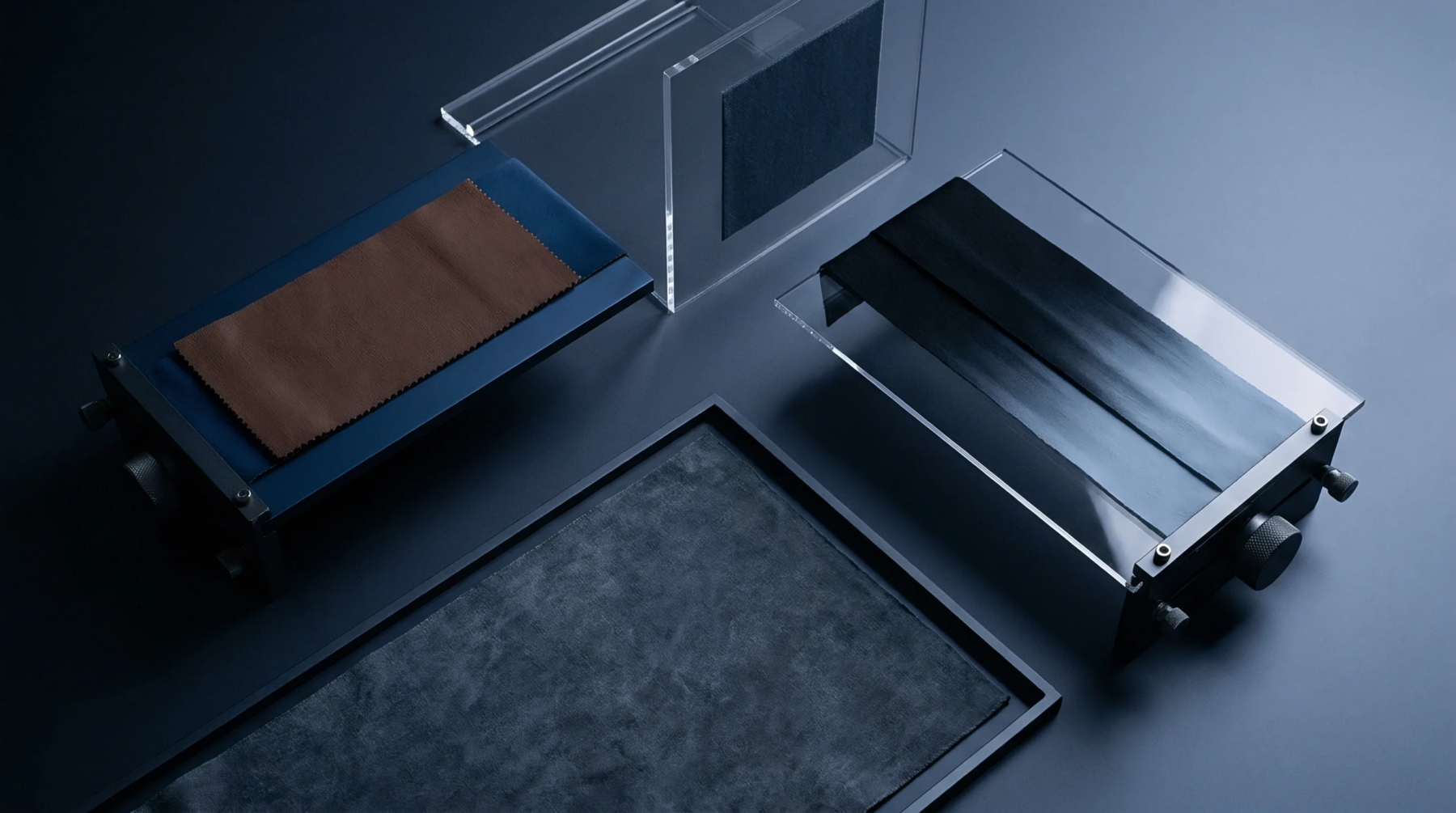
Dissolution Standard
Laboratory protocol used to determine the proportion of cellulose fibres in a blend by dissolving silk or certain synthetic fibres. The iso 1833-11 sulfuric acid method relies on the specific solubility of protein fibres or certain man-made fibres in a concentrated acid solution at a controlled temperature. It provides a mass-based percentage of the remaining insoluble component after the soluble portion is removed and the residue is dried.
Dissolution Process
Specimen preparation involves drying the textile to a constant mass before immersion in the 75 percent sulfuric acid reagent. This chemical action breaks down the targeted fibres while leaving the cotton or polyester components intact for subsequent weighing. Careful agitation and timing prevent the acid from attacking the fibres intended for recovery.
Technical Accuracy
Results are corrected using a specific factor that accounts for the slight mass loss of the insoluble fibre during the procedure. This correction factor is essential because even resistant fibres like cotton lose a small amount of substance when exposed to high concentrations of acid. Without this adjustment, the final composition report would overestimate the soluble fibre content.
Mill Application
Production facilities use this method to verify the blend ratios of raw yarns before they enter the weaving or knitting stage. Correct labeling depends on the precision of these results.