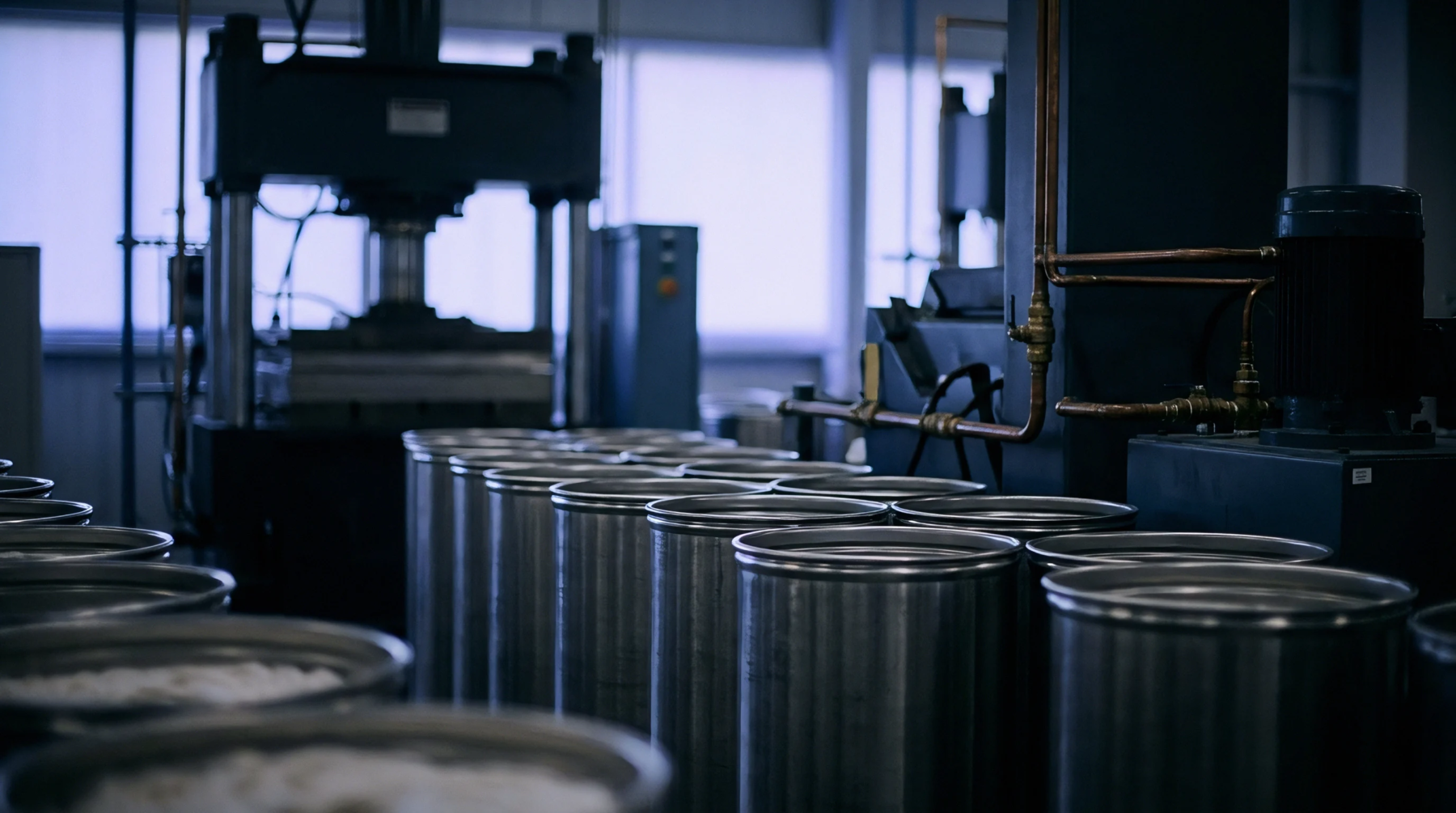
Density Standard
International test procedures specify the pycnometer method for determining the density of paints, varnishes, and liquid textile coatings. Adherence to ISO 2811 ensures that the polymer coatings used in waterproof fabric production have the correct mass to volume ratio. This specification requires the use of standardized metal or glass pycnometers of known volume.
Test Protocol
Laboratories execute the procedure by weighing the empty container, filling it with the textile coating formulation, and reweighing it. Calculation of density involves dividing the net sample mass by the calibrated volume of the pycnometer vessel. For highly viscous polymer pastes, a spherical or cylindrical container with a close fitting cap ensures zero air entrapment, which would otherwise skew the volumetric weight calculations during test execution.
Quality Verification
Finishing mills use this benchmark to confirm that incoming batches of polyurethane or silicone dispersion meet the technical sheet specifications before application. Discrepancies in density values indicate incorrect solvent ratios or air bubble inclusion. These density checks form the basis of raw material quality release protocols.
Thermal Sensitivity
Temperature control remains the primary restriction of this measurement protocol. Because density changes with temperature, the standard requires measurements to be performed in a temperature controlled room or water bath at precisely twenty five degrees Celsius.