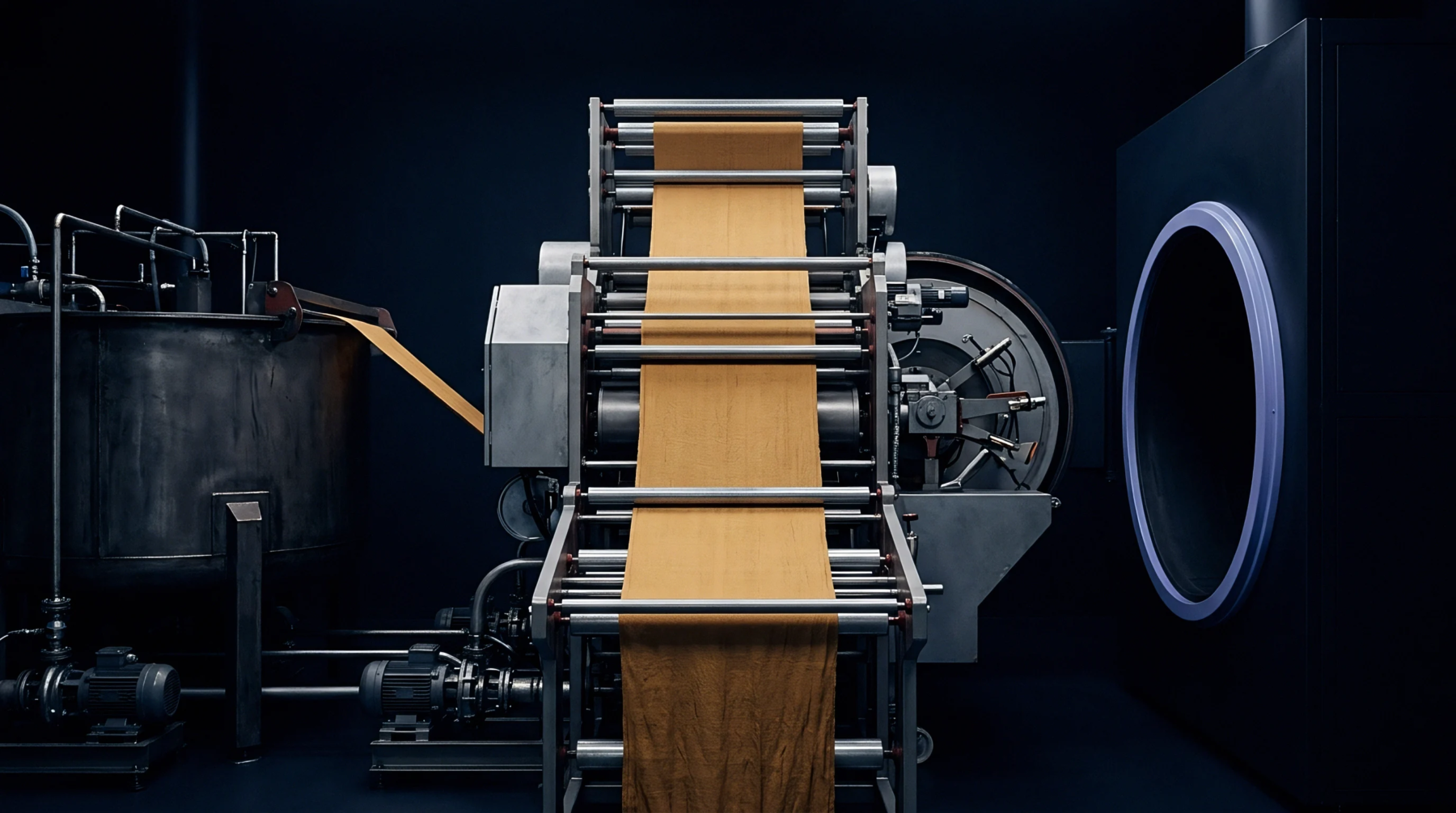
Fabric Mass Definition
An international standard establishes the methods for determining the mass per unit area and the mass per unit length of a textile material. The iso 3801 protocol provides the industry with a consistent way to measure fabric weight, which is a fundamental property for trade and production. It covers both woven and knitted fabrics and can be applied to full rolls or small specimens.
The standard defines the measurement in terms of grams per square meter or grams per linear meter. This data is used by buyers to verify that the fabric meets the requirements for a particular order. It also serves as a basis for pricing and for calculating the amount of raw material needed for production.
The result is a precise measurement that is recognized and accepted worldwide.
Conditioning Laboratory Phase
Environmental control is a mandatory part of the testing process to ensure that the results are accurate and comparable. The iso 3801 method requires the fabric to be conditioned in a standard atmosphere of 20 degrees Celsius and 65 percent relative humidity. This is because natural and synthetic fibers absorb moisture from the air, which increases their weight.
If the fabric is not conditioned, the measured mass will vary depending on the local weather conditions. The samples must remain in the standard atmosphere until they reach a constant weight, which typically takes at least twenty four hours. Technicians use precision balances that are regularly calibrated to ensure the highest level of accuracy.
This rigorous approach prevents errors and ensures that the data is reliable for commercial use.
Trade Weight Accuracy
Determination of the fabric mass is necessary for calculating the yield and the cost of a production lot. The iso 3801 data allows the mill to ensure that the fabric is being produced within the specified weight range. If the fabric is too light, it may not have the required strength or opacity for the finished garment.
If it is too heavy, the mill is using more raw material than necessary, which reduces its profit margin. These measurements are also used to verify the weight of the fabric during the final inspection before shipment. Discrepancies in the weight can lead to claims and disputes between the buyer and the supplier.
Maintaining a consistent weight is a sign of a well managed production process and is essential for building trust in the supply chain.
Systematic Error Prevention
Proper sampling and measurement techniques are used to minimize the risk of errors in the final results. The iso 3801 standard specifies the number and size of the specimens that must be tested to get a representative average for the fabric. Technicians must avoid taking samples from the edges of the roll or from any areas that show visible defects or distortions.
They use specialized circular cutters to ensure that the area of each specimen is exactly one hundred square centimeters. This precision is necessary for calculating the weight per square meter accurately. The final report must include the testing method used and the environmental conditions during the test.
This transparency allows the buyer to verify the results and to compare them with data from other laboratories.