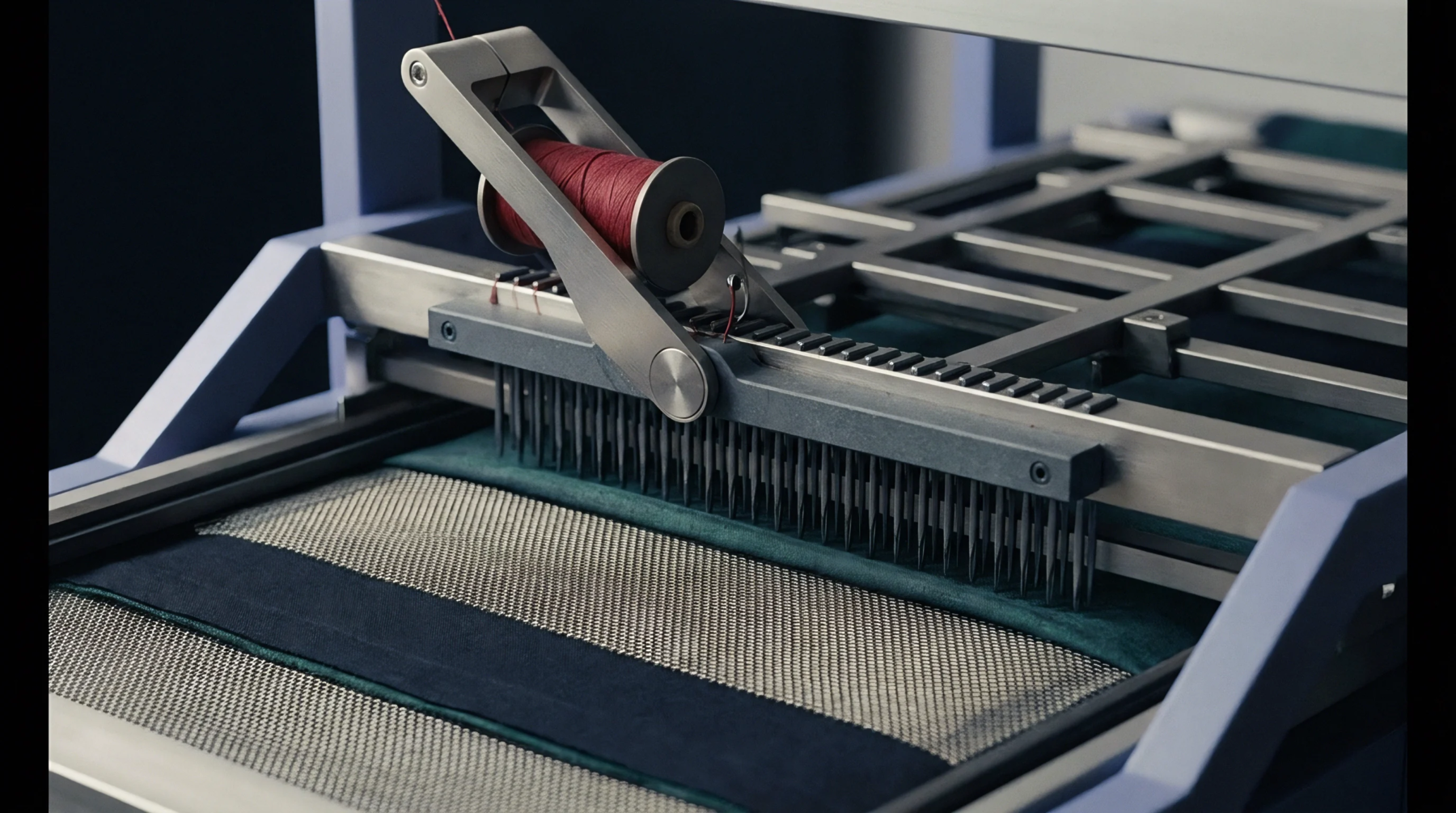
Testing Inconsistency
Inconsistent wear patterns and differing endpoint determinations during wear-resistance trials can lead to varying outcomes across identical fabric samples. Minimizing Martindale abrasion variance requires strict control over the abrasive medium, applied pressure, and machine maintenance. This wear assessment is standard for determining the durability of upholstery and apparel fabrics.
Uncontrolled variables in the lab can cause a single fabric batch to pass or fail arbitrarily.
Mechanical Factor
The condition of the wool felt backing and the standard abradant fabric acts as a major source of measurement deviation. Over time, these materials degrade, which introduces Martindale abrasion variance into successive test runs. Technicians must replace the abradant cloth after a set number of cycles to maintain consistent frictional resistance.
In addition, the alignment of the clamping rings must be precise to prevent uneven pressure distribution across the specimen surface.
Endpoint Definition
The subjective nature of identifying thread breakage or significant surface changes introduces further discrepancy. Some operators halt the machine at the first sign of a broken thread, whereas others wait until a complete hole forms, thereby causing Martindale abrasion variance. Using automated digital imaging systems can reduce this human error by tracking surface changes objectively.
This technology provides a repeatable criterion for stopping the test.
Operational Strategy
Laboratories run reference fabrics to benchmark their equipment performance. Tracking Martindale abrasion variance through regular internal audits ensures that testing results remain reliable over time. This practice protects the factory from false product failures.