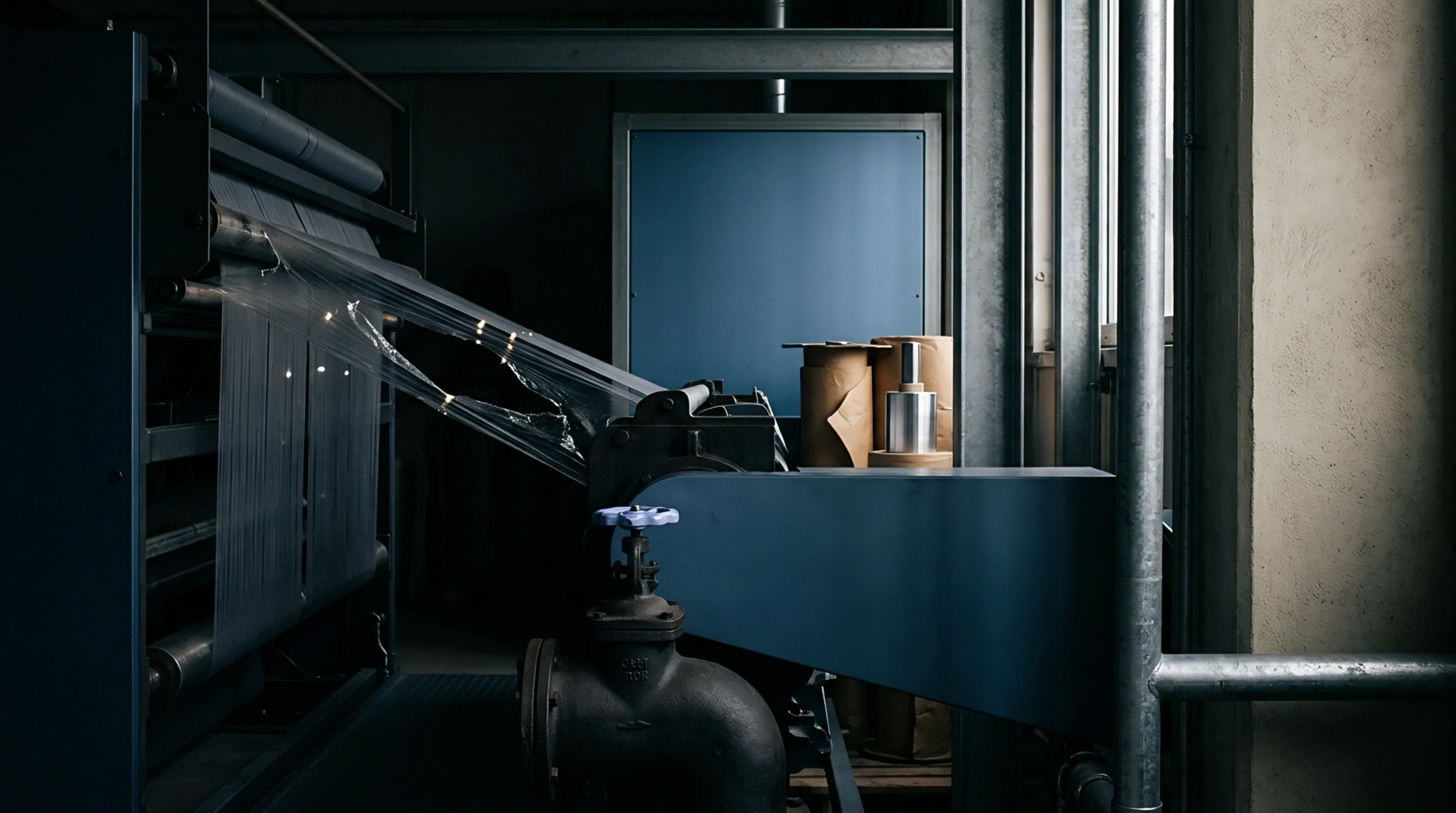
Hydrocarbon Base
Refined petroleum hydrocarbon fractions serve as hydrophobic base liquids for textile yarn lubricants and fiber finishes. A mineral oil lubricant reduces friction between synthetic filaments and metal guides during spinning and texturing processes. These chemical formulations incorporate emulsifiers to aid downstream aqueous removal.
Filament Processing
Mechanical processing of staple fibers and continuous filaments requires surface lubrication to prevent static accumulation and fiber breakage. In ring spinning and cone winding, mineral oil lubricant applications reduce fiber-to-metal friction while maintaining cohesive yarn strand geometry. Controlled pick-up rates ensure smooth processing through high-speed machinery.
Thermal Stability
Thermal exposure during heat setting or texturing can volatilize or yellow hydrocarbon liquids on synthetic goods. Applying high-purity mineral oil lubricant with oxidation inhibitors prevents smoke generation and thermal discolouration during stenter frame processing. Formulators optimize flash point parameters for elevated operational safety.
Scouring Removability
Aqueous scouring processes must remove processing aids entirely before dyeing to prevent shade unevenness and blotches. Testing mineral oil lubricant residual levels involves solvent extraction followed by gravimetric analysis or infrared spectroscopy on scoured fabric samples. Technical specifications mandate maximum residual oil content below zero point two percent by weight to ensure defect-free dyeing performance.
Scour efficiency checks confirm residual hydrocarbon removal across all production batches.