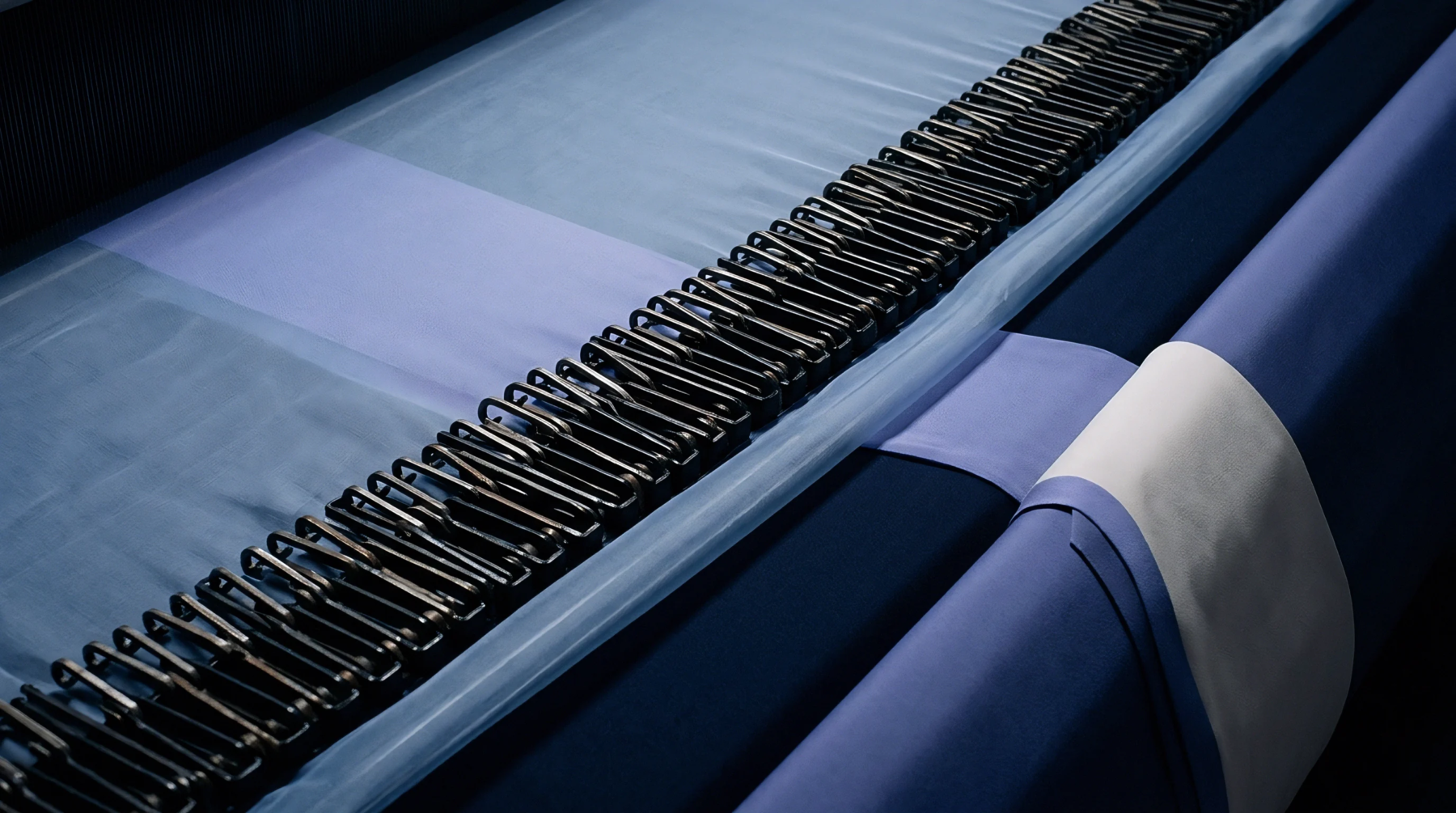
Optical Distortion
Smearing of visual details in a digital image occurs when the subject moves across the field of view during the exposure period. In high-speed fabric inspection, motion blur reduces the clarity of the texture and makes it difficult to detect small defects like broken picks or oil spots. The length of the blur is proportional to the speed of the production line.
Inspection Impediment
Automated vision systems require sharp edges to differentiate between acceptable variations and genuine faults. Excessive motion blur hides the structural details of the knit or weave, leading to a higher rate of false negatives. Achieving high-resolution images at speed requires very short exposure times.
Hardware Solution
Industrial cameras utilize global shutters and high-intensity strobe lighting to freeze the movement of the material. By reducing the time the sensor collects light, motion blur can be minimized even at line speeds exceeding several hundred meters per minute. Shorter exposure allows the software to perform precise pixel-level analysis for the detection of structural anomalies.
Detection Boundary
Capability of the inspection system to identify tiny contaminants or slubs is limited by the residual smearing of the image. When motion blur exceeds the size of the target defect, the defect becomes invisible to the algorithm. Operational speeds must be balanced against the light intensity and sensor sensitivity available.