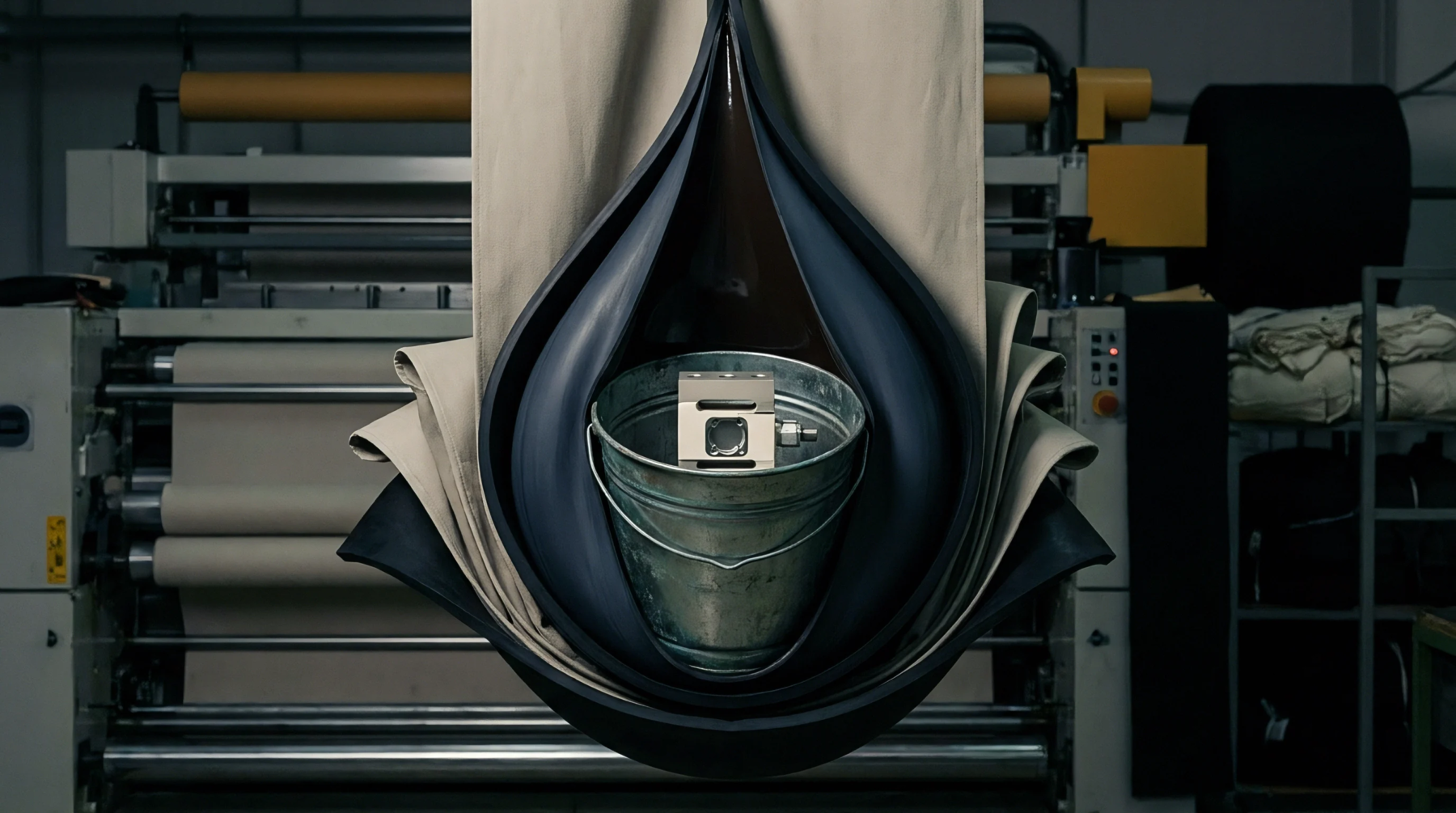
Coating Weight and Peel Strength on a Laminated Outerwear Shell
Verify coating weight stability and crosslinker kinetics to ensure peel strength exceeds ten Newtons per fifty millimetres after repeated washing cycles.
This procedure alters the chemical properties of textile fibres through ionised gas exposure within a vacuum chamber. Plasma treatment modifies the surface energy of synthetics like polyester or polypropylene to improve their interaction with dyestuffs and finishing agents. The process involves high-frequency electrical fields that create reactive species, which bombard the substrate to introduce functional groups without affecting the bulk mechanical properties of the fibre.
Boundaries for this application occur when the polymer structure experiences degradation from excessive exposure duration or field intensity. Verification occurs through water contact angle measurements taken at the mill site after the material exits the treatment chamber to ensure the surface achieves the required hydrophilicity for the next processing stage.
Molecular bombardment dislodges atoms from the surface of fibres, creating radical sites that increase surface roughness on a microscopic scale. Plasma treatment facilitates the attachment of chemical coatings by enhancing the adhesion between liquid finishes and inert polymer backings. Fabric manufacturers apply this technique to improve colour fastness and uniform dye uptake across synthetic batches.
Gas selection determines the specific chemistry introduced, as oxygen plasma creates hydroxyl groups while nitrogen variants add amine sites. The intensity of the electrical field dictates the depth of the modification, reaching only the outermost layers of the filament. Consistent movement through the vacuum zone ensures that all sections of a roll receive uniform bombardment, which reduces the potential for streaks or uneven dye absorption during the subsequent dyeing phase in a commercial dye house.
Chamber pressure levels dictate the efficiency of the ionisation process during this textile operation. Plasma treatment functions only when the internal atmosphere remains below atmospheric pressure, allowing electrons to gain sufficient kinetic energy from the field to collide with gas molecules. Sensors monitor the gas flow rate to maintain a steady state inside the chamber while the substrate travels past the plasma torch.
Engineers calculate the dwell time based on the yarn speed and the specific surface energy requirements of the synthetic blend. This setup prevents the formation of arcing, which would otherwise burn the fabric and compromise the strength of the final garment. Success depends on the stability of the vacuum seal and the ability of the electrical generators to maintain a constant output frequency throughout the production cycle.
Structural changes to the fibre surface increase the wettability of hydrophobic materials. Plasma treatment acts as an alternative to wet chemical wetting agents that often require high water volumes or harsh surfactants. Fibre processors use this method to prepare industrial fabrics for specialized coatings that must adhere to smooth surfaces under high-stress conditions.
The modification stays confined to the molecular layer, leaving the core integrity of the fibre unchanged during weaving or knitting operations. This finish remains stable under standard storage conditions until the material enters the manufacturing line for assembly into apparel or soft goods. The process reduces environmental load by replacing chemical pretreatments with reactive gas phases, providing a permanent change to the surface energy of the treated textile product.
Verify coating weight stability and crosslinker kinetics to ensure peel strength exceeds ten Newtons per fifty millimetres after repeated washing cycles.
Expertise is a utility, not a secret. sentiention™ publishes its working knowledge as open reference: intelligence layer covering the materials it sources, the markets it enters, and the reference that serves both.