Operational Force
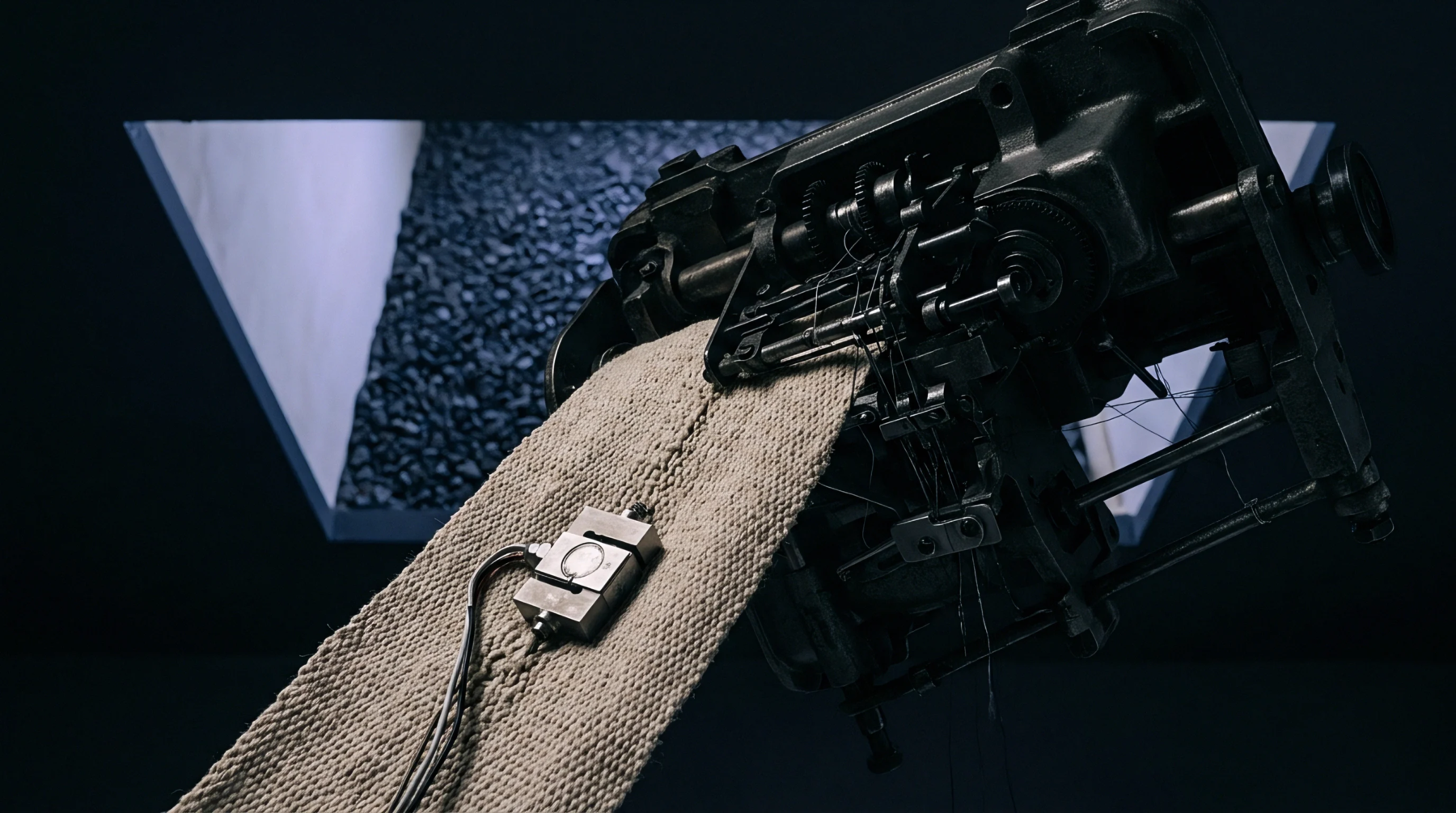
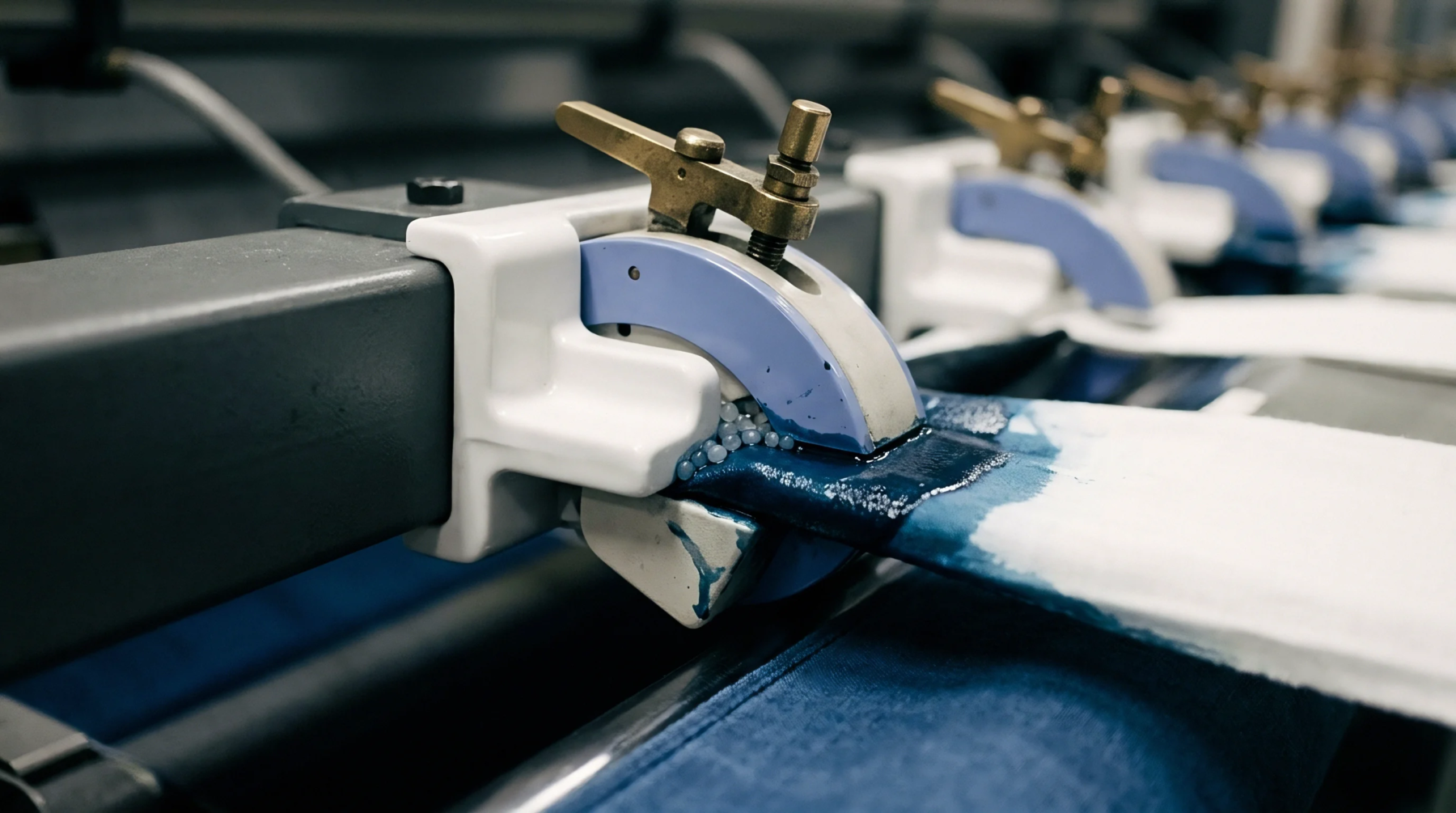
Compressed air propulsion acts as the primary mechanical driver for removing individual textile components from high-speed production lines through controlled bursts of energy. Pneumatic ejection relies upon a sudden release of stored pressure within a dedicated valve system to displace items from a conveyor or track without physical contact from rollers or mechanical arms. This mechanism manages the removal of defected items or the sorting of cut fabric pieces during the garment assembly sequence.
Air delivery systems trigger at a precise millisecond window synchronized with light sensors tracking the movement of material along the belt. The force exerted must overcome the static friction between the fabric and the surface to shift the trajectory of the object into a collection bin. Excess pressure causes the material to flutter or drift away from the target zone, while insufficient force fails to clear the path for the following product.
Release Timing
Factory supervisors utilize this technology to maintain line speed despite constant variations in fabric weight or rigidity. Pneumatic ejection functions by converting electrical signals into mechanical action through a solenoid valve that dictates the flow of air. Each pulse must remain consistent to prevent damage to delicate fibres like silk or technical knits which distort under extreme impact.
Engineers calculate the required PSI based on the density and area of the cut piece to ensure accurate placement. Adjustments occur during the calibration phase of the machine setup to compensate for humidity levels which influence the tackiness of the material. A stable air supply remains a requirement for the performance of the system throughout an eight hour shift.
Sequence Synchronization
Integrated logic controllers govern the activation of the air nozzles by reading positional data from encoders located near the exit point of the sewing or cutting machine. The ejection timing adjusts dynamically based on the current throughput velocity of the material feed. Sensors detect the trailing edge of a fabric panel and calculate the flight path necessary to clear the workspace before the next item arrives.
Software settings dictate the duration of the burst, allowing for fine tuning of the travel distance for pieces with different geometries. Variations in air pressure lead to drift, causing misaligned stacks and requiring manual intervention to correct the output.
Calibration Boundary
Effective removal happens only when the distance between the sensor and the nozzle matches the physical characteristics of the processed textile. Heavier fabrics require more volume to shift, whereas thin synthetic materials respond to lighter air gusts. The system ceases to function when the air compressor fails to maintain a minimum threshold of pressure across the entire factory floor.
Reliable sorting depends on the alignment of these components relative to the conveyor belt path. Constant monitoring of the solenoid health ensures the duration of the pulse stays within acceptable operational limits. Uniform pressure across the line improves the consistency of the finished output.