Yarn Flaw
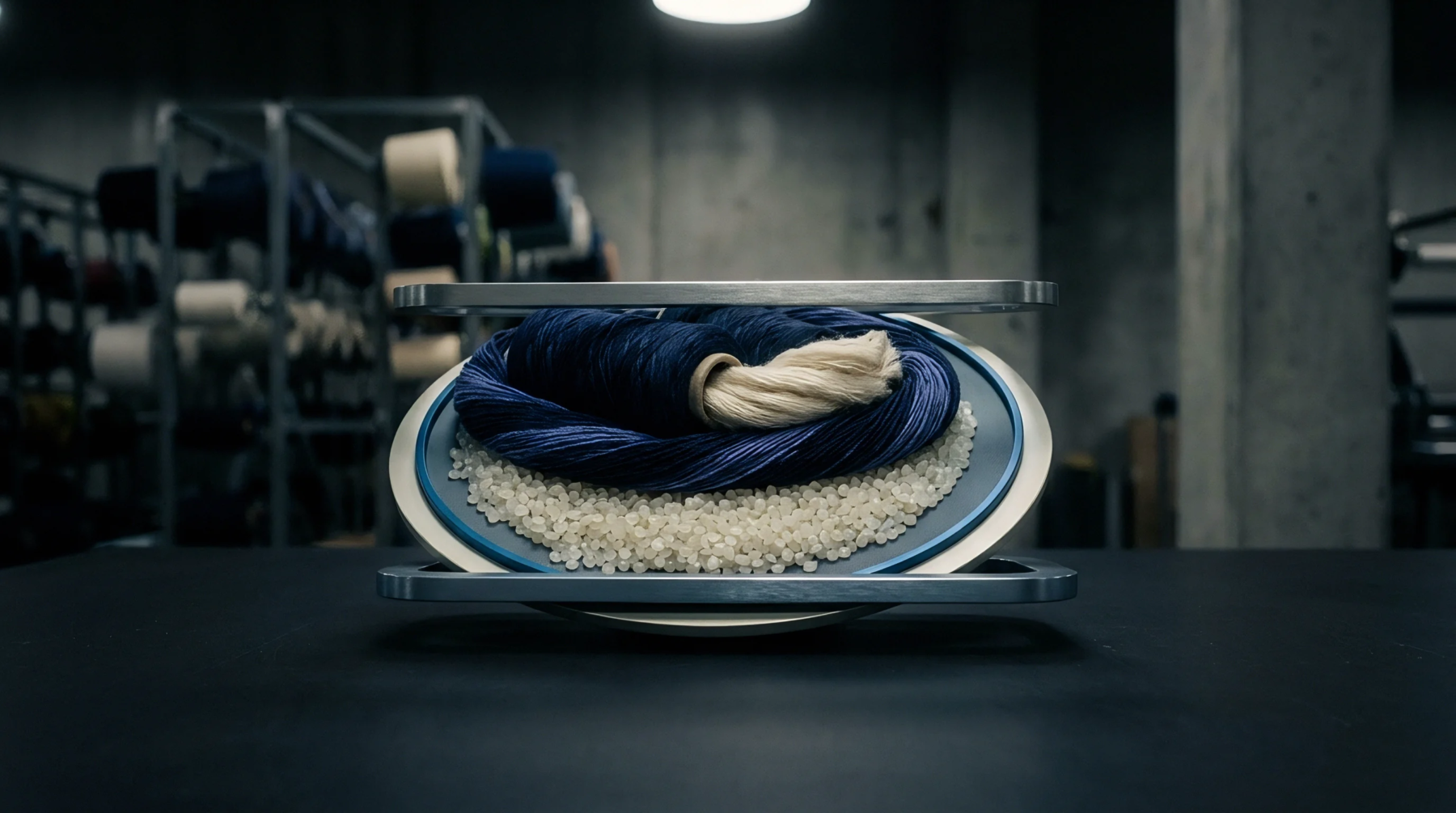
Foreign plastic fragments from agricultural cordage that are spun into cotton yarn cause localized weakness and severe dye non-uniformity in the finished knit or woven fabric. These embedded synthetic fibers are polypropylene twine inclusions, which represent one of the most critical contamination issues in cotton spinning mills.
Production Malfunction
Fibers from disintegrated farm ropes are highly resilient and do not open or draft like cotton fibers on the carding machine. As a result, polypropylene twine inclusions generate heavy yarn defects that trigger automated yarn clearers during the winding stage. These frequent cuts on the winding machine reduce mill efficiency and increase the number of knots in the yarn, which lowers the tensile strength of the package.
If the flaws pass the clearer, they cause yarn breakage during high-speed knitting and weaving operations.
Fabric Defects
Color failure occurs during the subsequent dyeing process because polypropylene has no affinity for the direct or reactive dyes used for cotton. The polypropylene twine inclusions remain uncolored, showing up as bright white or yellow streaks across the surface of the dyed garment, making it unsellable.
Inspection Checkpoint
Automated yarn clearing systems in the winding room use optical sensors to detect these plastic contaminations before yarn is shipped to the knitter. The system cuts the yarn and removes the plastic part, splicing the yarn ends together.