Polymer Barrier
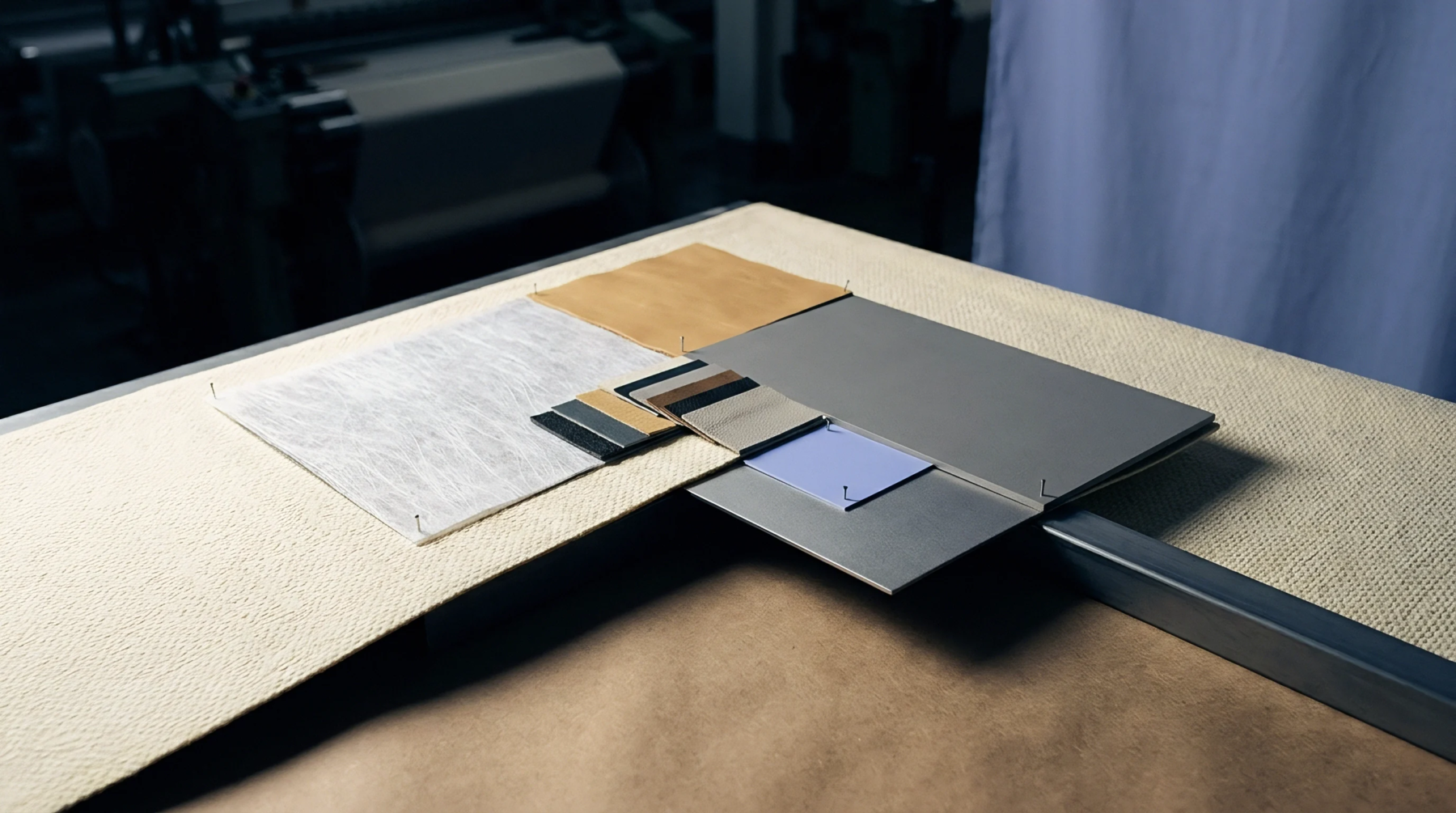
Coated membrane construction joins a polyurethane film directly to a textile substrate through thermal bonding or solvent casting methods. Polyurethane laminate relies on an elastomeric reaction to achieve waterproof performance while maintaining moisture vapor transmission across outerwear garments and medical textiles. Industrial fabric mills bond thermoplastic polyurethane sheets onto knitted or woven base goods during finishing operations to prevent hydrostatic leakage under pressure.
Hydrophilic variants absorb water vapor molecules through molecular diffusion, whereas microporous structures permit gas passage via microscopic channels built into the polymer matrix. Commercial buyers specify minimum hydrostatic head ratings alongside breathability indexes to verify bulk production compliance before garment assembly begins.
Adhesive Mechanics
Chemical bonding agents or heat activation secures the elastomeric film to the face fabric without blocking active transport channels. Solvent based polyurethane adhesives cure through crosslinking reactions that bind the polymer chain networks permanently to the underlying yarn structure. Laminators monitor nip roll pressure and oven temperature profiles strictly to prevent delamination during subsequent laundering cycles or mechanical stress testing.
Low surface energy face fabrics require plasma treatment or primer application prior to coating to ensure adequate adhesion forces across the entire roll length. Production lots fail internal quality audits when peel strength values drop below established thresholds set for activewear end uses.
Hydrostatic Resistance
Water column testing measures the pressure required for liquid water to penetrate the membrane barrier under standardized laboratory conditions. Technicians clamp circular fabric samples into a tester and apply increasing water pressure from beneath until droplets emerge through the top surface. Polyurethane laminate sustains high resistance against driving rain because the continuous polymer layer closes capillary pathways found in untreated woven goods.
Prolonged exposure to body oils and detergent residues degrades the chemical bonds over time, reducing overall waterproof ratings during garment lifecycles. Independent testing facilities certify these performance metrics before commercial shipments clear customs for retail distribution.
Moisture Transmission
Vapor permeability evaluations determine how effectively perspiration escapes through the coated textile assembly to maintain wearer comfort indoors and outdoors. Standardized cup methods track the rate of water vapor diffusion through the membrane barrier under controlled temperature and humidity gradients. Hydrophilic polymer segments attract internal humidity and transport water molecules outward via hydrogen bonding sites along the molecular chain.
Dense polyurethane films trade maximum breathability for enhanced chemical resistance, whereas thinner coatings optimize vapor transfer at the expense of mechanical durability. Garment factories select specific film thicknesses based on the intended activity level of the finished apparel item.