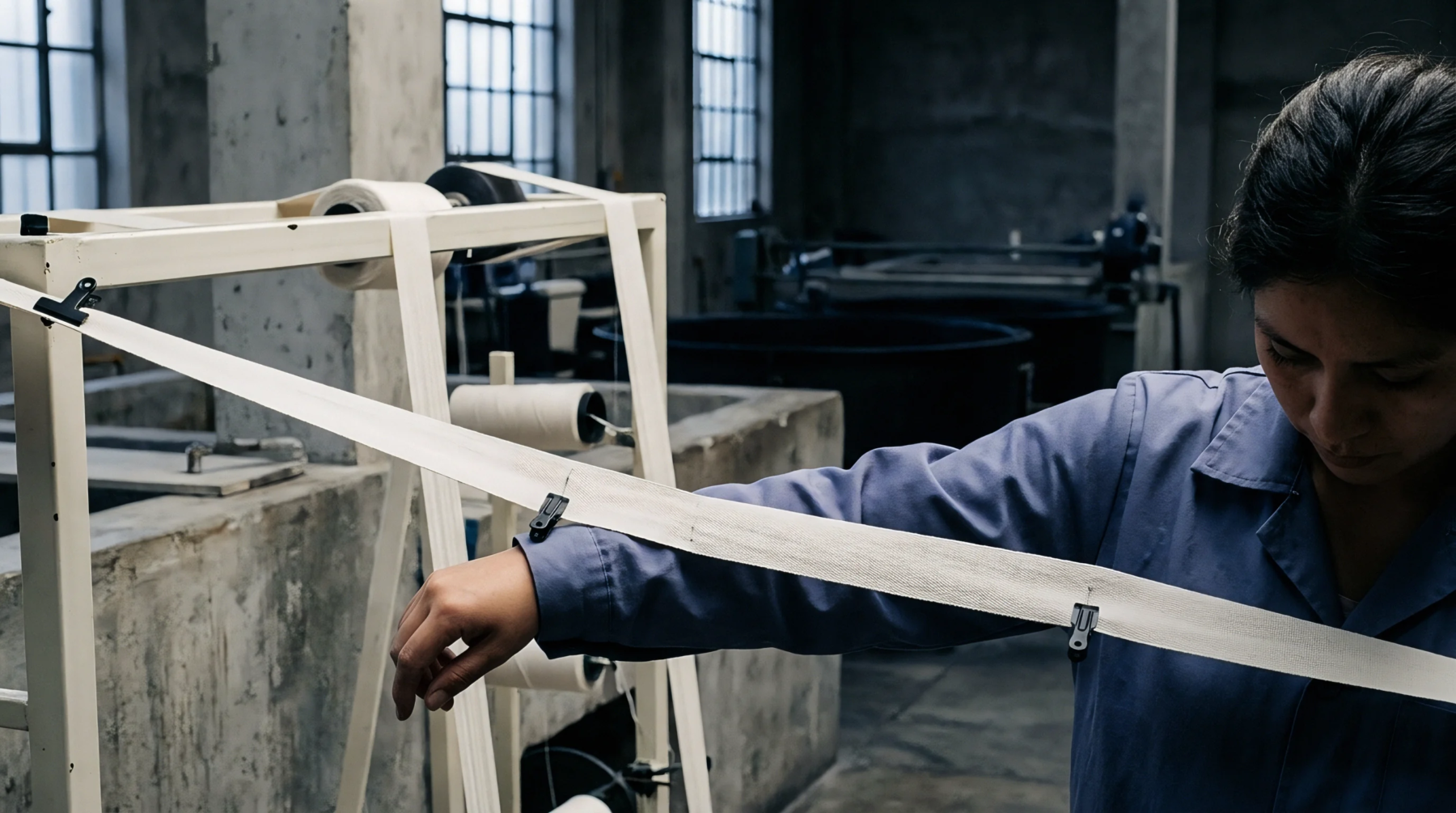
Surface Preparation
Wet processing of greige fabrics begins with preparatory steps designed to weaken the bond between the fiber substrate and its surface contaminants. This initial stage is the pre-scouring treatment, which may involve enzymatic desizing, wetting agents, or mild alkalization. Applying this treatment helps soften natural waxes, sizing agents, and spinning oils before the main washing cycle.
It ensures that subsequent chemical baths can penetrate the fabric structure more evenly.
Chemical Activation
Specific wetting agents applied during this stage lower the surface tension of water, allowing it to penetrate deeply into the yarn. This deep penetration activates the natural swelling of cotton fibers, which physically loosens trapped dirt and processing lubricants. In synthetic fabrics, the pre-scouring treatment prepares the polyester or nylon yarn by dissolving knitting lubricants that would otherwise bake into the polymer during heat setting.
Without this step, subsequent dyeing is likely to suffer from uneven absorption or patchiness.
Contaminant Loosening
Enzymatic or mild acidic applications break down complex starches and sizing polymers into water-soluble sugars that are easily rinsed away. This enzymatic action is far more gentle on the cotton cellulose than harsh scouring chemicals alone. The loosened starches do not redeposit on the fabric, preventing the formation of stiff spots or resists that interfere with finishing.
It creates a highly receptive base for the subsequent bleaching or dyeing processes.
Scouring Optimization
Implementing this preparatory step reduces the duration and temperature needed for the main scouring stage, conserving both energy and water. It also protects delicate fibers from the degrading effects of prolonged exposure to concentrated sodium hydroxide. The resulting fabric exhibits superior hand feel and uniform brightness after the final wash.