Material Assessment
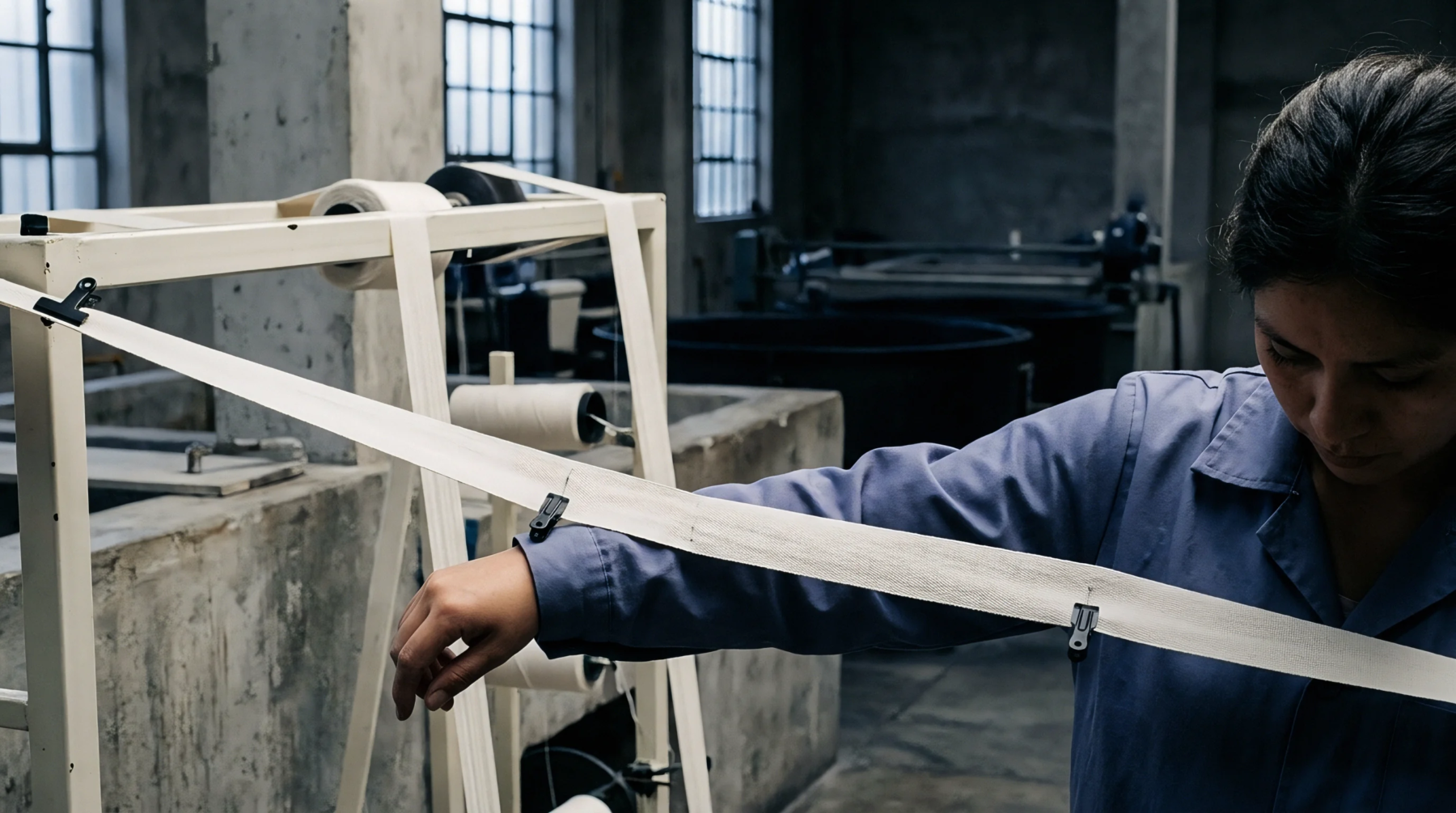
Physical verification of unprocessed textile filament provides the necessary data to determine production viability before chemical finishing or mechanical knitting begins. Greige yarn testing involves measuring linear density, tenacity, elongation, and coefficient of friction in the raw state. Laboratories perform these checks on randomized samples drawn from specific production lots to establish a baseline for quality consistency.
This inspection process confirms whether the input material conforms to the spinning parameters defined by the purchasing contract.
Structural Compliance
Uniformity of the filament defines the eventual integrity of the fabric produced during subsequent weaving or knitting cycles. Greige yarn testing monitors hairiness and imperfections such as neps or thick places that survive the drafting stage. Technicians isolate these variables to determine if the raw material meets the specified grade for commercial use.
The absence of contamination or moisture variances ensures that the conversion phase proceeds without unexpected line stops.
Evaluation Protocols
Standardized test methods require controlled atmospheric conditions to generate repeatable results for the mechanical performance of the filament. Greige yarn testing employs tension-based metrics to confirm that the material withstands the stress of high-speed textile machinery. Instruments measure the force required to break a sample relative to its mass, which defines the strength properties of the base fiber.
Variations in these measurements indicate potential failure points that require an immediate adjustment of production settings or supplier intervention.
Economic Significance
Accurate data gathered during the initial inspection stage governs the allocation of raw material for high-end or commodity applications. Greige yarn testing minimizes financial losses by preventing the processing of substandard filaments that lead to defective finished goods. This analytical checkpoint safeguards the supply chain by ensuring that the physical property profile remains aligned with the technical requirements of the final consumer product.