Hydraulic Resistance
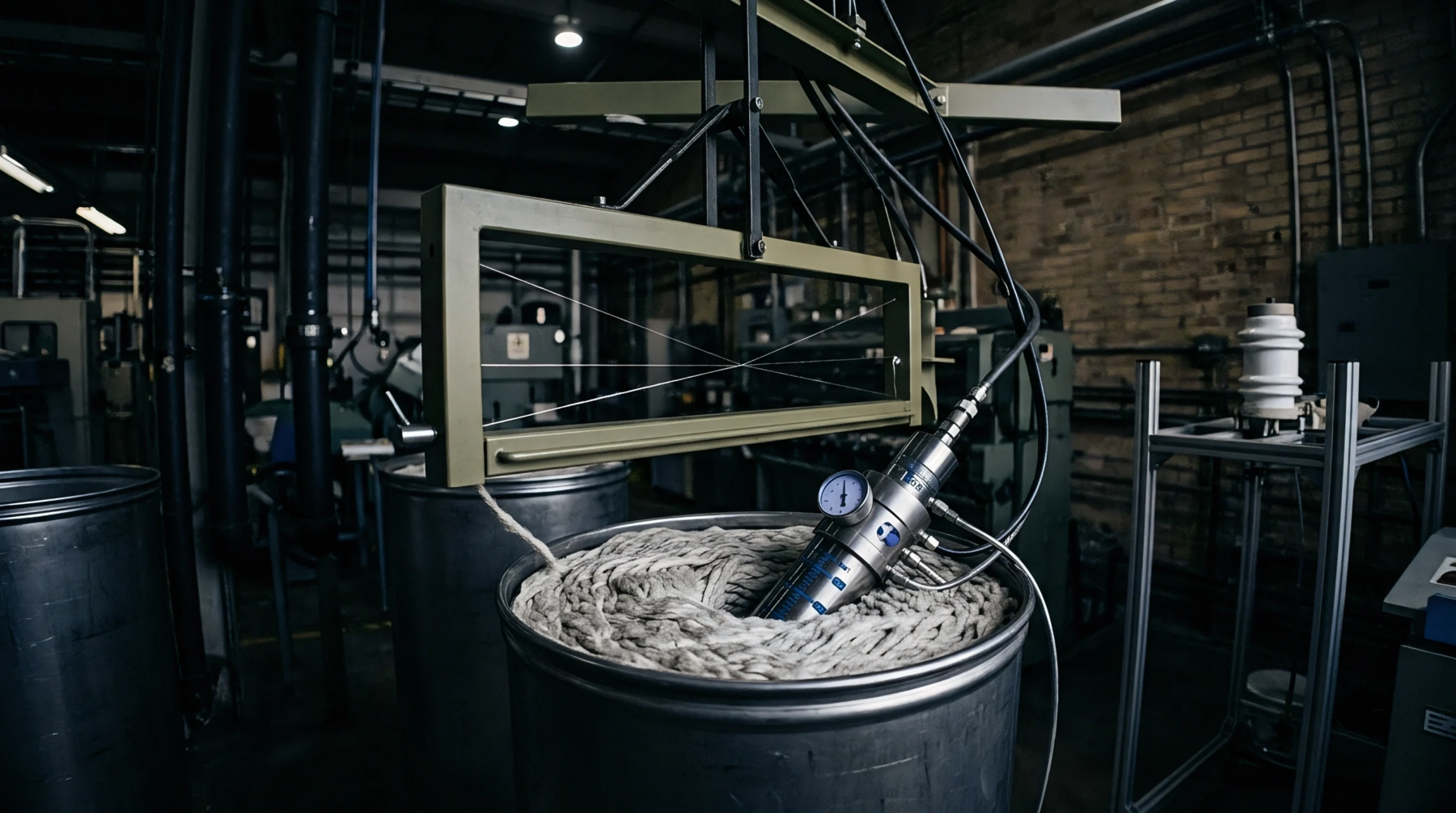
Hydraulic resistance against a pump impeller influences the discharge rate and flow consistency across compressed packaging. Managing the pump impeller backpressure prevents cavitation and maintains a steady rate of flow through high-resistance dye packages. This balance is necessary for the continuous circulation of the dye bath.
Flow Stability
Resistance increases as the fluid is forced through tightly wound yarn packages. When the pump impeller backpressure rises too high, the motor draws more current, and the flow rate through the package decreases. This reduction in flow rate means the dye liquor cannot reach the core of the yarn, causing uneven dyeing.
Monitoring this pressure differential allows the system to adjust the motor frequency before flow falls below the critical threshold. In some cases, the operator can reverse the flow direction to balance the pressure across the package.
System Protection
Mechanical stress on the pump assembly increases under extreme pressure conditions. High backpressure forces the impeller to work against greater resistance, which can bend the drive shaft or damage the internal seals. To prevent this, relief valves are installed to bypass a portion of the flow when resistance exceeds the design limits of the pump.
Processing Outcomes
Stable operating pressures are required to ensure that the dyeing cycle proceeds without interruption. If the pump impeller backpressure fluctuations are not controlled, the variable flow rate creates striped yarn batches. Modern mills use automatic pressure regulation to keep the backpressure within a tight tolerance, ensuring uniform shade development.