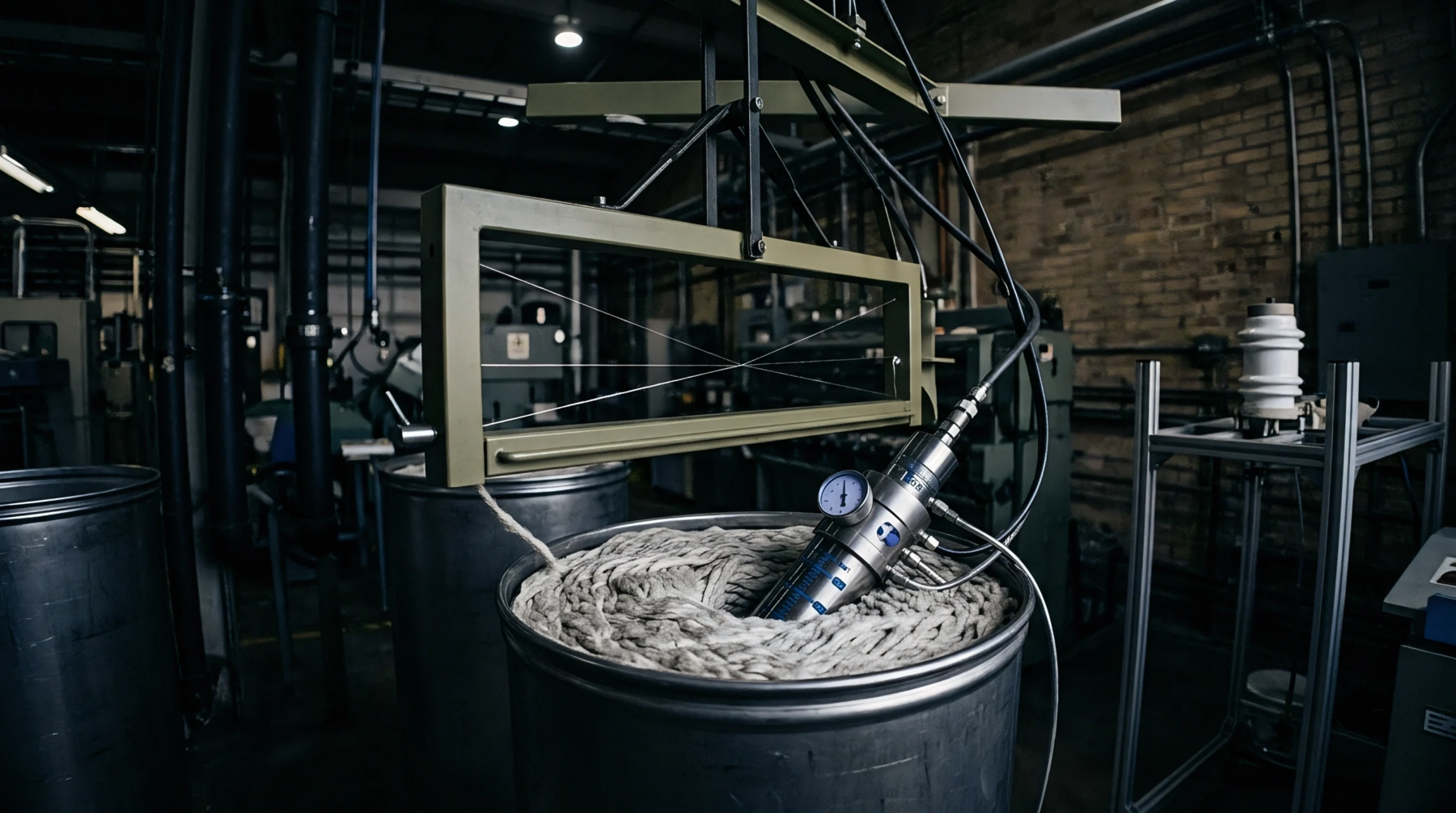
Fiber Proportion
The percentage of pure, spinnable cotton fiber obtained from a harvested bale after subtracting moisture and non-lint trash defines the batch yield. Knowing the raw lint content allows yarn spinners to calculate the true cost of the raw cotton before beginning the spinning process. This measurement separates the commercial value of the usable fiber from the weight of the waste material.
Laboratory Assessment
Mechanical fiber separators extract the trash from a weighed sample to isolate the clean cotton fibers for evaluation. In this test, the raw lint content is calculated by weighing the recovered fibers and comparing them to the starting sample weight. This standardized procedure prevents disputes between cotton growers and purchasing mills.
Spinning Yield
Low fiber ratios in the raw cotton force spinning mills to adjust their cleaning machinery to prevent excessive fiber loss. When raw lint content is low, the mill must process more raw material to achieve the desired yarn output volume, which increases the operating hours of the blowroom machinery. This increase in processing time raises energy consumption and labor costs per kilogram of finished yarn.
Purchasing Factor
Buyers use these yield calculations to negotiate bulk fiber contracts and establish fair raw material pricing.