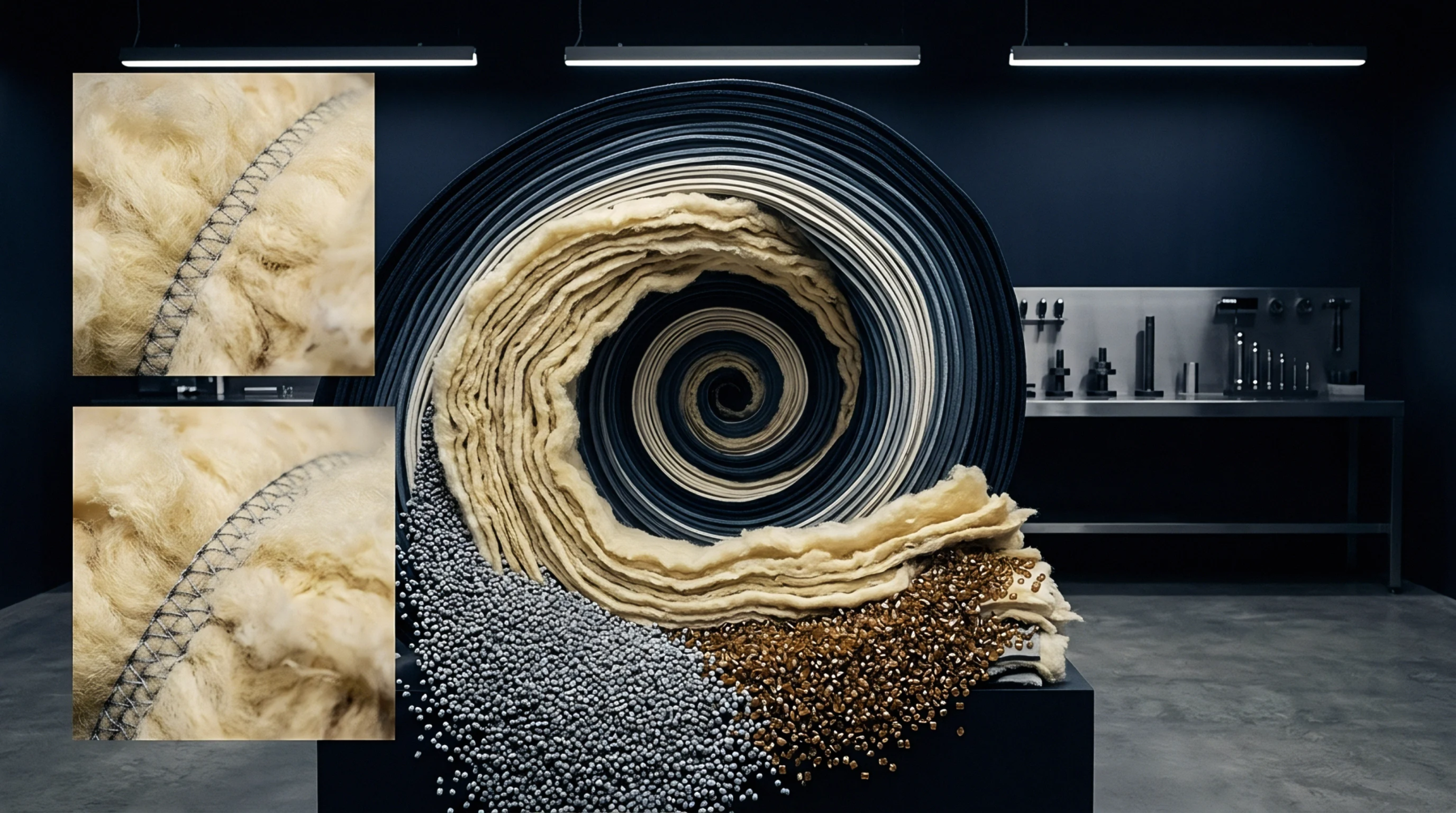
Sustainable Material
Luxury textile production utilizes reclaimed fibers from pre consumer waste or post consumer garments to reduce environmental impact. Sourcing recycled cashmere allows brands to offer circular knitwear that requires fewer raw materials than virgin fiber production. This soft, insulating material retains much of the thermal properties of the original animal fleece.
It provides a lower carbon footprint option for high end fashion collections.
Processing Technology
Garment mills begin the recycling process by sorting collected knitwear by color and mechanically shredding it back into loose fibers. Utilizing recycled cashmere involves blending these shorter, reclaimed fibers with a percentage of longer virgin wool or nylon to ensure sufficient yarn strength. This fiber blending is necessary because the tearing process breaks the delicate hair and reduces its average length.
The resulting hybrid yarn can then be spun and knitted into new soft goods.
Quality Assessment
Fine protein fibers lose some of their structural integrity and length during the mechanical garnetting process. Evaluating recycled cashmere requires the measurement of fiber length distribution and the percentage of broken tips. This physical inspection helps mills predict the pilling behavior and durability of the finished fabric.
It prevents the production of garments that shed or wear out prematurely.
Market Standardization
Global certification programs govern the traceability and labelling of recycled textile goods across the supply chain. Contracts specifying recycled cashmere require compliance with standards like the Global Recycled Standard to verify the origin and percentage of reclaimed material. This validation prevents greenwashing and ensures that consumers receive authentic recycled content in their garments.
It supports the transition toward more circular business models in the apparel industry. Testing laboratories use DNA analysis or microscopy to confirm that the fiber mix matches the claim on the commercial invoice.