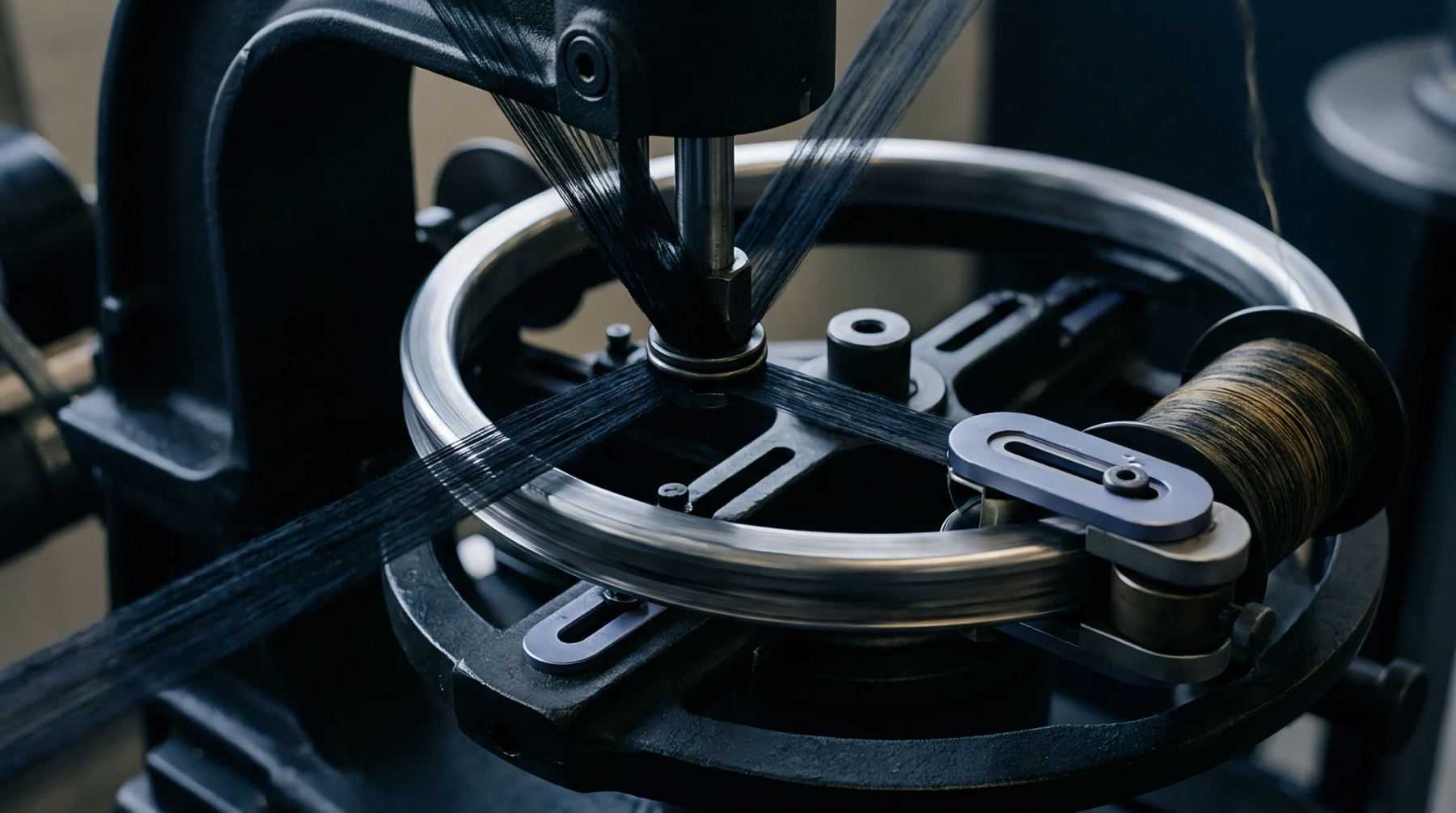
Extruded Feedstock
Discontinuous synthetic fibers manufactured from post-consumer polyethylene terephthalate flakes or post-industrial polymer waste provide a sustainable raw material for ring, rotor, and nonwoven processing lines. Melted and extruded into crimped, cut lengths, recycled polyester staple substitutes for virgin petroleum-derived polyester in apparel yarns, automotive carpets, and insulation batts. Post-consumer beverage bottles form the dominant supply feedstock, requiring mechanical sorting, intensive washing, flake grinding, and melt filtration to eliminate organic residues and mineral contaminants.
The recycling scope stops when mechanical degradation or thermal degradation breaks polymer chain lengths below the threshold needed for continuous melt spin stability.
Spinning Behaviour
Processing performance through carding and draw frames depends on batch-to-batch polymer consistency. Recycled polymer streams exhibit variations in intrinsic viscosity because previous thermal histories and varying flake sources alter molecular weight distributions. These viscosity variations cause differences in fiber diameter, tenacity, and mechanical crimp retention along the extruded tow.
During high-speed carding, irregular fiber crimp frequencies or residual solid particulate inclusions produce premature web breaks, nep formation, and increased roller lapping. Yarn spinning mills blend recycled staple bales with virgin polyester or carded cotton to equalize drafting resistance and minimize yarn hairiness.
Quality Difference
Purity variations separate post-consumer recycled fibers from prime virgin polyester materials. Solid particulate contamination, such as trace polyethylene cap materials, adhesive glues, and aluminum flakes, generates small defects that survive opening and carding. These inclusions decrease single-fiber breaking tenacity and introduce weak points that cause yarn breaks under high spinning tensions.
Recycled polyester exhibits altered dye uptake rates because varied thermal histories and chain-branching side reactions change polymer amorphous volume, forcing dyehouse operators to modify disperse dye heating profiles to avoid uneven color absorption.
Inspection Protocol
Quality verification relies on rigorous physical testing and chemical tracing protocols. Commercial buyers test incoming staple fiber bales for staple length distribution, linear density, crimp count, and tensile elongation according to established industry testing standards. Chain-of-custody tracking verifies recycled origin through isotopic testing, marker compounds, or certified documentation standards.
Chemical laboratories run intrinsic viscosity testing alongside gas chromatography mass spectrometry to verify that harmful legacy chemicals or heavy metals stay beneath regulatory limits before fiber lots release into apparel yarn spinning schedules.