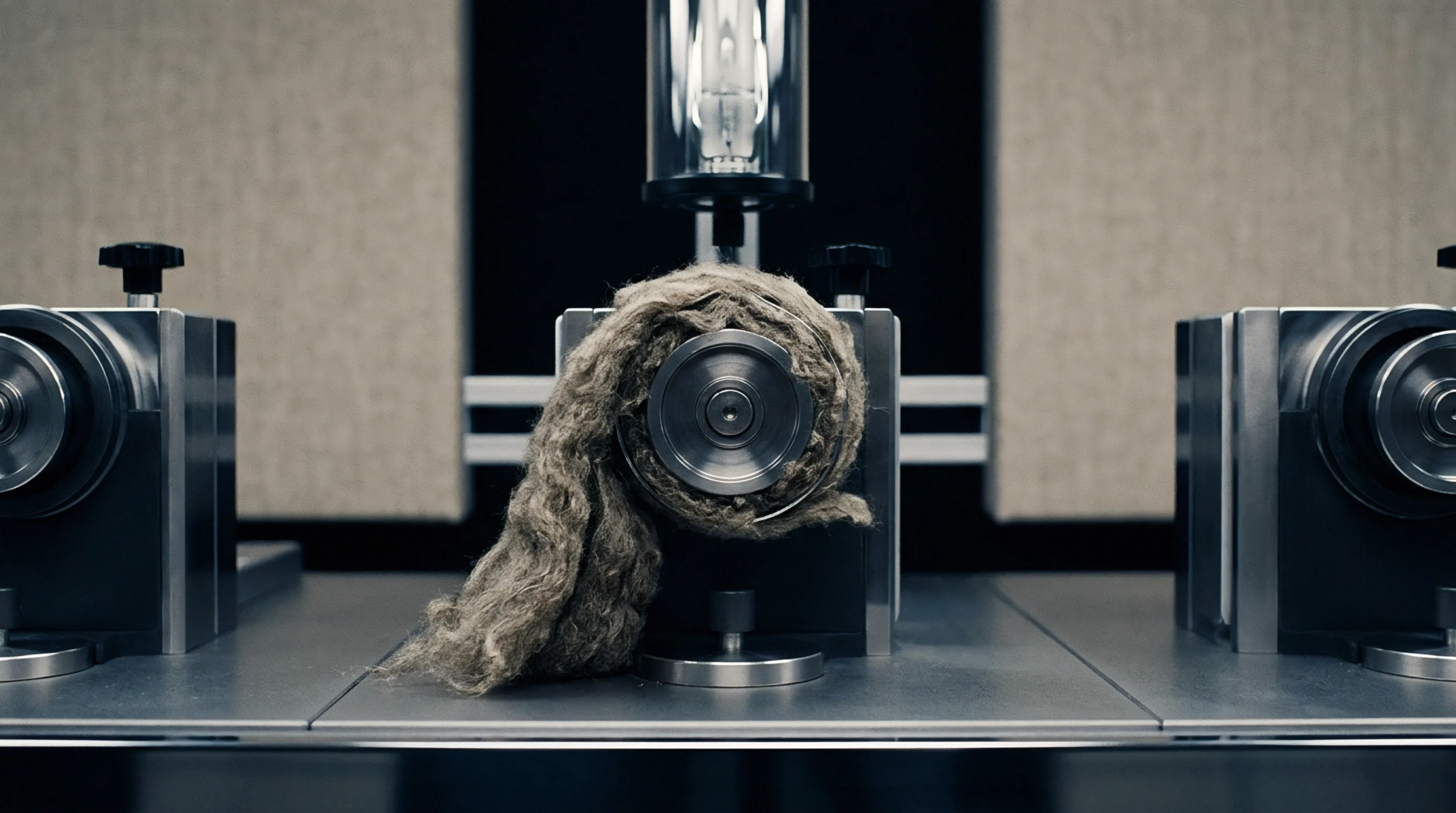
Byproduct Classification
Fibrous material stripped from the moving flats of a carding machine consists of short fibres, neps and microscopic trash that have been combed out of the fibre web. This material, termed revolving flat strips waste, represents the largest single category of waste generated during the carding process. It is removed by a comb or brush as the flats exit the working zone.
The quantity of this waste reflects the combing action of the machine.
Extraction Mechanism
The separation occurs because short fibres and neps do not penetrate deep into the cylinder wire and are instead caught by the wire on the flats. As the flats move slowly, they carry the revolving flat strips waste away from the active carding zone, where it is stripped and collected. Technicians adjust the speed of the flats and the setting of the front comb to control the volume of this extraction.
Faster flat speeds increase the amount of waste generated.
Valuation Recovery
Although this material is classified as waste, it has a higher market value than other carding byproducts because it consists of relatively clean cotton. Open-end spinning mills buy revolving flat strips waste to blend with lower-grade virgin cotton for producing coarse utility yarns. This recycling practice reduces raw material costs for low-count yarn manufacturers and decreases waste in the supply chain.
In some cases, the waste is processed through a secondary cleaner to reclaim the spinnable fibres before selling the residue. These commercial strategies depend on the price spread between virgin cotton and carding waste.
Quality Control
Spinning laboratories monitor the percentage of flat strips to ensure that the card is not extracting too many long fibres. Correct adjustment of the front plate is checked using gravimetric analysis of the strip samples.