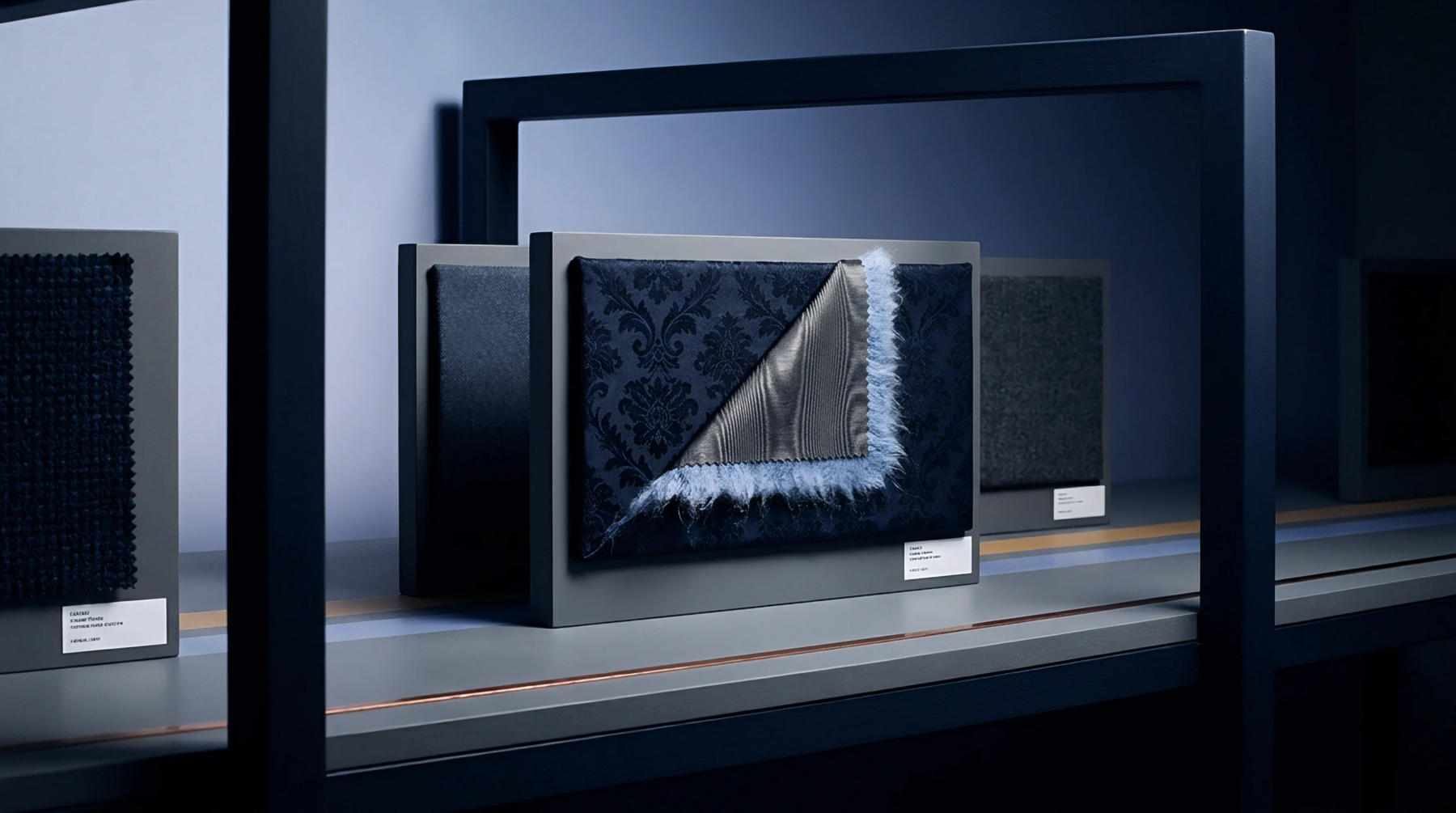
Fabric Alignment Defect
Angular distortion in woven textiles occurs when the filling yarns do not run at a perfect right angle to the longitudinal edges of the cloth. This condition of selvedge bias is often the result of uneven tension during the winding of the warp beam or the take up of the fabric on the loom. It creates a skewed appearance that is difficult to correct during subsequent finishing processes.
Production Cause
High speed weaving machines can introduce this error if the fabric is pulled more strongly on one side than the other. Variations in the moisture content of the yarns or the presence of static electricity can also contribute to the development of selvedge bias. Mechanical misalignments in the tentering frame during the drying of the fabric are another common source of this distortion.
Correcting the alignment of the rollers and ensuring even pressure across the width of the machine can reduce the occurrence of this defect.
Measurement Method
Technicians verify the presence of this defect by placing a large square on the fabric and measuring the distance between the actual path of the weft and the theoretical perpendicular line. The degree of selvedge bias is usually expressed as a percentage of the total fabric width or as a specific angle. Small amounts of skewing are often acceptable but large deviations require the fabric to be re processed.
Downstream Impact
Cutting a garment from fabric that contains this defect leads to twisted legs in trousers or skewed side seams in shirts. Because the yarns are not aligned with the grain line of the pattern, the finished item will not hang correctly on the body. Managing selvedge bias is a critical requirement for maintaining the structural integrity of high end apparel.