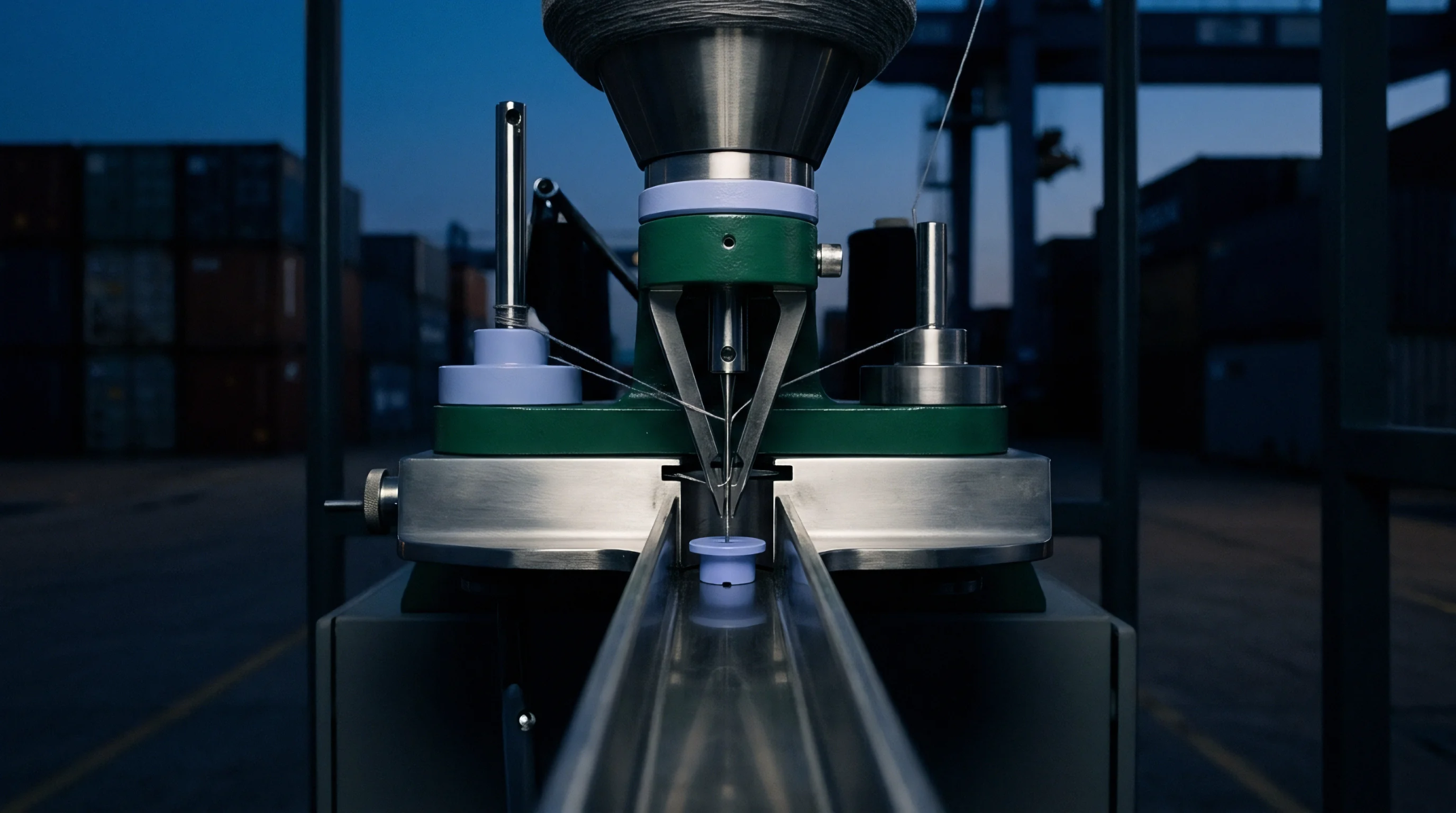
Processing Vessel
Enclosed fabric transport channels within wet processing machinery convey delicate knitted or woven fabric ropes under low tensile stress using surrounding liquid dye streams. A soft-flow chamber houses the fabric rope as it exits the overflow nozzle, providing a gentle hydraulic transport tube that minimizes mechanical abrasion and fabric stretch. In soft-flow dyeing equipment, pressurized liquor jets carry the fabric loop through the tube without relying on high-velocity mechanical winches.
This low-impact hydraulic environment protects sensitive fiber surfaces, such as micro-modal or viscose blends, from pilling and surface fuzziness. The vessel component defines the physical fabric passage zone, leaving dye bath heating and chemical dosing to auxiliary circulation systems.
Transport Drive
Dynamic fluid flow moving through the transport tube carries the fabric rope smoothly without high mechanical friction. In a soft-flow chamber, liquid volume cushions the fabric against metallic vessel walls, preventing surface friction marks and crease formation. Hydrodynamic propulsion eliminates high-tension pulling forces that distort knit fabric loop structures during long dyeing cycles.
Tension Reduction
Relaxed fabric transport prevents longitudinal stretching of elastomeric blend fabrics during elevated temperature processing. The soft-flow chamber allows tension-free relaxation of synthetic fibers, preserving original dimensional stability and fabric elasticity specifications. Controlled fabric dwell time inside the transport tube guarantees complete stress relaxation prior to washing sequences.
Liquor Contact
Thorough flooding of the fabric transport passage maximizes liquid-to-fiber contact area during dye bath circulation. A soft-flow chamber ensures rapid dyestuff exchange between moving liquor and passing fabric ropes, promoting even dye exhaust. Proper chamber design maintains uniform liquor ratio conditions without generating excessive surface foam.