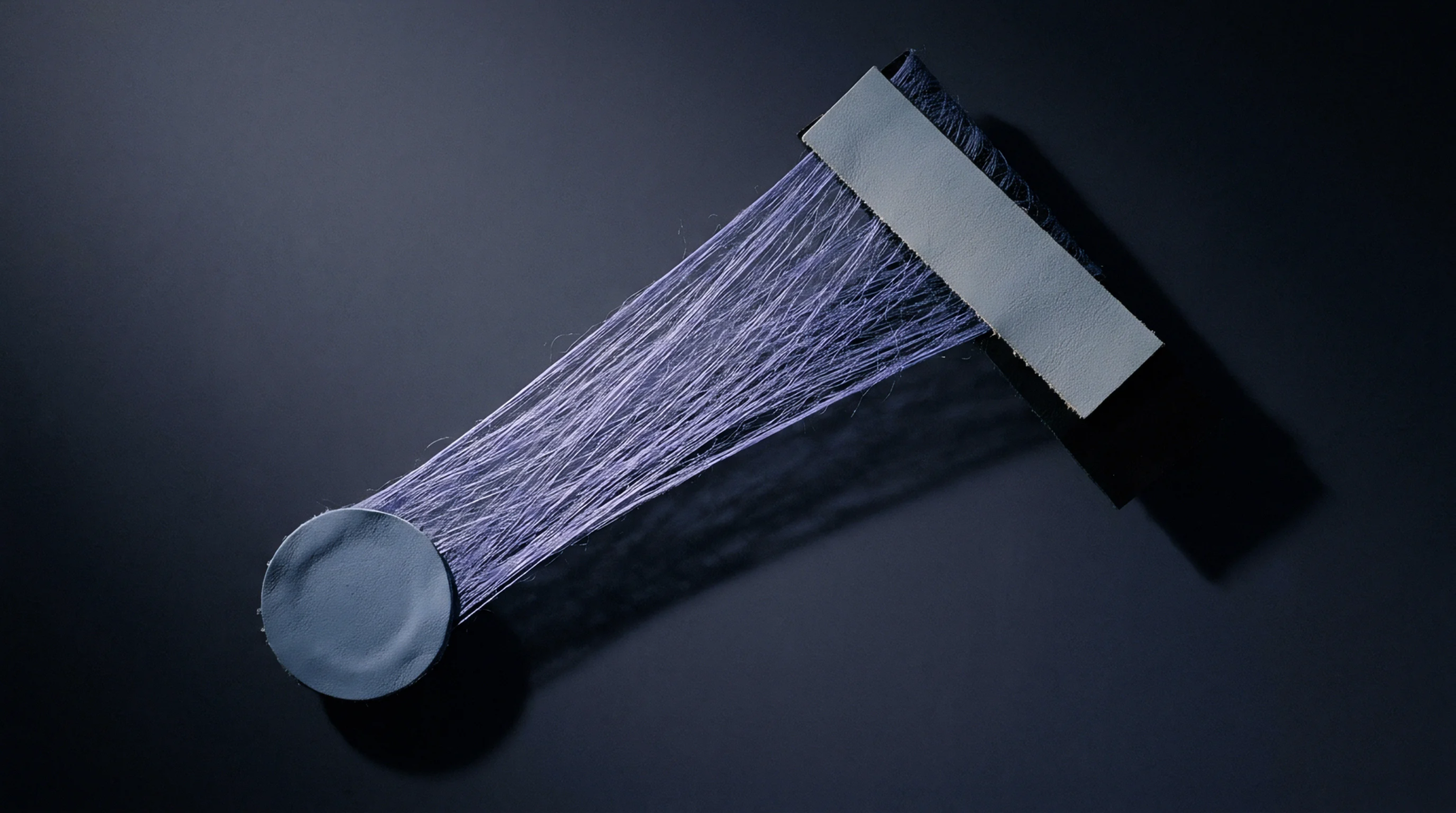
Density Control
Synthetic polymer density can be altered during extrusion to produce lightweight or high-bulk fibres for specialized apparel. This chemical and physical process, known as specific gravity modification, is usually achieved by introducing micro-hollow sections or blending lighter polymers. The resulting fibres yield fabrics that provide excellent thermal insulation without adding physical weight to the garment.
Extrusion Strategy
Melt spinning with profiled spinneret orifices creates hollow filaments that trap dead air within their cores. Alternatively, blending polypropylene with polyester during the compounding stage reduces the overall density of the polymer matrix. These methods change the physical weight of the yarn while maintaining its structural and mechanical integrity during subsequent texturizing and knitting processes.
Apparel Performance
Garments made from these modified fibres are ideal for outdoor sportswear, thermal underwear and active clothing. They dry much faster than standard synthetic fabrics because the reduced polymer mass absorbs less moisture.
Quality Verification
Laboratory technicians verify the results using a density gradient column or buoyancy tests in different liquid media. Maintaining the target density ensures consistent dyeing behaviour and texture across different production lots. This verification step prevents issues where different fabric batches display noticeable differences in weight or hand.