Thermal Process
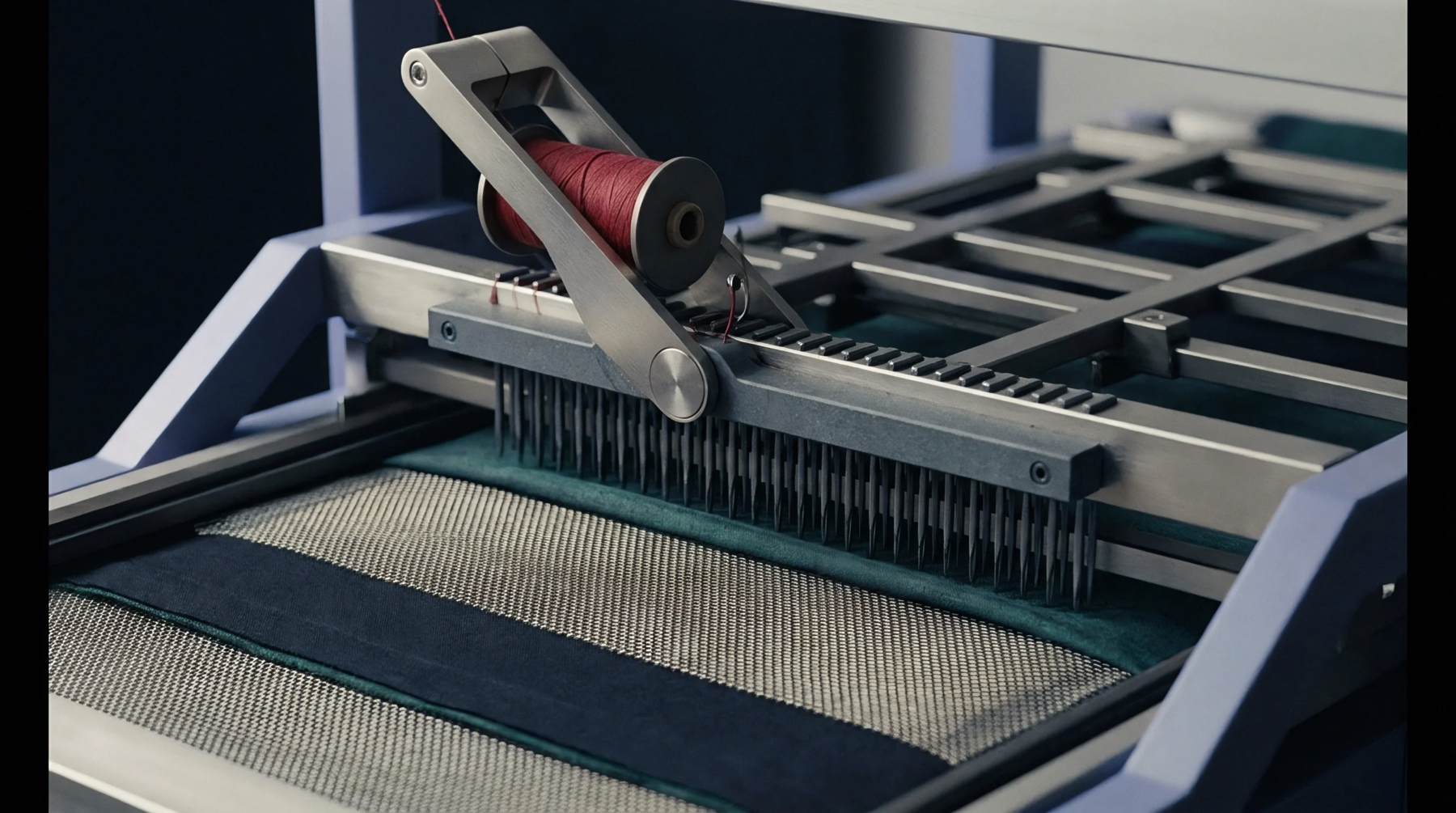
The stage of textile finishing where a fabric is run through a heated oven with controlled overfeed allows the yarns to shrink and de-stress. This stenter relaxation releases the internal forces built up during prior mechanical operations. It is the standard process for stabilizing woven and knitted goods before cutting.
Stress Relief
During knitting or weaving, yarns are kept under high tension, which deforms their molecular structures. When the fabric is wetted and then heated in the stenter, these temporary stresses are released. The stenter relaxation process allows the fiber molecules to return to their lowest energy state.
This restructuring stabilizes the yarn loops or weave crossings in their natural dimensions.
Operational Parameter
Operators control the degree of relaxation by adjusting the chamber temperature and the fabric speed through the machine. The overfeed rate is typically set between five and fifteen percent to facilitate the shrinkage. Hot air circulating inside the chambers transfers energy to the wet fabric, drying it while it shrinks.
This requires a balanced feed rate to prevent fabric fluttering or uneven drying.
Fabric Quality
Complete relaxation in the stenter reduces the residual shrinkage of the fabric to less than five percent. This ensures that garments sewn from the fabric will not change dimensions during home laundering. It also improves the hand feel and drape of the finished material.