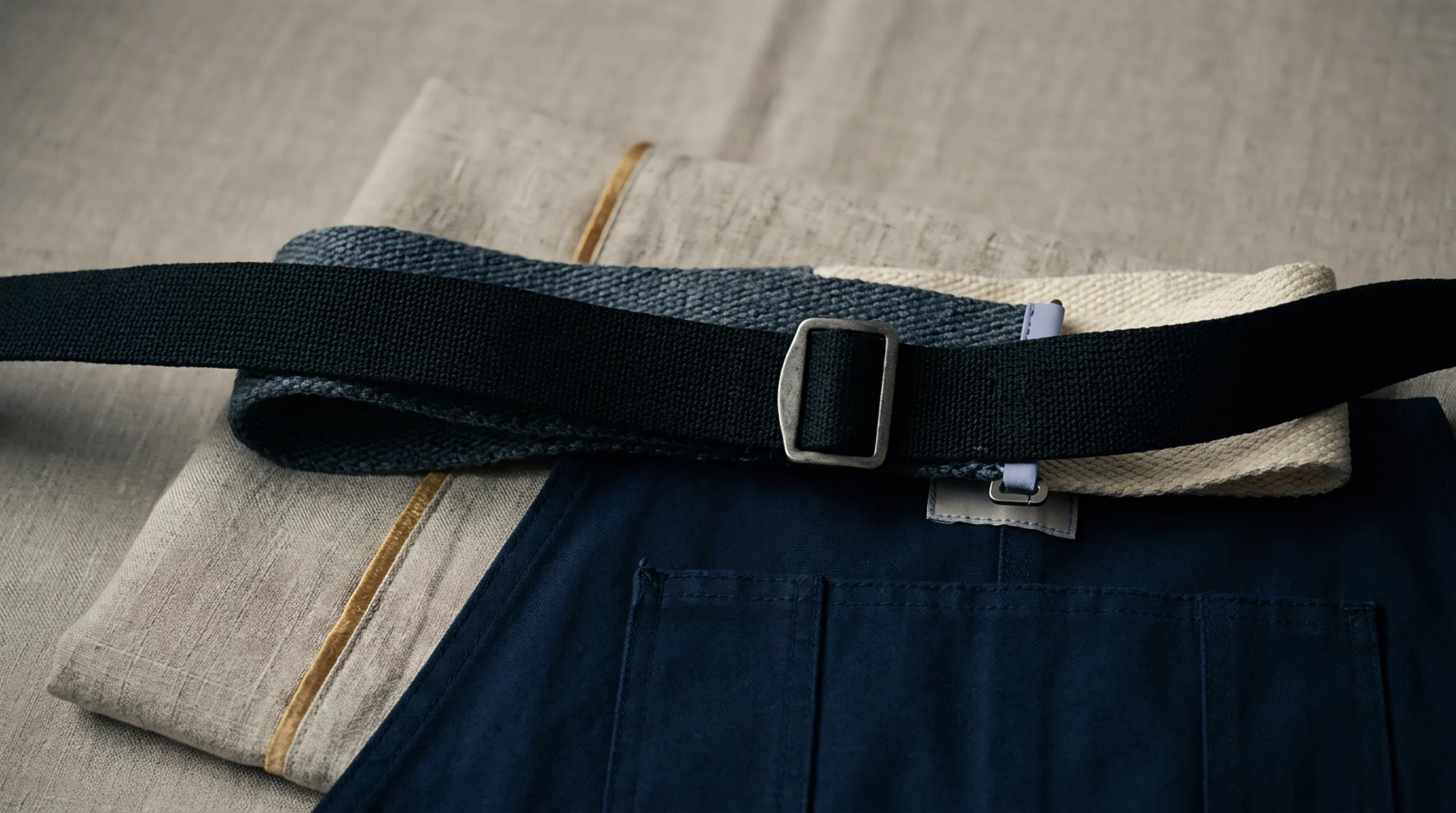
Cotton Polyester Blended Yarn Mechanics in High Density Workwear Weaving
65/35 poly-cotton workwear performance relies on ring twist multipliers near 4.4 and early shed timing to maximize warp cover factor without pilling failure.
The accumulation of electric potential on the face of a fabric happens when two surfaces rub together and then separate during normal use. This static electrification occurs most frequently in synthetic materials like polyester or nylon where low moisture regain prevents the easy dispersal of the charge. It describes the numeric build up of kilovolts that can result in an uncomfortable shock for the wearer or cause the garment to cling to other layers of clothing.
In industrial settings, this phenomenon can ignite flammable gases or cause small fabric pieces to jump out of alignment during the folding sequence. Technicians test this by measuring the rate of charge decay after an external voltage is applied to the cloth under standard conditions. Ensuring that the surface energy remains low improves consumer satisfaction by preventing unwanted physical interactions with the skin.
Managing the humidity levels in the mill and the retail store plays a huge part in limiting the intensity of the spark buildup. Static electrification is at its highest in dry winter climates where there is not enough water in the air to ground the excess electrons on the textile surface. High volume mills use topical anti static agents like surfactants or metal based threads to create a pathway for the charge to leave the material.
These chemical additions are padded onto the cloth during the final finishing sequence and verified by measuring the surface resistivity. If the moisture level of the fabric drops below four percent, the resistance will climb rapidly and allow high levels of charge to persist for minutes. Analysts monitor the durability of these finishes by checking the decay rate after multiple wash cycles to see if the chemical layer remains active.
Maintaining the ionic balance of the fabric finish protects sensitive electronic equipment in workplaces where these garments are worn.
Rapid movement of cloth through high speed folding machines or industrial cutters triggers these electrical events during the late stages of production. High static electrification results in fabric rolls that become magnetized to the machine frame or cause dust to adhere to the finished surface in thick layers. Mill personnel ground their machinery to avoid build up, but the textile itself often retains enough charge to shock workers who handle the goods.
This issue is particularly dangerous when working with highly flammable finishing oils or solvents in the dyehouse area. Supervisors adjust the application of softening agents that include conductive molecules to create a more stable material handle. Reports from the quality department specify the peak kilovolt reading reached under high friction tests to establish the safety category of the product.
Eliminating these random discharges at the source improves productivity by reducing the amount of manual intervention required at the stenter exit.
Standardized reports must show that the material complies with specific international rules for flame safety and electronic component manufacturing. Verification of static electrification involves checking the half life of the charge decay to ensure it drops to zero within the agreed number of seconds. If the fabric fails these tests, it is forbidden for use in medical or hazardous industrial environments where sparks cause equipment failure.
Independent labs verify these results at both high and low humidity levels to see the performance profile across diverse global markets. Consistent performance in these tests indicates that the fibre blending and the chemical application steps were executed correctly. Reports provide buyers with the technical confidence that their uniforms or protective gear will function without interruption in cold or arid zones.
A stable finish is the required evidence of a high quality manufacturing cycle for technical apparel.
65/35 poly-cotton workwear performance relies on ring twist multipliers near 4.4 and early shed timing to maximize warp cover factor without pilling failure.
Expertise is a utility, not a secret. sentiention™ publishes its working knowledge as open reference: intelligence layer covering the materials it sources, the markets it enters, and the reference that serves both.