Crystalline Stabilization
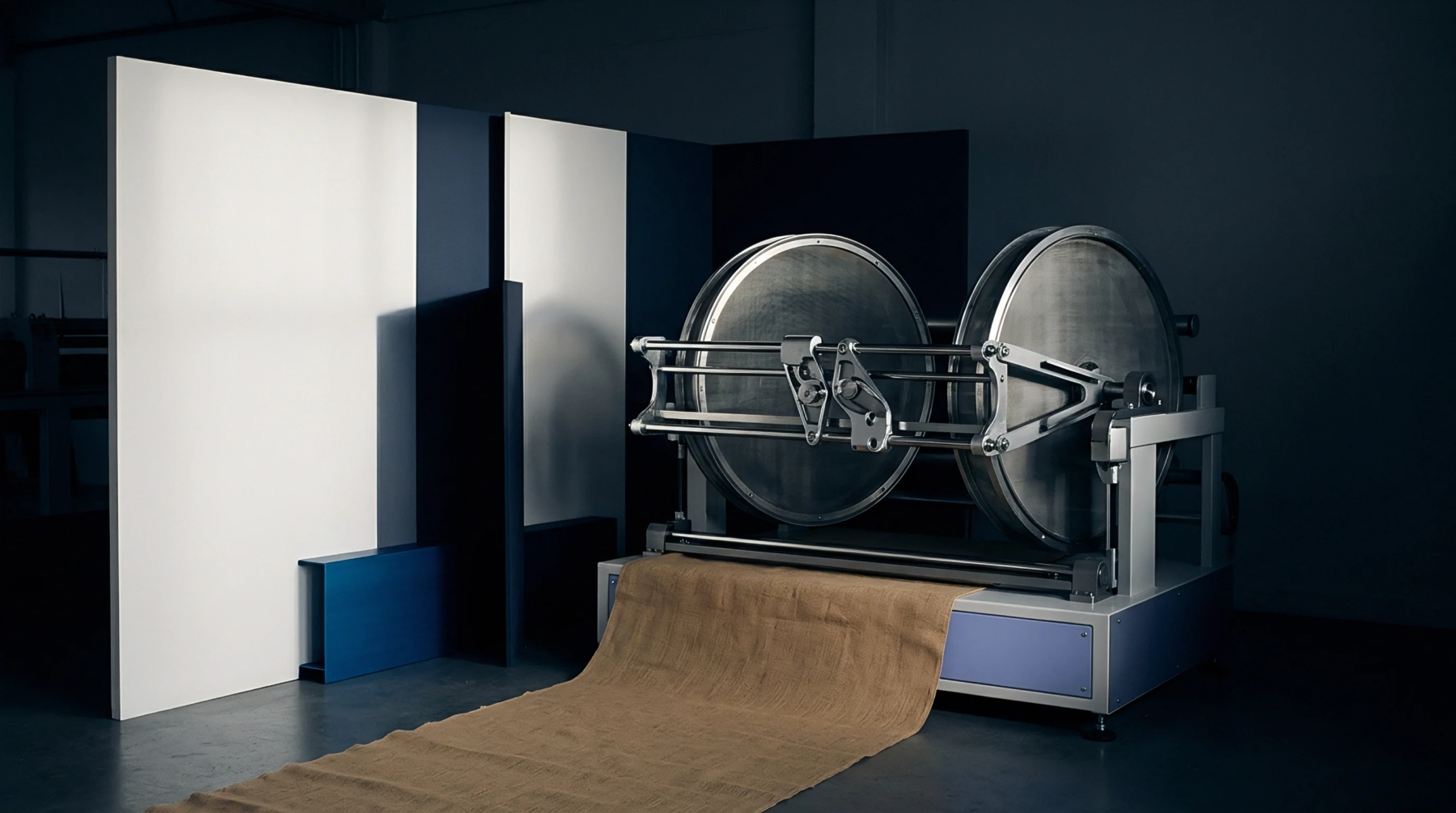
Heat treatment of synthetic fibers under controlled tension reorganizes the polymer chains to lock the material into a stable crystalline structure. This industrial process is thermal heat setting, and it is applied to polyester, nylon, and elastane fabrics to prevent them from shrinking or wrinkling in subsequent processing or washing. It establishes the permanent dimensional characteristics of the textile.
Polymer Fixation
Temperatures must exceed the glass transition temperature of the polymer to allow the molecular chains to move and reform their crystalline bonds. The fabric is held at this high temperature for a specified time, typically between twenty and forty seconds on a stenter frame. For polyester, the treatment is conducted at approximately one hundred and ninety degrees Celsius to lock the fiber structure, which prevents the material from puckering during home laundering.
Dimensional Resistance
Locking the fiber shape ensures that the fabric does not distort during subsequent high-temperature operations like dyeing or printing. It also prevents the fabric from curling at the edges, which is a common problem in lightweight knit goods. This stabilization is essential for smooth garment cutting and sewing.
Process Parameter
Speed, temperature, and air circulation must be monitored to ensure even heating across the entire width of the fabric roll. Inadequate heating results in poor dimensional stability, while excessive temperatures can melt the fibers or degrade the dyes. This balance is checked by measuring the hot-air shrinkage of the finished fabric.