Thermal Breakdown
Irreversible damage to polymer structure happens when high temperatures and mechanical forces act together on synthetic fibres during industrial processing. Specifically, thermal stress degradation represents the breakdown of the molecular chains under the influence of heat and tension. This joint action causes rapid loss of mechanical properties in polyester, polyamide, or elastomeric fabrics.
Process Heat
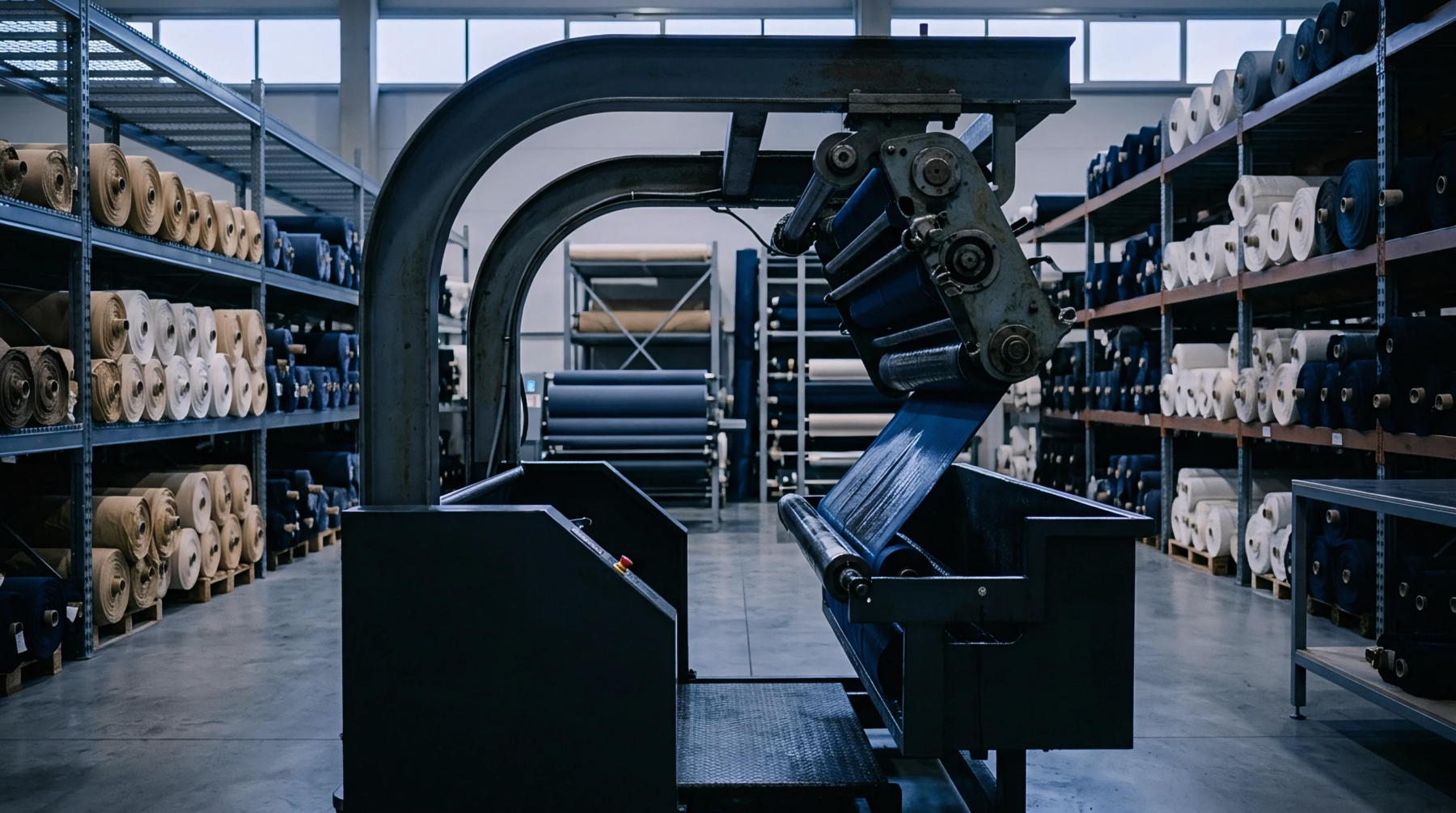
Heat setting and curing stages expose fabrics to high temperatures while keeping them under tension to control dimensions. Under these conditions, the polymer chains are stretched and have higher kinetic energy, which makes them more vulnerable to oxidation or thermal cleavage. The presence of oxygen in stenter ovens further accelerates the degradation of the polymer.
Chain scission and crosslinking occur simultaneously, which alters the physical nature of the fibres.
Fabric Damage
Garments made from degraded yarns suffer from reduced tensile strength, brittle textures, and poor dyeability. The fabric feels stiff and displays a yellowed appearance that cannot be removed by bleaching. Uneven tension across the stenter width leads to variable degradation, creating streaks and band patterns in the dyed cloth.
Standard tear testing of the processed fabric reveals localized areas of extreme weakness. This damage often occurs if oven dwell times exceed specified limits.
Industrial Safety
Precise monitoring of oven temperatures and line speeds protects synthetic fabrics from excessive thermal loading. Installing automated temperature controls in stenter lines ensures that process limits are never exceeded during curing.