Polymer Class
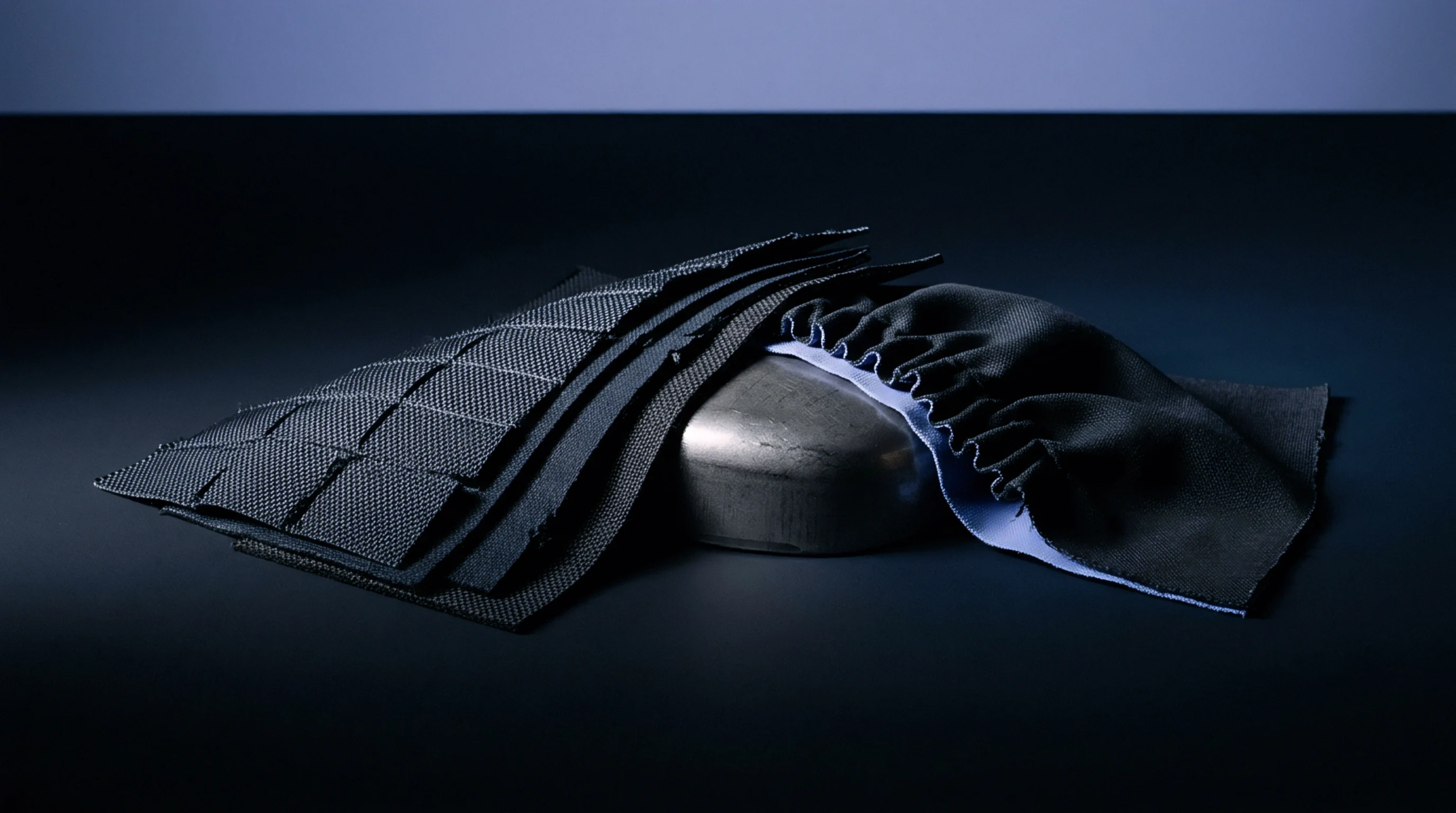
Elastic copolymer combines the durability of polyurethane with the processing ease of a heat-sensitive plastic. In the garment industry, thermoplastic polyurethane acts as a material for seam sealing tapes, waterproof membranes, thermal adhesives and flexible logos. This material can be melted and reformed multiple times without losing its mechanical properties.
Performance Characteristic
High abrasion resistance and excellent low-temperature flexibility distinguish this polymer from cheaper vinyl alternatives. Because thermoplastic polyurethane contains no plasticisers, it does not become brittle over time or leach chemicals onto the skin. This stability makes it the standard choice for high-end outdoor performance gear.
Application Method
Heat presses or extruders bond the material to a textile substrate in a matter of seconds. When a factory applies a film of thermoplastic polyurethane to a nylon ripstop, the bond is created by melting the interface between the two layers. This fusion creates a permanent, waterproof seal that remains flexible during intense physical activity.
Unlike solvent-based coatings, this thermal process is relatively clean and produces minimal waste. The speed of application allows for high-volume production of technical apparel. This efficiency is why the material dominates the footwear and athletic markets.
Recycling Capability
Circular manufacturing models benefit from the meltable nature of this resin. Scraps of thermoplastic polyurethane from the cutting floor can be reground and injected into new components. This ability to reuse the material reduces the overall environmental impact of the production line.