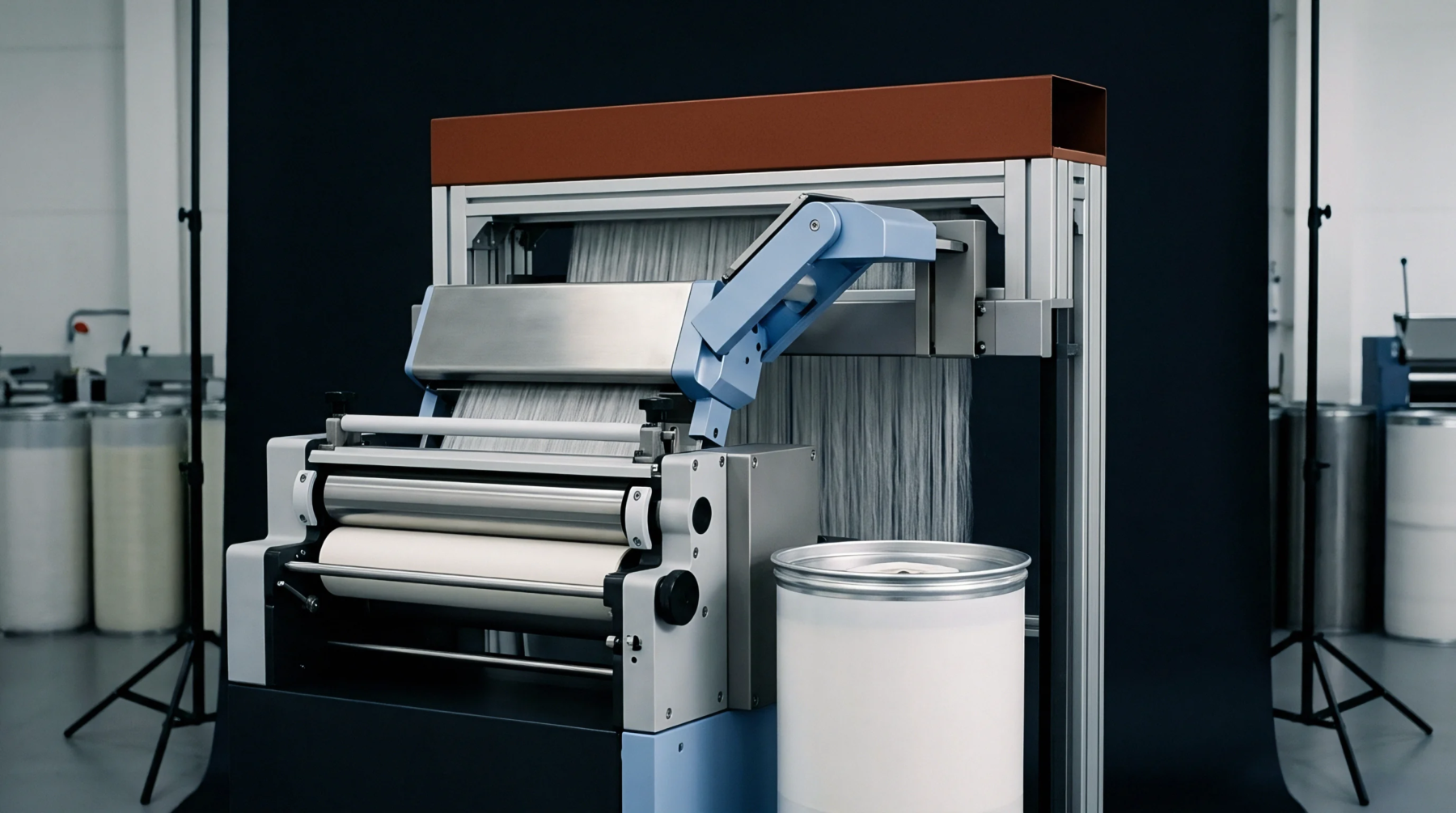
Continuous Fixation
Continuous heat fixation occurs within a specialized range for the dry treatment of dyes and the stabilizing of synthetic fabrics. The thermosol line is used primarily for polyester and its blends, where the fabric passes through a series of infrared heaters and hot air chambers. This process allows the dye molecules to diffuse into the softened fiber structure for permanent coloration.
Machine Sequence
The material first enters a padder to receive the dye liquor before moving into a pre-dryer. Inside the thermosol line, the temperature reaches a point where the synthetic fibers become receptive to the pigment, typically around two hundred degrees Celsius. Cooling rollers then bring the fabric back to room temperature to lock the dye in place.
This high-temperature environment is essential for the dye to migrate from the surface into the core of the polyester fiber, ensuring that the finished product does not fade.
Operational Control
Uniform heat distribution across the width of the machine is necessary to prevent shading variations. If the thermosol line experiences a temperature drop on one side, the resulting fabric will show a color difference known as listing. Sensors monitor the air velocity and dwell time to ensure every meter of cloth receives the same energy input.
Finish Application
Chemical agents for soil release or water repellency can sometimes be cured simultaneously with the dyeing process. Utilizing the thermosol line for multiple functions improves the throughput of the mill and reduces the number of drying cycles. The final outcome is a fabric with high colorfastness and stable dimensions.