Thermal Regulation
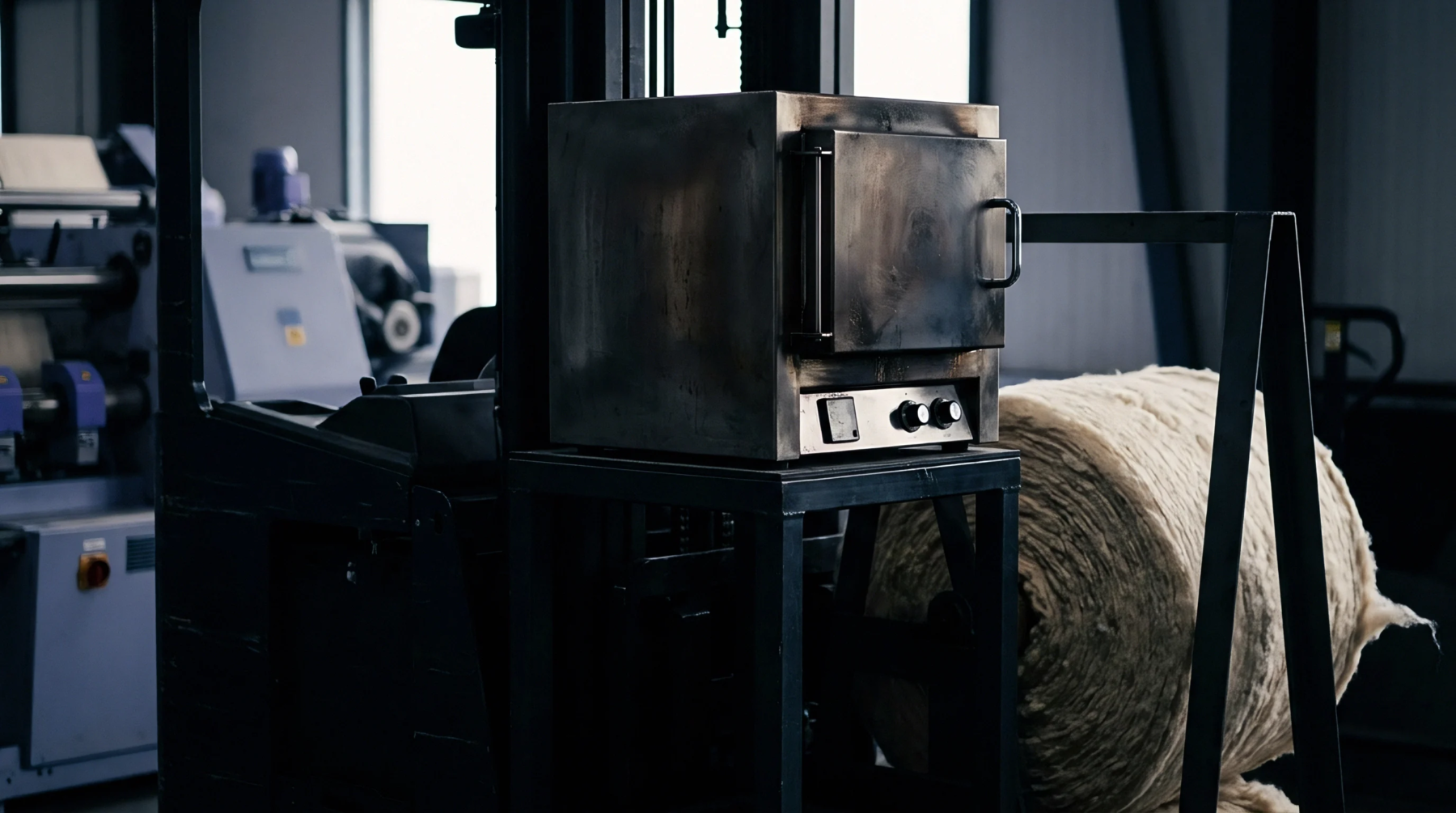
Heat transfer liquid containers maintain precise liquid temperatures to ensure stable conditions for chemical testing or quality control in textile laboratories. A thermostatic bath utilizes a sensor linked to a heater and circulator to keep the fluid within a narrow tolerance of the target setpoint. Laboratories rely on these units for consistent extraction processes, colorfastness evaluations, and viscosity measurements on polymer samples.
Operators submerge beakers or flasks directly into the water or oil to achieve uniform thermal equilibrium across the sample volume.
Operational Precision
Stability depends on the circulation efficiency and the sensor feedback rate. Rapid fluid movement minimizes local temperature gradients that would otherwise skew laboratory results during sensitive tests. Proper calibration against a certified reference thermometer confirms the accuracy of the displayed digital readout.
Calibration Procedure
Verification requires checking the deviation at multiple points across the operating range. Technicians record the difference between the bath setting and the actual internal fluid temperature measured by a secondary probe. Consistent performance over repeated cycles indicates the health of the heating elements and the reliability of the control board logic.
Maintenance Requirement
Periodic cleaning of the heating coils and circulation pump housing prevents the accumulation of scale or contaminants that interfere with heat exchange. Fluid levels must remain constant to avoid overheating the heating elements or triggering a low liquid safety shutdown. Regular inspection of seals and gaskets protects the electronic components from moisture ingress and maintains the unit in a functional state for long duration testing.