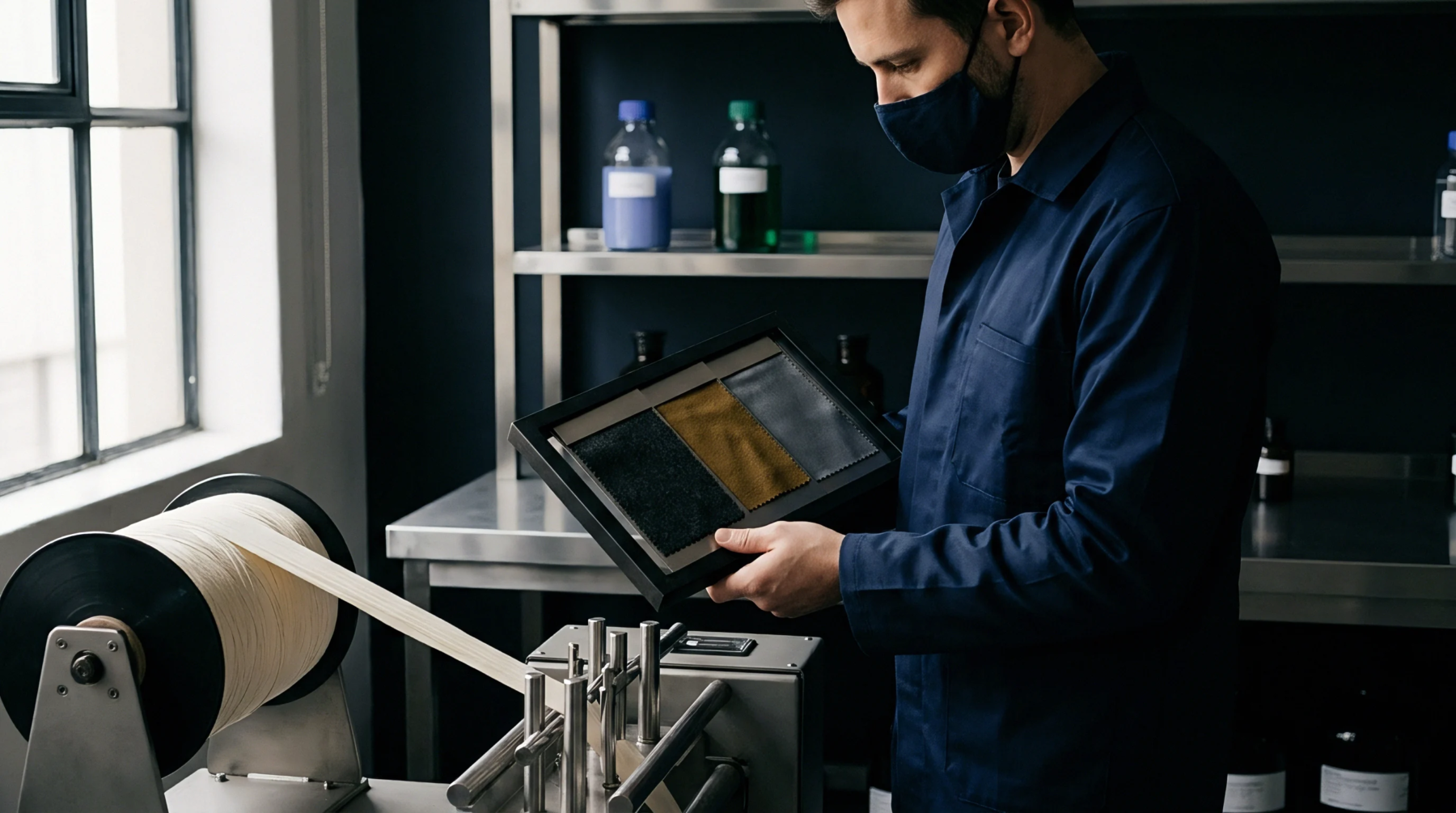
Quality Certification
Quality control programs in the apparel industry rely on independent, certified facilities to verify the performance and safety of fabrics. The third-party laboratory accreditation is a formal recognition that a testing facility has the technical competence to perform specific textile tests according to international standards. This certification is awarded by authorized bodies after a thorough audit of the lab’s equipment and staff.
Testing Standard
Accredited laboratories must follow strict guidelines, such as the ISO 17025 standard, to ensure their testing methods are reliable and consistent. This third-party laboratory accreditation ensures that the lab’s equipment is calibrated, that the test environment’s temperature and humidity are controlled, and that all test procedures are followed precisely. This standardization ensures that a test run in one country can be replicated in another.
Competency Verification
Authorized accreditation bodies conduct regular audits and round-robin testing to monitor the laboratory’s performance over time. To maintain their third-party laboratory accreditation, the lab’s technicians must demonstrate their skills and the facility must pass regular proficiency tests. This continuous checking ensures that the laboratory remains capable of delivering highly accurate results for fiber content, shrinkage, and lead levels.
Retail Approval
Major retail brands and customs authorities only accept test reports from facilities that hold this certified status. By insisting on a third-party laboratory accreditation for all pre-production tests, brands can be sure that their garments meet all safety and performance standards. This requirement prevents factories from using internal, non-certified test reports to bypass compliance checks, protecting the brand from legal risk and product recalls.