Flow Class
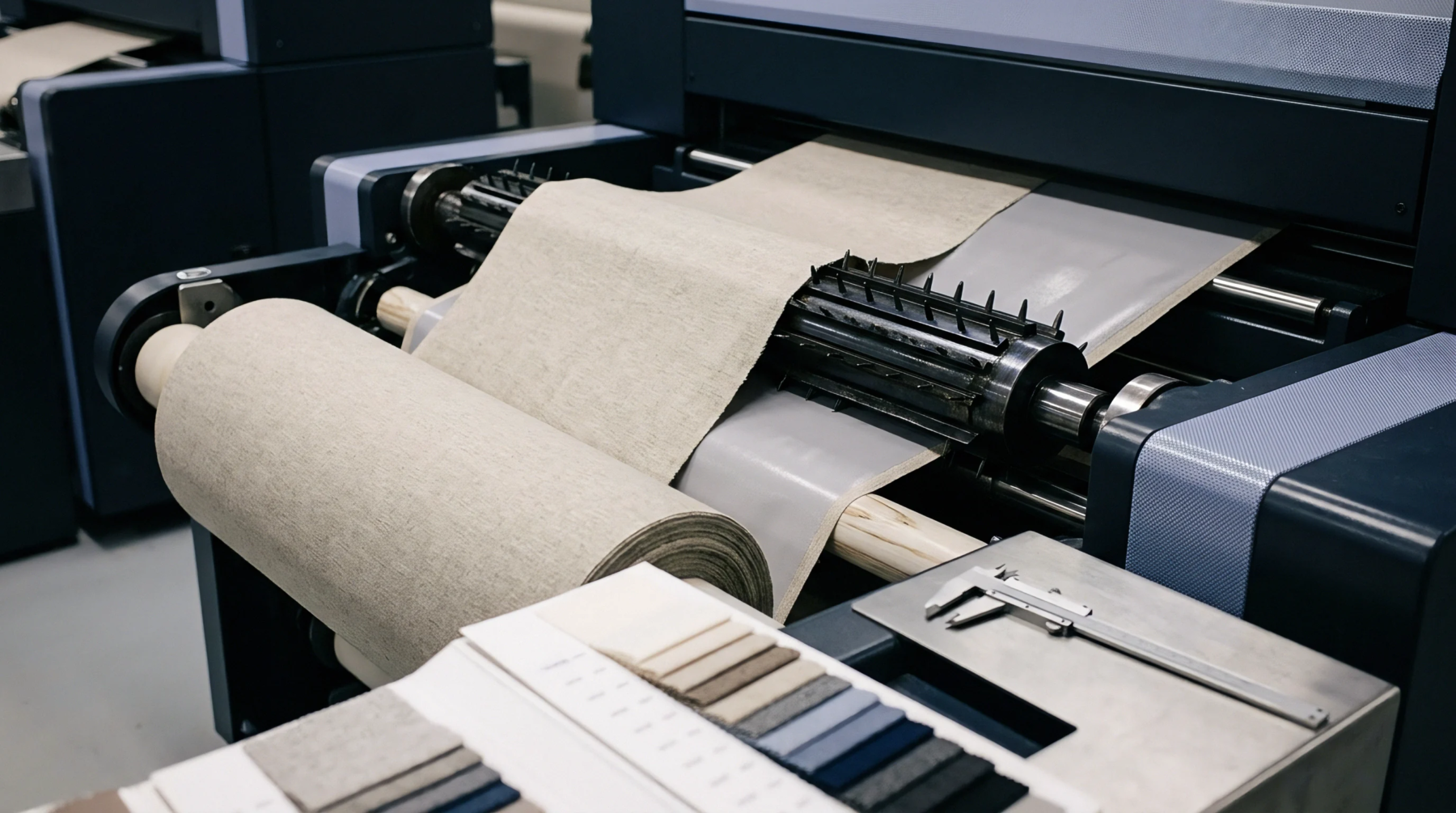
Shear-responsive paste decreases its viscosity under mechanical agitation and recovers its thickness when the force is removed. A thixotropic print paste is used in rotary screen printing to ensure that the dye remains thick in the supply tanks but becomes thin when squeezed through the screen mesh. This behavior prevents the print paste from running or dripping between applications.
It is essential for high-definition print designs.
Screen Passage
High shear force is applied by the squeegee to push the paste through the screen holes. Under this pressure, the thixotropic print paste flows like liquid to cover the fabric surface evenly. Once the screen moves away and the pressure drops, the paste rapidly thickens to maintain the design shape on the fabric.
This prevents the edges of the print from becoming fuzzy and ensures clear separation between different colors.
Thickener Control
Natural or synthetic polymers are added to the print paste to achieve the desired thixotropic behavior. The chemist must measure the viscosity at different shear rates to confirm the paste meets the printer’s specifications. If the thickener concentration is incorrect, the paste will not recover its structure quickly enough.
This leads to color smearing on the printing table.
Print Definition
Fine lines and details in textile prints rely on the rapid recovery of viscosity. This makes a thixotropic print paste the preferred choice for printing intricate patterns on smooth fabrics. The paste viscosity must remain stable throughout the print run.