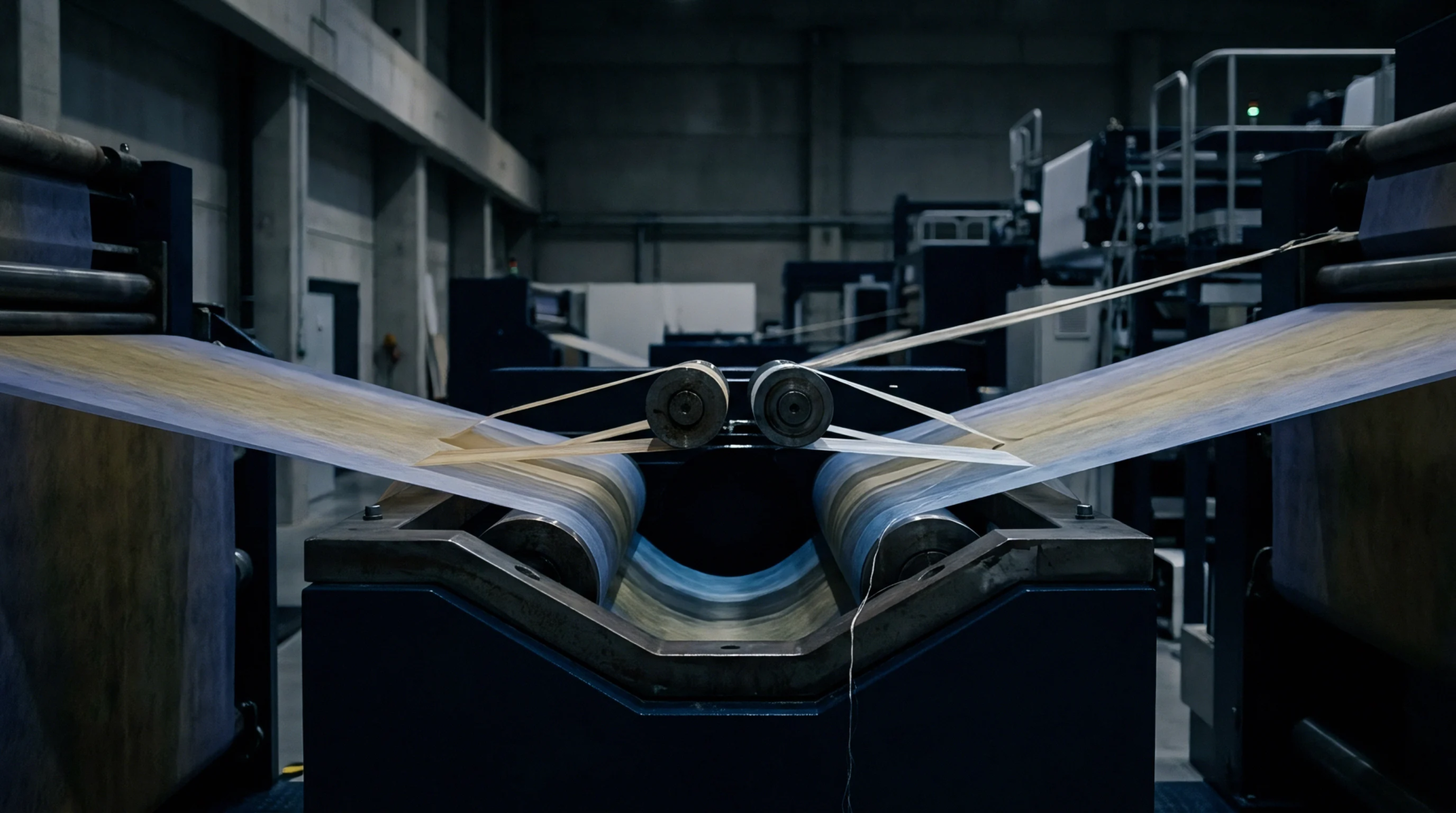
Supply Node
Processing facilities that colour and finish fabrics for garment manufacturers represent a critical middle stage in the textile supply chain. A tier two dyehouse receives greige goods from a spinning or weaving mill and prepares them for the final cutting and sewing stage.
Operational Scope
Activities at this site include scouring, dyeing, printing and the application of chemical finishes like softeners or flame retardants. The energy footprint of a tier two dyehouse is often higher than that of the cut and sew factory. These processes consume large volumes of water and energy, making the facility a primary focus for environmental audits.
Quality Control
Colour matching and colourfastness testing happen at this level before the bulk fabric moves to the garment factory. Consistent output from the tier two dyehouse is verified through lab dips. Brands often nominate these facilities to ensure consistency across different products and regions.
Visibility Challenge
Traceability often becomes difficult at this layer because the brand has no direct commercial contract with the facility manager. Achieving full visibility into the tier two dyehouse remains a priority for sustainable sourcing. Modern mapping initiatives aim to identify these sites to manage chemical risks and labor standards, providing a clearer view of the total environmental impact of a finished garment from the raw fibre stage to the retail shelf.