Rapid Analysis
Chemical test method measures total chlorine and fluorine content in textile materials to screen for organohalogen compounds. Total halogen screening provides a rapid, cost-effective method for detecting banned flame retardants and water-repellent fluorocarbons. Brands use this aggregate test to screen raw materials before ordering expensive compound-specific laboratory testing.
Analytical Technique
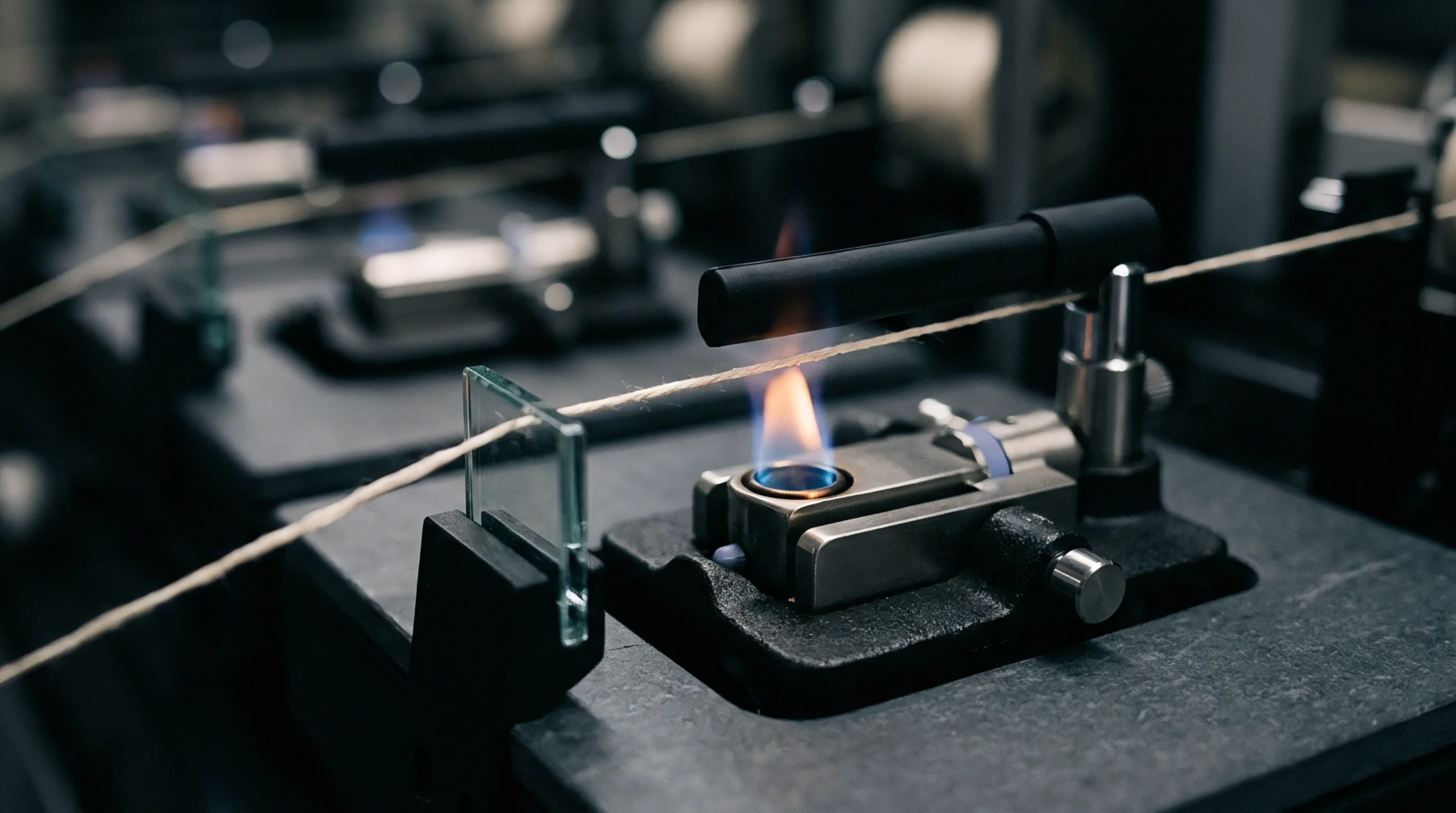
Combustion ion chromatography incinerates fabric samples at high temperatures, trapping released halogen gases in absorption solutions. Ion chromatographs measure halide ion concentrations, reporting total fluorine and chlorine content in milligrams per kilogram. High fluorine levels indicate the presence of perfluorinated water-repellent finishes, while elevated chlorine suggests residual bleaching agents or flame retardants.
Samples exceeding total halogen threshold limits undergo secondary testing by gas chromatography mass spectrometry to identify specific restricted molecules. Screening protocols accelerate compliance verification for complex synthetic fabric blends.
Testing Scope
Total halogen measurements detect both organic and inorganic halogen sources indiscriminately. Inorganic salt residues from dye baths can elevate chlorine readings, requiring sample washing steps before combustion analysis.
Compliance Value
Screening protocols reduce chemical compliance testing costs across large fabric collections. Rapid testing turnaround times prevent production delays during raw material clearance. Total halogen screening guides chemical risk assessment in sustainable textile supply chains.