Fabric Architecture
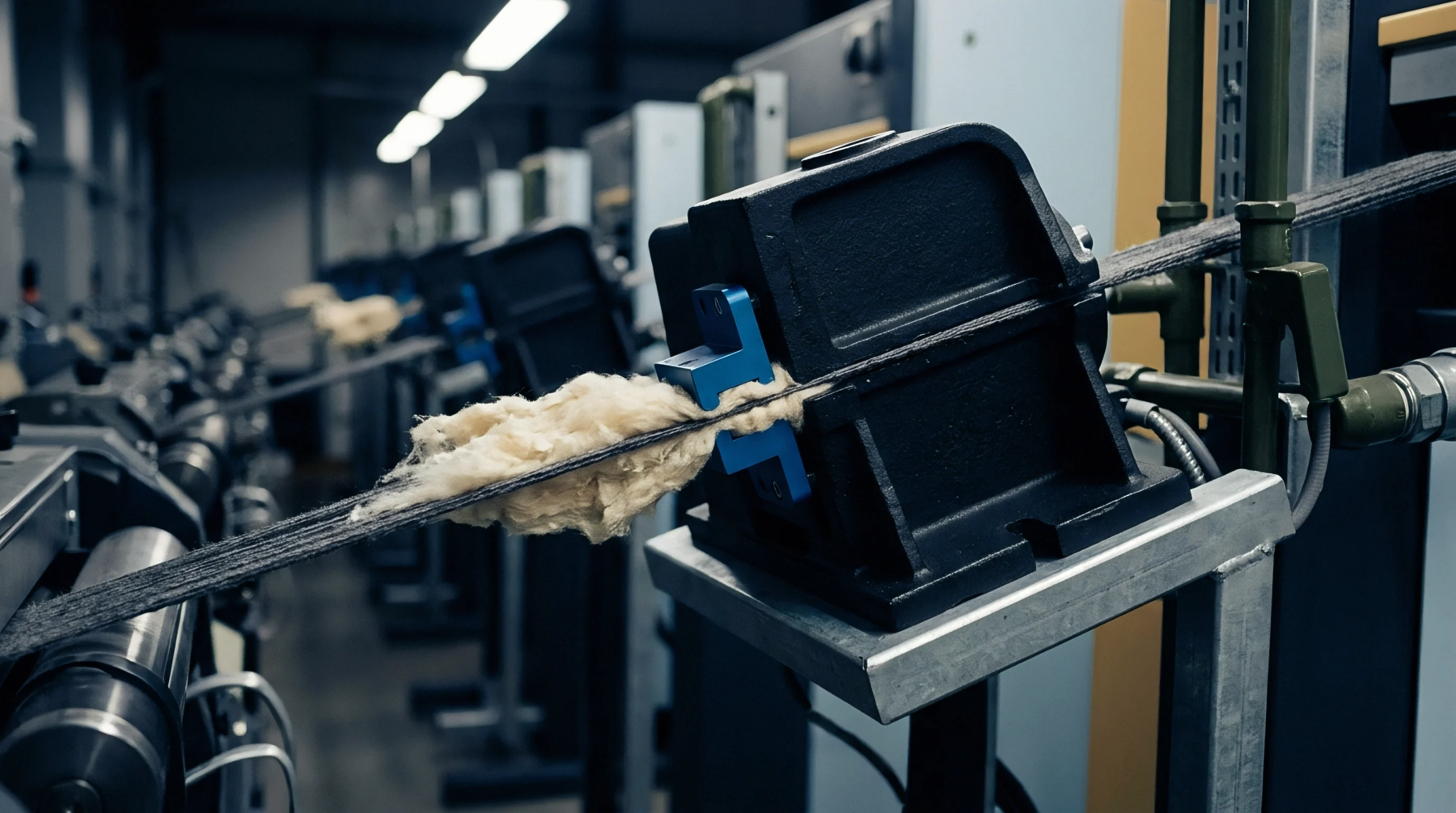
Industrial knitting methods produce fine stable fabrics characterized by distinct vertical ribs on the face and horizontal ribs on the back using multiple needle bars. A standard tricot knit is created on a warp knitting machine where each needle is supplied by its own separate yarn strand. Unlike raschel varieties, these machines run at very high frequencies to produce large quantities of thin material commonly used for underwear and sport linings.
The interlocking structure prevents the fabric from running when a stitch is broken, which is a significant advantage over weft knitted items. This stability allows designers to cut patterns in any direction without fear of the fabric losing its structural integrity. Softness and flexibility make it a standard choice for items that stay in direct contact with skin for long durations.
Surface Uniformity
Appearance inside this textile category is defined by the regular spacing of the wales and courses that give the material its smooth feel. In a tricot knit, the movement of the threads is restricted to adjacent needles which results in a fine close knit texture. Adding high amounts of synthetic elastane during the process creates the four way stretch required for competitive swimwear and high performance shapewear.
The back of the fabric has a specific grain that helps distinguish it from more decorative raschel fabrics which usually have thicker textures. Mills control the tension across thousands of ends to ensure that no stripes or shadows appear in the finished cloth after the dyeing step. Uniform signals from the winder prevent uneven edges on the roll which is useful for efficient transport and storage.
Finishing Stability
Heat setting at the conclusion of the process ensures that the fabric retains its dimensions and does not shrink excessively during final washing. Because a tricot knit can be very prone to rolling if the edges are not properly treated, many mills apply a small amount of stiffener to the selvedge. This keeps the material flat for high speed cutting machines in the garment factory.
Once set, the fabric behaves predictably under steam and iron cycles which allows for sharp creases in pleated athletic skirts. Dyers prefer this material because it offers a flat clear face that takes color evenly without the shadows created by deeper textures. Reliable heat treatment is necessary to preserve the soft drape that is typical of high quality warp knits.
Commercial Scale
Manufacturers deploy these high speed warp looms in massive banks to service the global market for lightweight technical textiles. The cost efficiency of producing a tricot knit relies on the volume of output, as the initial set up of the machine beams takes several days. Large orders for standard items like pocket linings or basic athletic jerseys fill these machines for weeks at a time.
Quality control looks for vertical lines known as needle marks which suggest a single guide bar is slightly out of position. Correcting these minor errors at the start ensures that the output remains within commercial grade specifications. Successful production results in a textile that bridges the gap between structured woven cloth and stretchy circular knits.