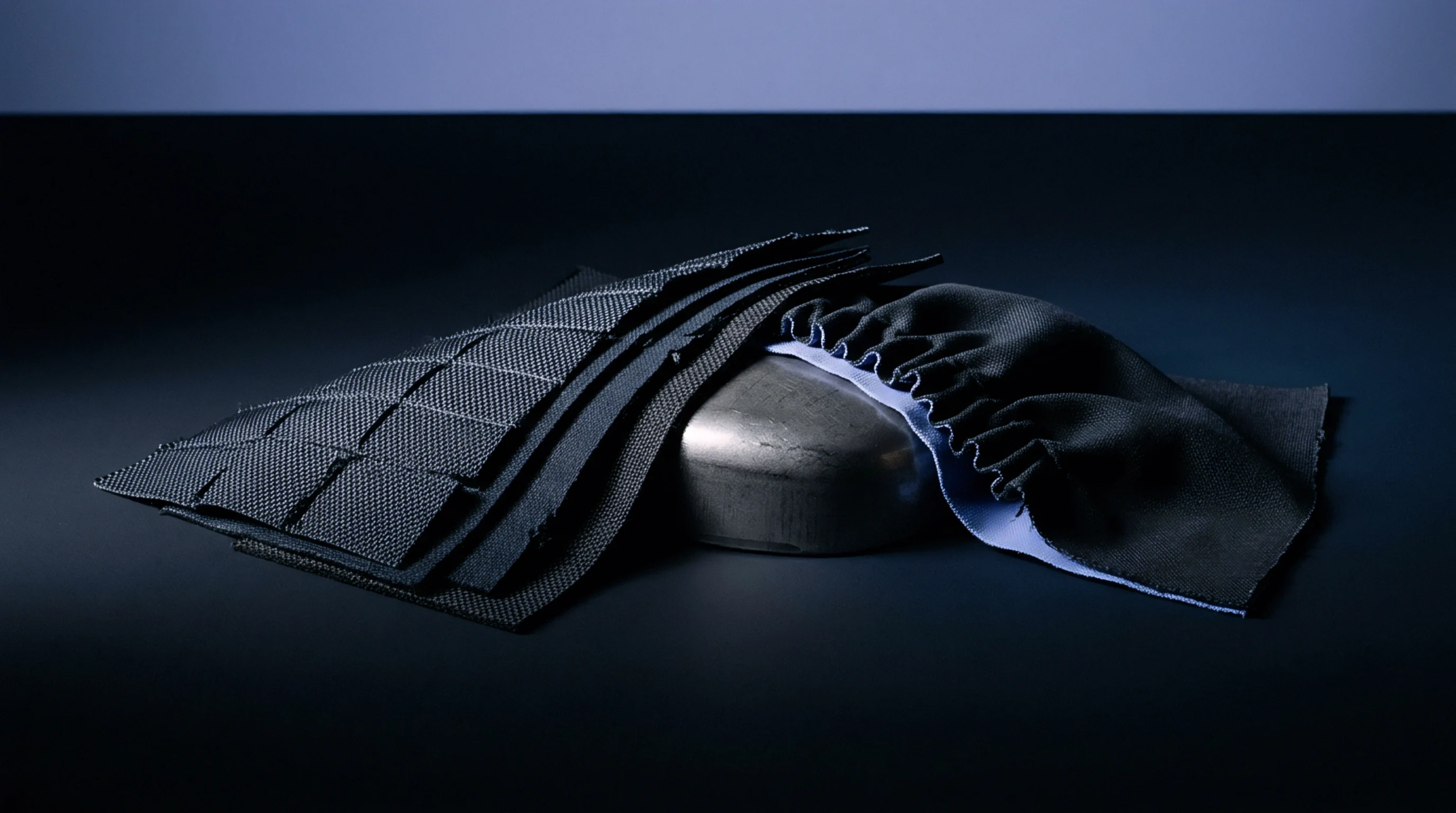
Diagonal Construction
A structural arrangement of yarn intersections defines a twill weave through a sequence of floats that skip over two or more warp or weft yarns. This progression shifts the interlacing point by one position on each successive row, which produces a visible characteristic ridge known as a wale. Designers select this orientation for its distinct aesthetic finish and mechanical flexibility compared to plain structures.
Fabric density and yarn size influence the prominence of these angled lines, as thicker yarns or higher float lengths increase the depth of the pattern. Mills verify the construction at the loom by checking the repeat pattern against technical specifications for the required diagonal inclination.
Production Mechanism
Yarn displacement creates the characteristic diagonal effect by offsetting the interlacing points across a fixed grid. A basic harness setup lifts specific warp ends in a staggered sequence to allow the weft to cross under defined groups. This systematic offset prevents the pattern from locking in a straight line across the surface, which imparts drape and softness to the final cloth.
Mechanical strain stays lower during the creation of these structures than in tighter, balanced designs, because the floats allow yarns to shift when under tension.
Commercial Application
Heavy duty apparel and upholstery often utilize this method for improved durability and abrasion resistance. High float lengths provide a smooth surface for printing, while the inherent shear resistance protects the internal fibre structure from surface wear. Garment factories test the stability of these diagonal ridges during wash cycles to ensure the pattern does not distort under standard agitation.
Soft goods manufacturers prioritize this design when the end product requires significant mechanical stretch and recovery.
Standard Verification
Quality control protocols assess the accuracy of the diagonal alignment through microscopic inspection of the pick count and interlacing sequence. Technicians measure the angle of the wale relative to the selvedge to confirm that the loom timing produces a consistent result across the entire width of the bolt. Deviations in the progression sequence lead to visible defects such as broken lines or uneven surface texture.
Precise control over the interlacing frequency remains the primary factor for achieving uniform fabric performance across bulk production runs.