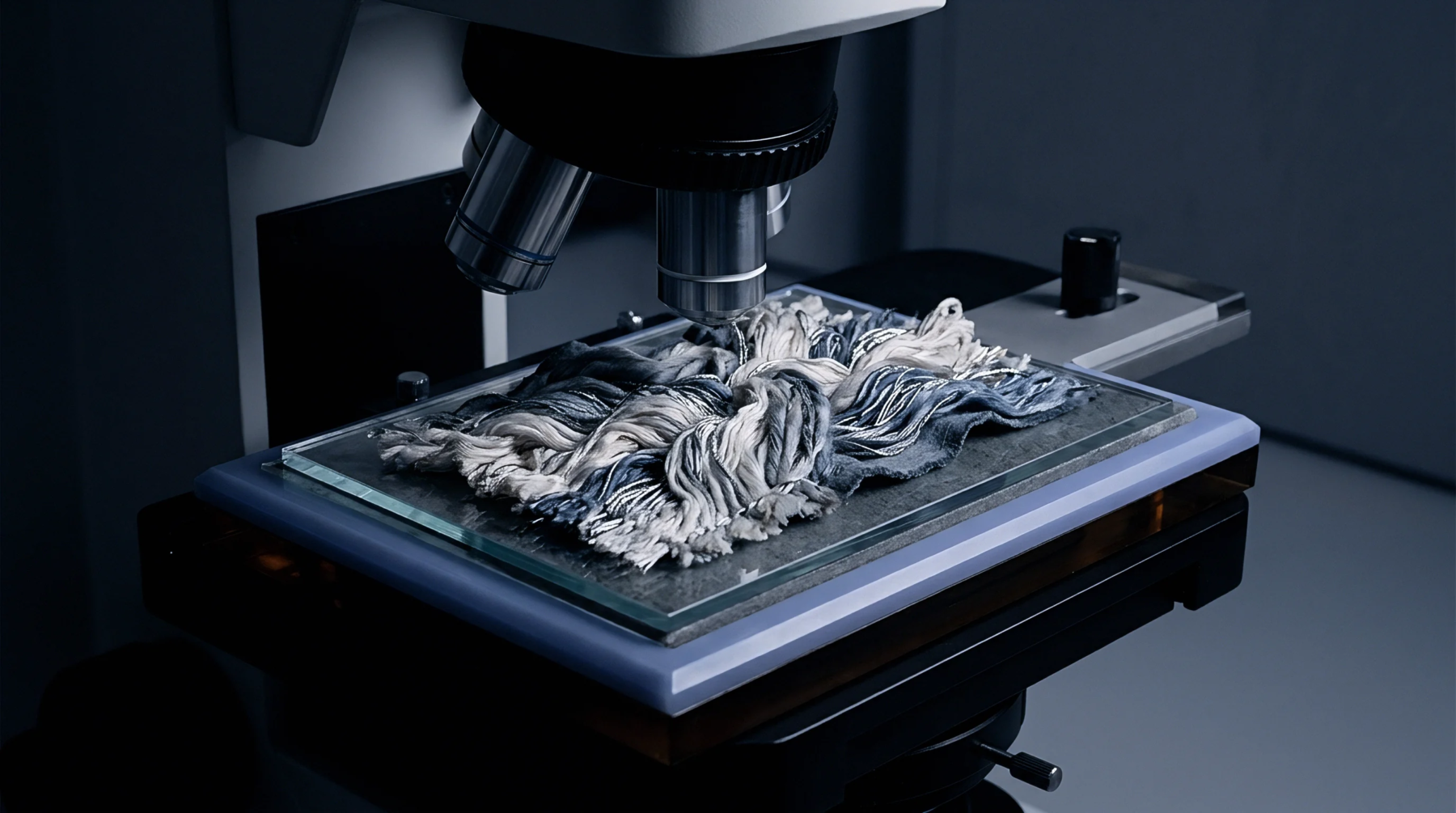
Energy Input
Photon absorption within specific chemical bonds triggers the release of secondary energy. In the context of textile testing, ultraviolet excitation is used to reveal the presence of optical brighteners.
Identification Purpose
The reaction of certain molecules to UV light makes them glow, providing a clear map of their distribution across the cloth. Many mills use ultraviolet excitation to find oil stains or synthetic contaminants that would otherwise go unnoticed until the dyeing stage. Identifying these issues early in the production cycle prevents the waste of expensive dyes and chemicals on defective base material.
Laboratory Standard
Testing protocols often specify the use of a standard D65 light source with a controlled UV component to assess color constancy. While ultraviolet excitation is highly effective for spotting fluorescent agents, the intensity of the lamp must be calibrated to avoid damaging the delicate fibres through photo-degradation. Controlled exposure ensures that the results are repeatable across different laboratories and inspection sites.
This calibration is performed using a certified reference tile.
Material Assessment
Specific fibers like polyester often exhibit a natural response to this energy, while natural fibres like cotton may require chemical additives to react. Using ultraviolet excitation as part of a regular quality audit helps maintain the aesthetic consistency of white and neon-colored garments. This technique is a standard tool for verifying the performance of UV-protective finishes in technical textiles.