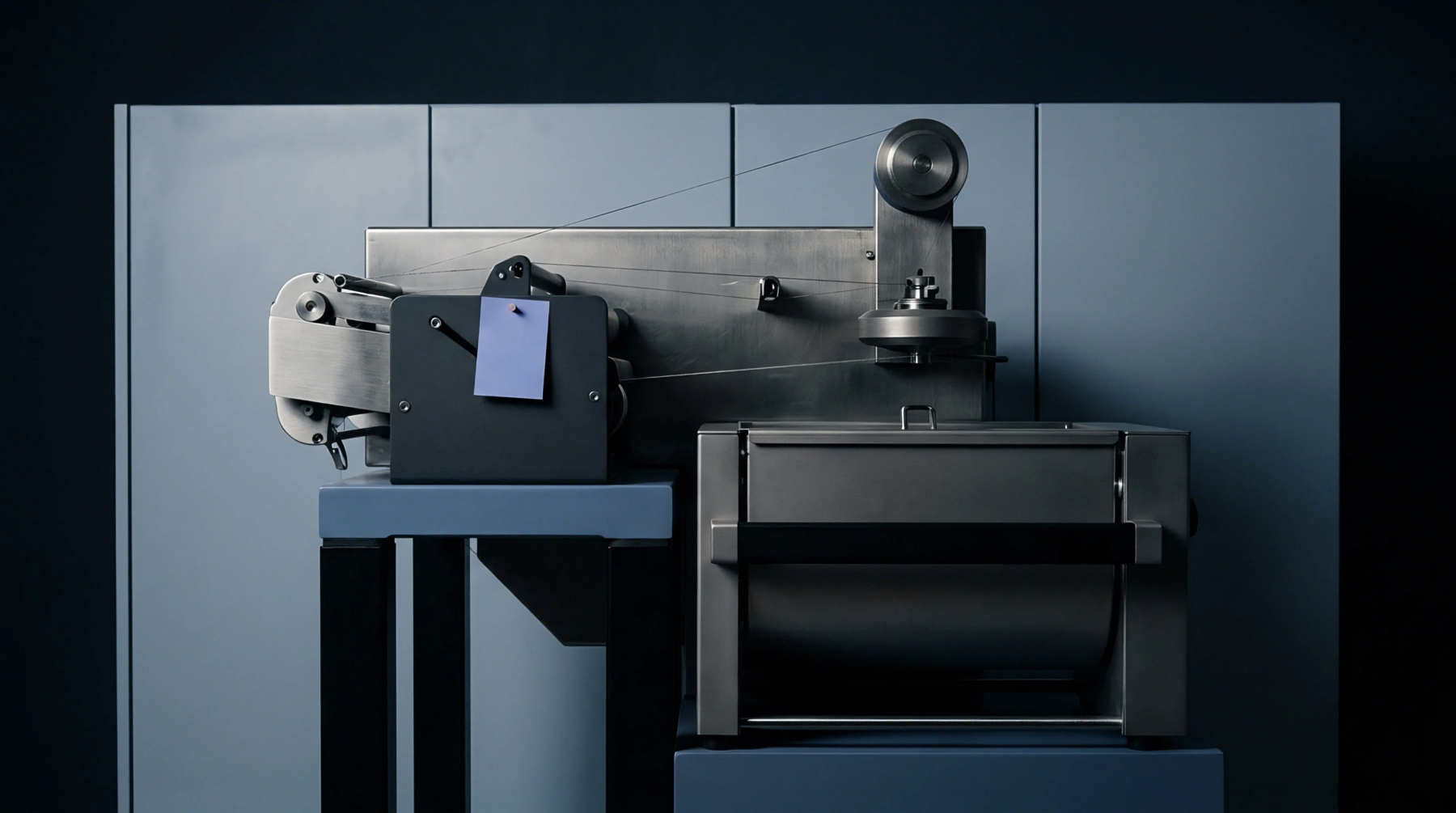
Particle Separation
Liquid separation techniques apply a pressure differential to draw mixtures through a porous barrier to collect solid particulates. In fiber analysis, vacuum filtration accelerates the separation of dissolved fibers from insoluble residues, allowing rapid weighing of the remaining material. This method is standard in laboratories testing the fiber blend percentages of fabrics.
Apparatus Set
The setup requires a Buchner funnel, a thick-walled flask, a collection tube, and a vacuum pump to draw the liquid through the filter paper. The pressure drop created by the pump forces the liquid through the filter much faster than gravity alone could achieve. This speed is essential when analyzing multiple samples in a commercial textile laboratory.
Fiber Recovery
Technicians wash the collected fibers with water or solvent to remove any remaining chemical residue that could alter the dry weight. The filter paper holding the recovered fiber is then transferred to a drying oven to remove all moisture. The weight of the dry paper is subtracted from the total to yield the fiber mass.
System Efficiency
Using this rapid separation method prevents fine fiber particles from clogging the filter pores, which often happens during slower gravity-fed filtration processes. This efficiency ensures that the chemical composition testing of polyester-cotton or nylon-wool blends is completed within the required turnaround time. It also reduces the likelihood of sample loss during handling, resulting in more accurate and repeatable test data for the quality control team.
The reliability of this process makes it indispensable for bulk textile manufacturing checkpoints.