Twisted Yarn Construction
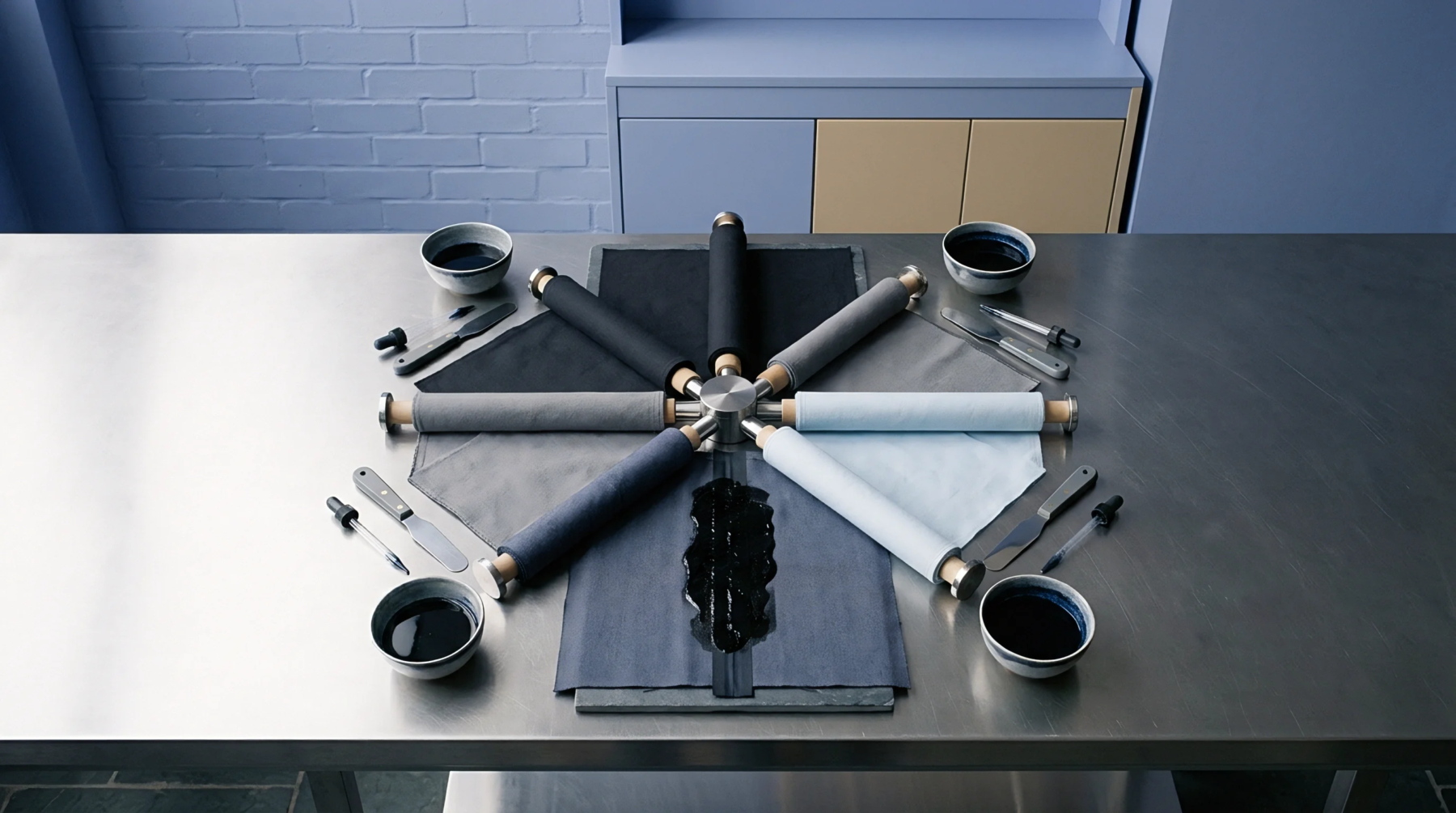
High-twist filament arrangement defines this yarn engineering, where multiple strands of regenerated cellulose are coiled beyond equilibrium to produce a granular hand. Viscose crepe ply achieves its structural characteristic by twisting two or more individual yarns in opposite directions, usually pairing an S-twist with a Z-twist, which forces the finished fabric to buckle and crinkle upon release from tension. This internal torque dictates the surface texture of finished textiles by creating tension imbalances that prevent the fibres from lying flat.
Production Processing
Machinery settings during the throwing stage determine the final performance of the material by controlling the turns per inch applied to each component strand. Mills calibrate the rotational speed of the spindle against the linear delivery rate of the yarn to ensure the desired level of energy remains locked within the ply. Excessive twisting leads to premature snapping, while insufficient tension fails to induce the characteristic pebble effect after the fabric undergoes wet finishing.
Technical Verification
Quality control departments measure the residual torque of the yarn by assessing the tendency of a relaxed sample to coil back onto itself under standardized atmospheric conditions. Technicians perform these evaluations on the ply before it enters the warping process to predict how the weave will behave once the sizing agents dissolve in the dyebath. Accuracy in this measurement provides a forecast for the amount of shrinkage the fabric will exhibit during garment construction.
Market Application
Luxury apparel manufacturers utilize this yarn structure to provide a naturally irregular surface finish that avoids the need for chemical embossing or synthetic coating. Retailers specify the density of the ply to influence the drape and weight of the end product, as the interlocked filaments create a stiff but fluid garment. Higher ply counts generally increase the cost of production due to the additional time required for twisting and the necessity of handling high-tenacity filament feedstock.
The inherent instability of the twisted fibres provides the aesthetic longevity of the crepe effect throughout the life of the garment.