Thermal Expansion
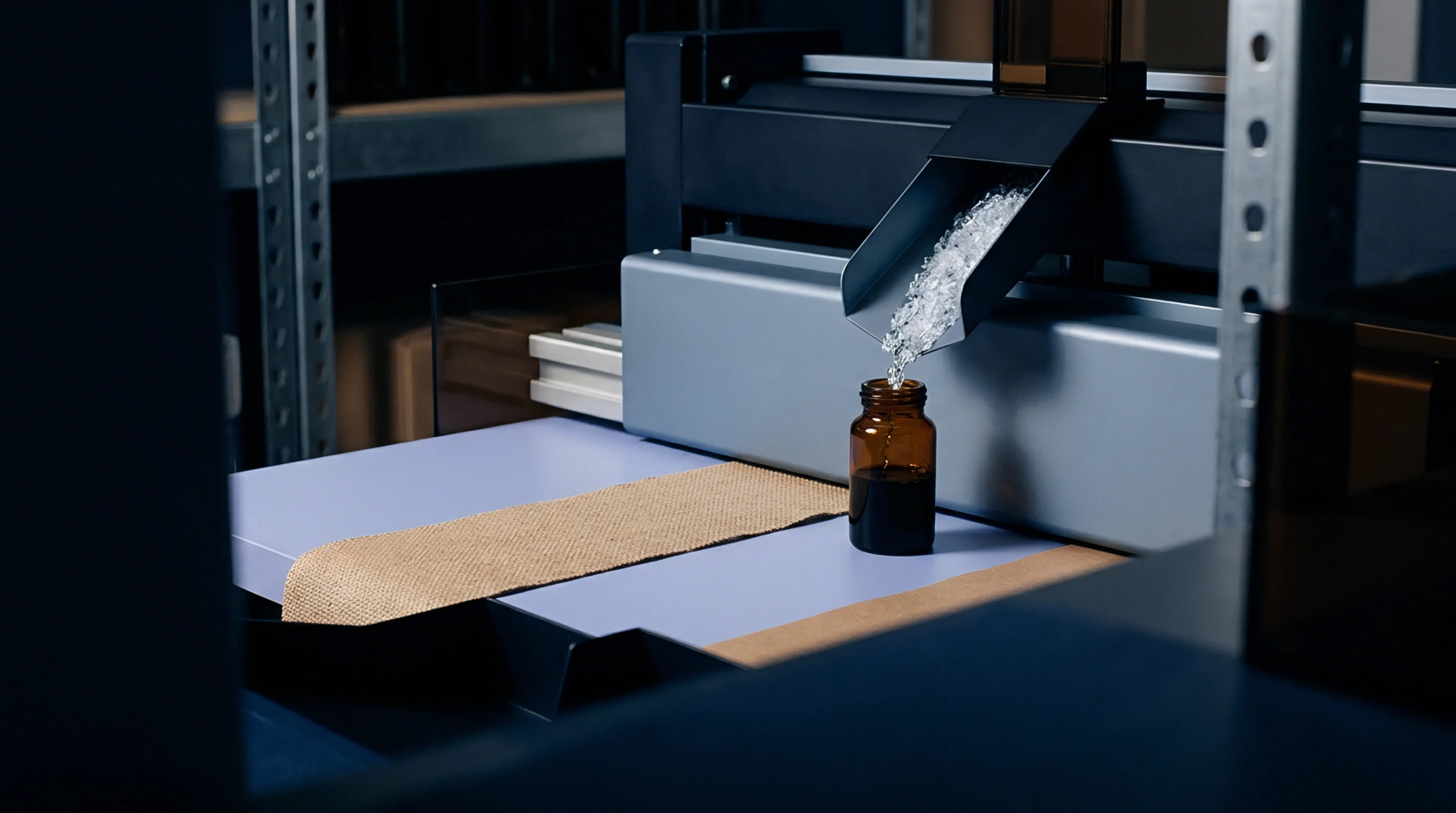
Thermal energy inputs increase liquid volume and decrease fluid mass density in textile processing solutions. Industrial volumetric thermal expansion alters the physical space occupied by concentrated chemical liquor without changing the total dissolved solute mass. Chemical engineers account for volume changes to ensure accurate liquid transfer and mass balance calculations in continuous finishing ranges.
Physical Expansion
Increasing fluid temperature accelerates molecular kinetic motion, pushing liquid molecules further apart and expanding bulk volume. Concentrated sodium hydroxide solutions experience marked volumetric thermal expansion during heating cycles in preparation ranges. When caustic liquor heats from twenty degrees to sixty degrees Celsius, bulk volume expands while mass per unit volume decreases proportionately.
Volumetric metering pumps delivering liquid by fluid volume rather than mass deliver fewer chemical molecules at elevated temperatures. Process control systems calculate thermal volumetric expansion rates to adjust pump stroke lengths or speeds, preserving constant mass delivery across varying process temperatures.
Process Deviation
Uncompensated thermal expansion distorts volumetric liquid dosing and density-based concentration measurements during mill operations. Volumetric thermal expansion causes concentration underestimates when reading unadjusted hydrometers or volumetric flow meters in hot liquid lines. Uncorrected volumetric additions result in diluted chemical baths, causing insufficient scouring action and incomplete wax removal from raw cotton.
Compensating for fluid expansion stabilizes chemical pickup across temperature shifts.
Physical Boundary
Calculated volume changes cease to follow linear expansion curves under extreme temperature or concentration conditions. Volumetric thermal expansion calculations require specific cubic expansion coefficients for each chemical concentration grade. Evaporative steam losses in open chemical troughs alter fluid volume independently of thermal expansion, distorting mass balance equations.
Enclosed circulation systems with pressure controls mitigate non-thermal volume changes.