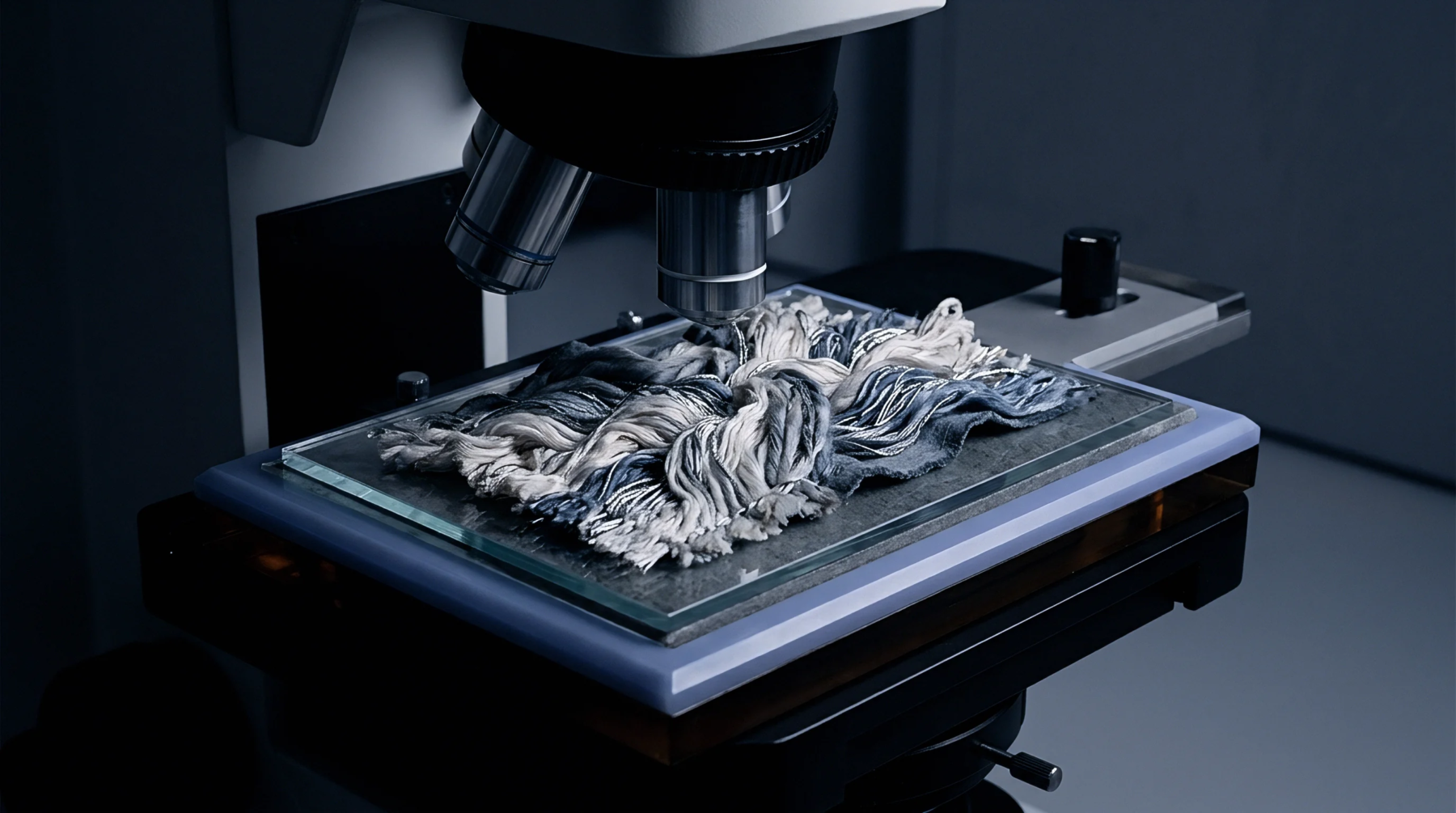
Filament Bulking
Continuous synthetic filaments are modified to gain volume and stretch. The process of yarn texturing involves twisting, heating, cooling and then untwisting the material to create a permanent physical crimp. This transformation changes the smooth, lustrous surface of raw polyester or nylon into a more opaque and matte appearance.
False Twist Method
Most modern production uses the false-twist technique where the yarn is twisted at high speeds while passing through a heater. During yarn texturing, the memory of the deformed shape is locked into the filaments as they cool. This creates the elasticity and bulk that make the yarn suitable for hosiery and sportswear.
The friction units used to insert the twist must be carefully maintained to ensure consistency.
Product Varieties
Different settings on the machine produce either high-stretch yarns or set yarns with low residual torque. Automated yarn texturing combines the drawing of the fibre to improve strength with the crimping process in a single step. The choice of method determines the final density and breathability of the knitted or woven fabric.
Quality Control
Regular testing for crimp contraction and hot air shrinkage ensures the yarn will behave predictably during fabric manufacturing. Consistent yarn texturing is verified through laboratory analysis of bulk and stretch.